
-
Dogs Tough Chew Foam - Treat Triangle
Vendor:RUFF PlayRegular price $7.50 AUDRegular price$10.50 AUDSale price $7.50 AUDSale -
Dogs Tough Foam - Treat Dispensing Cube
Vendor:RUFF PlayRegular price $7.50 AUDRegular price$10.50 AUDSale price $7.50 AUDSale -
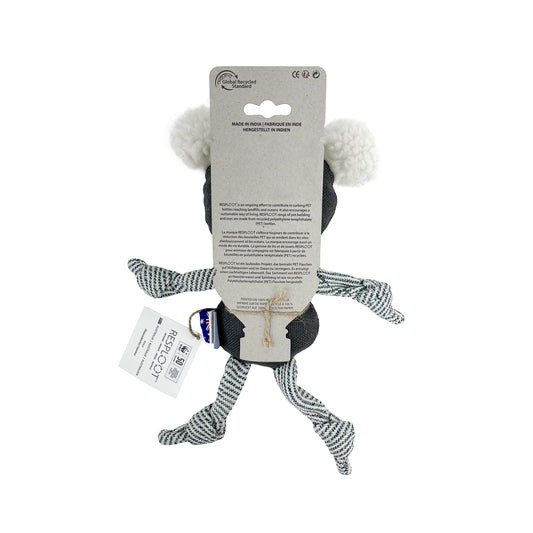
Resploot – Koala Dog Toy
Vendor:ResplootRegular price $13.00 AUDRegular price$15.75 AUDSale price $13.00 AUDSale -

 Sale
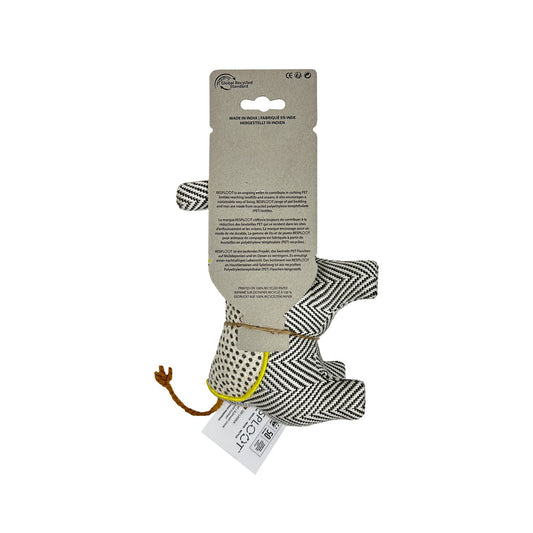
SaleResploot – Elephant
Vendor:ResplootRegular price $13.00 AUDRegular price$15.75 AUDSale price $13.00 AUDSale -
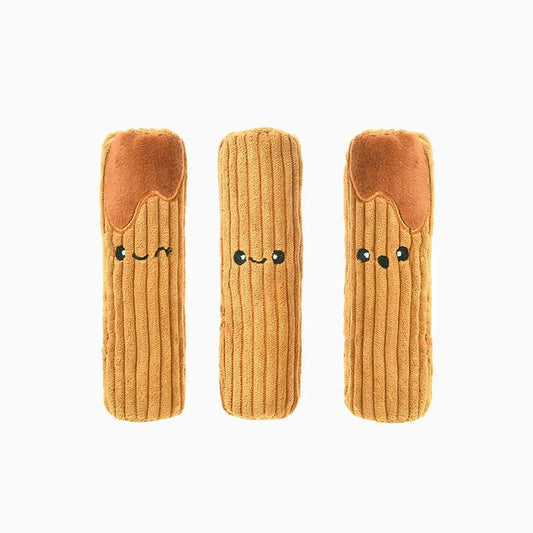
Hugsmart Food Party Churros Dog Toy Set
Vendor:HugsmartRegular price $14.79 AUDRegular price$19.69 AUDSale price $14.79 AUDSale -
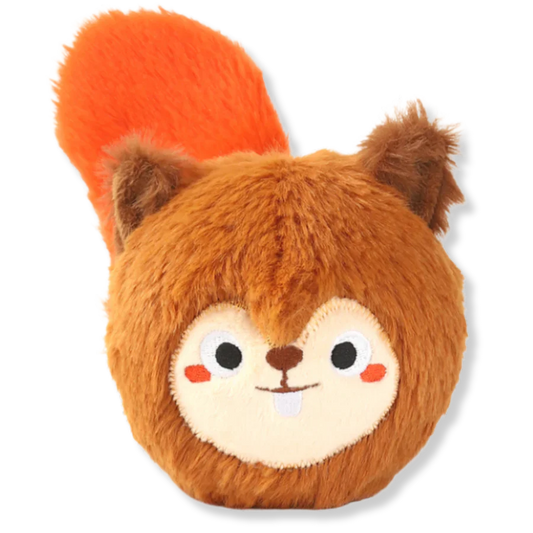
Hugsmart – Zoo Ball – Super Ball Squirrel
Vendor:HugsmartRegular price $11.03 AUDRegular price$15.75 AUDSale price $11.03 AUDSale -
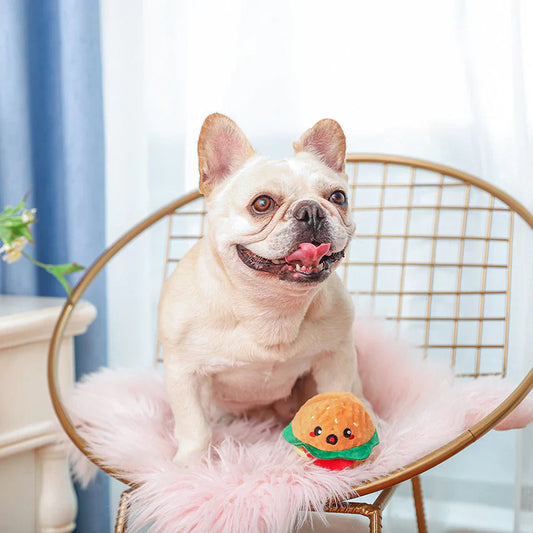
Hugsmart – Food Party – Super Ball Hamburger
Vendor:HugsmartRegular price $11.03 AUDRegular price$15.75 AUDSale price $11.03 AUDSale -
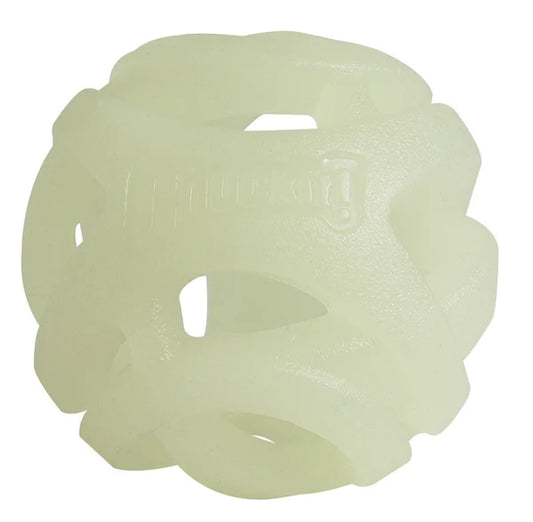
Chuckit! – Max Glow Air Fetch
Vendor:Chuckit!Regular price $20.21 AUDRegular price$28.88 AUDSale price $20.21 AUDSale -
 Sold out
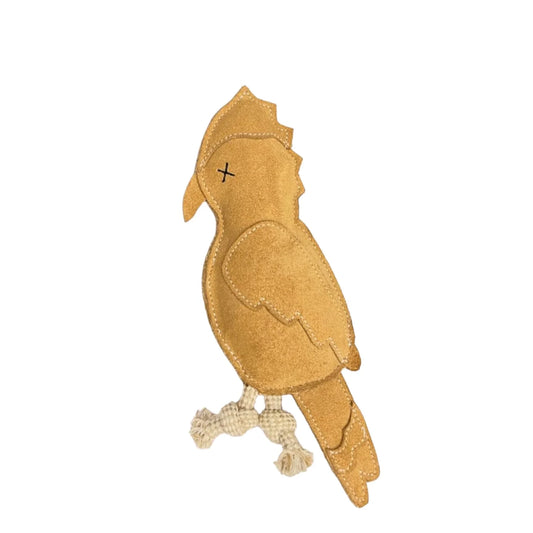
Georgie Paws – Rick the Rosella
Vendor:Georgie PawsRegular price $20.21 AUDRegular price$28.88 AUDSale price $20.21 AUDSold out -
Georgie Paws – Flora Bone Toy
Vendor:Georgie PawsRegular price $20.21 AUDRegular price$28.88 AUDSale price $20.21 AUDSale -
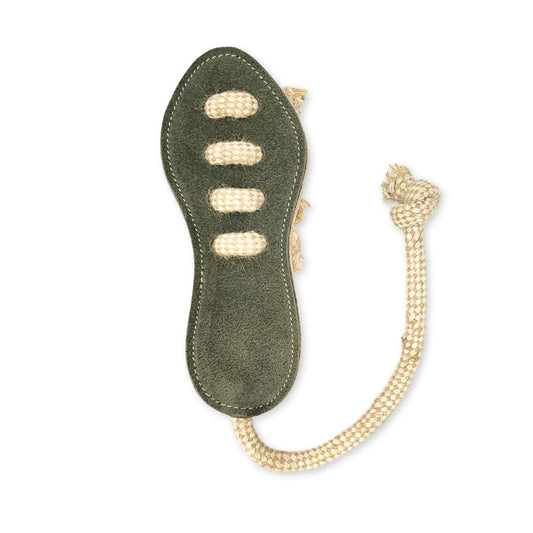
Georgie Paws – Footy Boot
Vendor:Georgie PawsRegular price From $18.38 AUDRegular price$26.25 AUDSale price From $18.38 AUDSale -
Georgie Paws – Gav the Galah
Vendor:Georgie PawsRegular price $20.21 AUDRegular price$28.88 AUDSale price $20.21 AUDSale -
Georgie Paws – Gerti the Grub
Vendor:Georgie PawsRegular price $20.21 AUDRegular price$28.88 AUDSale price $20.21 AUDSale -
Dog Toy – Xtreme Dumbbell
Vendor:ScreamRegular price From $9.19 AUDRegular price$13.13 AUDSale price From $9.19 AUDSale -
Outward Hound – Invincibles Mini
Vendor:Outward HoundRegular price $9.19 AUDRegular price$13.13 AUDSale price $9.19 AUDSale -
GiGwi – Duraspikes – Rabbit
Vendor:GiGwiRegular price $22.05 AUDRegular price$31.50 AUDSale price $22.05 AUDSale -
GiGwi – Johnny Stick – Squeaker
Vendor:GiGwiRegular price $9.19 AUDRegular price$13.13 AUDSale price $9.19 AUDSale -
GiGwi – Johnny Stick – Extra Durable
Vendor:GiGwiRegular price $16.54 AUDRegular price$23.63 AUDSale price $16.54 AUDSale -
GiGwi – Duraspikes – Dino T-Rex
Vendor:GiGwiRegular price $23.89 AUDRegular price$34.13 AUDSale price $23.89 AUDSale -
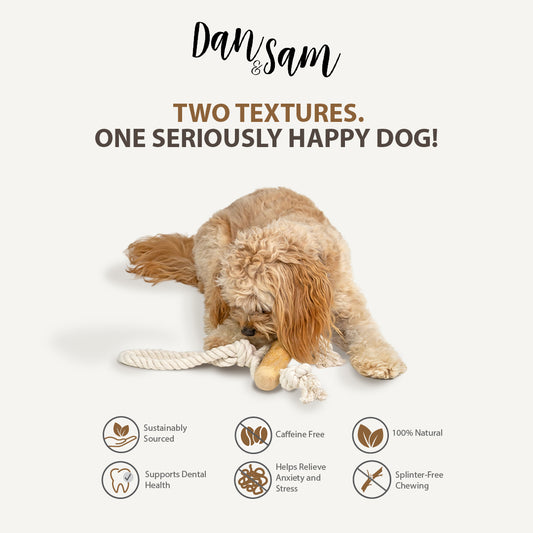
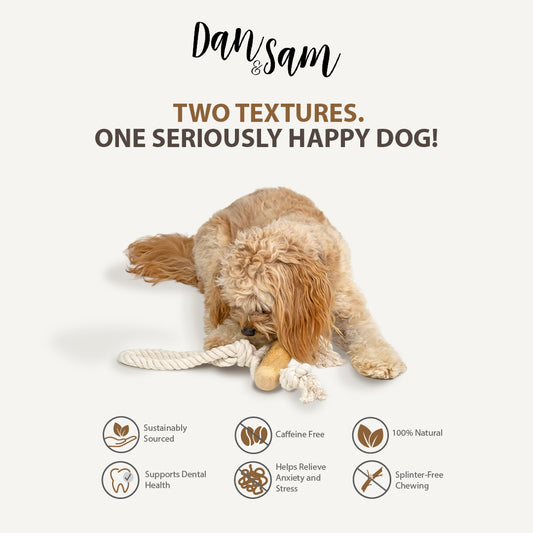
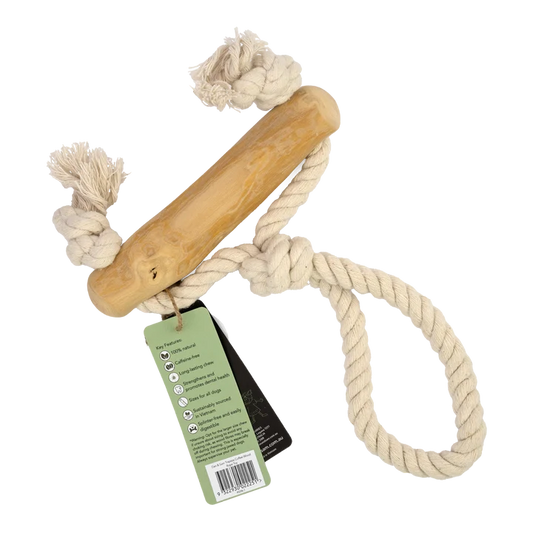
Dan & Sam – Tugging Stick – Coffee Wood Rope Toy
Vendor:Dan & SamRegular price $11.39 AUDRegular price -
Dan & Sam – Pull and Tug – Coffee Wood Rope Toy
Vendor:Dan & SamRegular price $11.39 AUDRegular price -
Dan & Sam – Trapeze – Coffee Wood Rope Toy
Vendor:Dan & SamRegular price $15.08 AUDRegular price -
Hugsmart - Ocean Pals - Whale
Vendor:HugsmartRegular price $11.15 AUDRegular price -
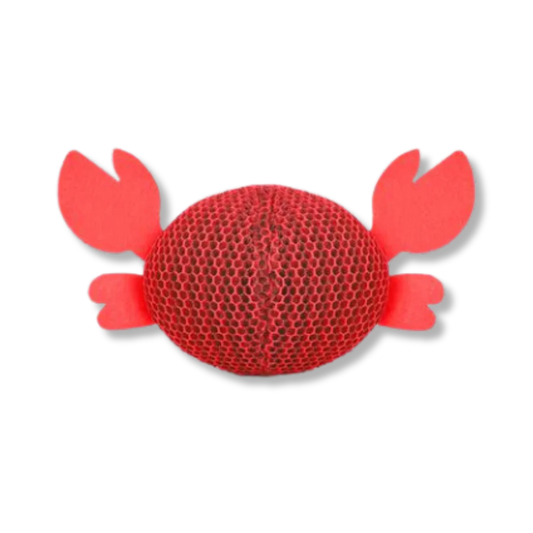
Hugsmart - Ocean Pals - Super Ball Crab
Vendor:HugsmartRegular price $9.18 AUDRegular price











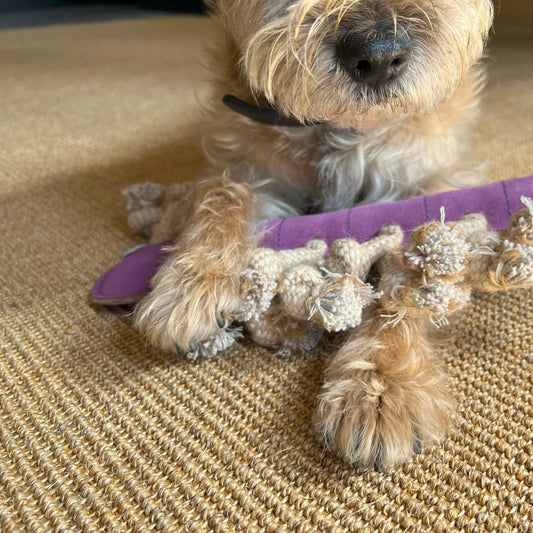


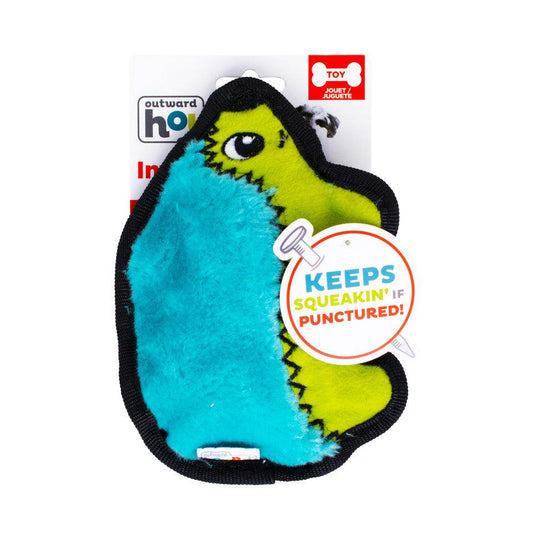

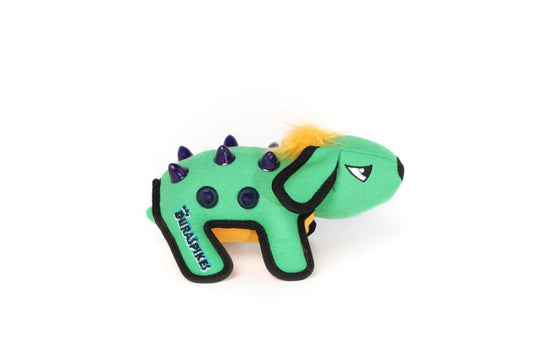

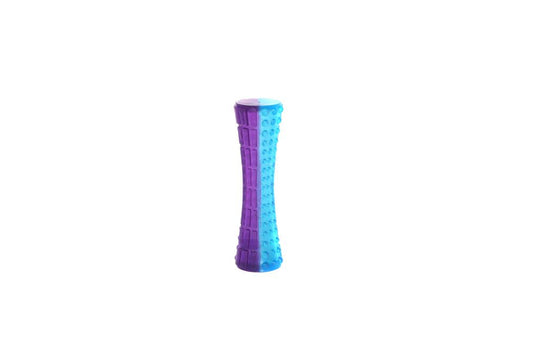

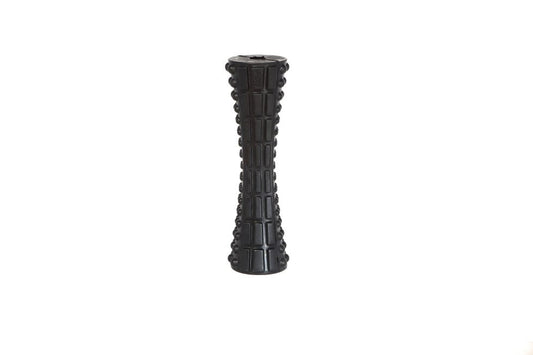

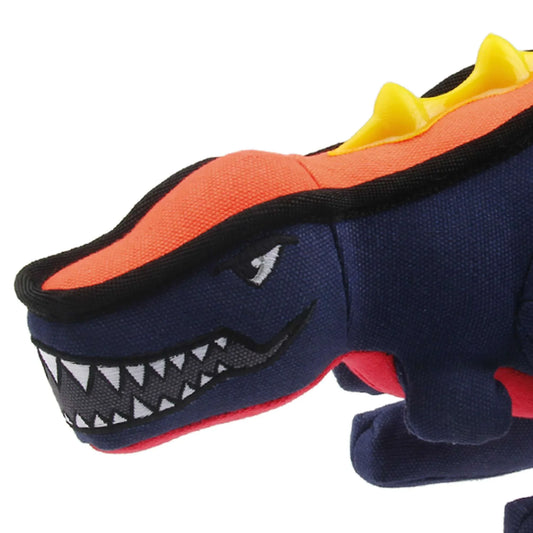





Chew toys for dogs from Benebone, KONG, GiGwi, RUFF Play, Nerf Dog, Petstages, Starmark and more. Over 110 options for puppies through to adult power chewers, delivered anywhere in Australia with full tracking.
Chewing Is a Need, Not a Bad Habit
Dogs chew because chewing is how they investigate the world and how they settle themselves. It releases tension, occupies the jaw, and for puppies it relieves the genuine discomfort of teething. A dog that is told off for chewing but never given something legal to chew does not stop chewing. It just chews when you are not looking, and usually chooses something expensive.
So the useful question is never how to stop the chewing. It is what you would rather they chewed.
The Hardness Rule That Prevents Fractured Teeth
This is the part of chew toy buying that goes wrong most often, and it goes wrong because the instinct is exactly backwards. An owner whose dog destroys everything reaches for the hardest thing available, and the hardest things on the market routinely break teeth.
Veterinary guidance is straightforward: do not give a dog anything harder than its own teeth. Three tests you can run in ten seconds:
- Thumbnail test. Press the toy with your thumbnail. No give at all means too hard.
- Knee cap rule. Tap it against your kneecap. If it hurts you, it is too hard or too heavy for your dog.
- Hammer rule. If you could not drive a nail through it, your dog should not be chewing it.
Antlers, hooves, and hard sterilised bones all fail these tests, which is why they show up so often in veterinary dental case notes. A slab fracture of a carnassial tooth means an anaesthetic and an extraction, and it is usually caused by a chew the owner chose because it lasted.
Solid rubber and natural nylon designed for chewing sit in the right zone: tough enough to survive real work, forgiving enough to flex under a tooth.
Matching the Chew to the Dog
Puppies need softer material. Teething puppies have baby teeth that come out anyway, and a hard chew during this stage can damage the adult teeth underneath. Look for toys made specifically for puppies rather than a downsized adult toy.
Gentle and moderate chewers can use most of the range, including textured rubber, rope and treat dispensing toys.
Power chewers need the durable range, built from solid rubber or natural nylon and sized up rather than down.
Size matters as much as material. The toy should be too large to fit entirely in the mouth. Between two sizes, take the larger one.
Dental Benefits, Honestly
Chewing does mechanically help clean teeth and it stimulates saliva, and a textured chew toy contributes to oral health. It is not a substitute for brushing or for a veterinary dental, and no toy reverses established dental disease. Treat it as useful support rather than a treatment.
When to Take It Away
Supervise any new chew toy until you have seen how your dog works on it. Retire it when chunks go missing, when a squeaker is exposed, when rope strands are being pulled out and swallowed, or if you ever see blood on the toy. A chew that has started coming apart is a blockage risk, and the pieces are the problem, not the chewing.
Browse the full toy range or compare with interactive and treat dispensing toys if your dog needs occupying rather than a jaw workout.
Frequently Asked Questions
Are antlers and bones safe for dogs to chew?
They are among the most common causes of fractured teeth. Both fail the standard hardness tests: they do not give under a thumbnail and they hurt if you tap them on your knee. Veterinary advice is to avoid anything harder than your dog's teeth. Solid rubber and natural nylon chews give you durability without that risk.
What can I give a teething puppy?
Something softer than an adult chew toy, made specifically for puppies. Teething is genuinely uncomfortable and puppies need an outlet, but hard chews at this stage can damage the developing adult teeth under the gum. Chilling a puppy-safe chew adds relief.
Do chew toys clean my dog's teeth?
Chewing helps mechanically remove some plaque and stimulates saliva, so a textured chew toy supports oral health. It does not replace brushing or a professional dental clean, and nothing reverses existing dental disease. Think of it as helping, not fixing.
How long should a chew toy last?
That depends entirely on the dog, and a toy lasting forever is not the goal. The goal is that it wears down rather than breaks apart. Replace any chew once it starts shedding pieces large enough to swallow.
My dog swallowed part of a chew toy. What should I do?
Contact your vet, and do it sooner rather than waiting to see what happens. Swallowed toy fragments can cause an intestinal blockage, which is an emergency. Take the remaining piece of the toy with you so the vet can see what and how much is missing.