
-
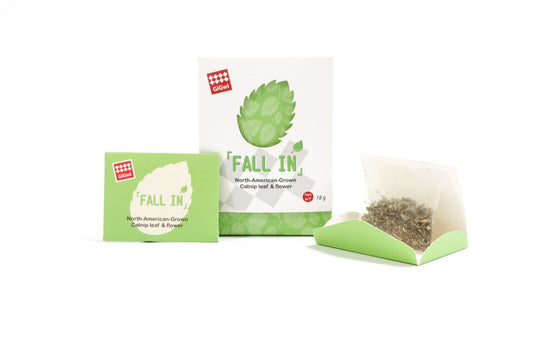
GiGwi – Fall In Catnip Tea Bags
Vendor:GiGwiRegular price $12.86 AUDRegular price$18.38 AUDSale price $12.86 AUDSale -
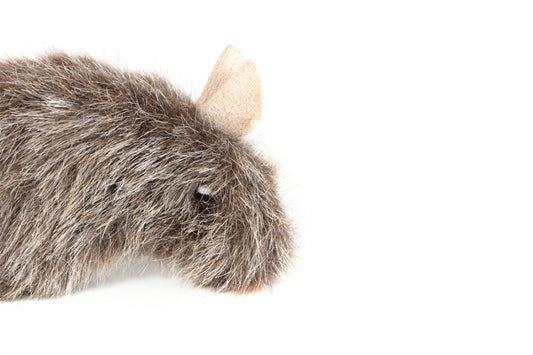
GiGwi – Refillable Catnip – Naturals Mouse
Vendor:GiGwiRegular price $9.19 AUDRegular price$13.13 AUDSale price $9.19 AUDSale -
Prestige Pet – Christmas Cat Stocking
Vendor:Prestige PetRegular price $12.86 AUDRegular price$18.38 AUDSale price $12.86 AUDSale -
GiGwi – Melody Chaser – Mouse
Vendor:GiGwiRegular price $11.03 AUDRegular price$15.75 AUDSale price $11.03 AUDSale -
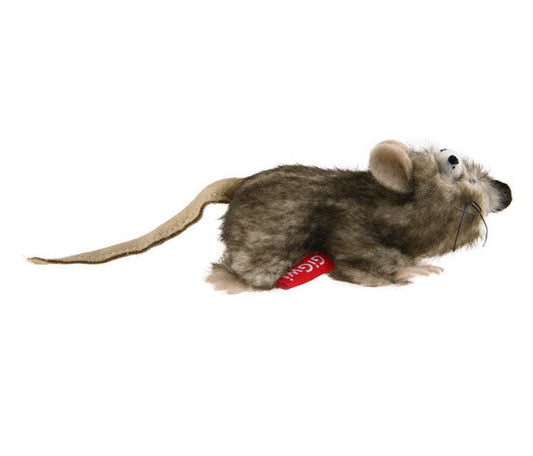
GiGwi – Catch & Scratch – Mouse
Vendor:GiGwiRegular price $9.19 AUDRegular price$13.13 AUDSale price $9.19 AUDSale -
Petstages – Fresh Breath Mint Stick
Vendor:PetstagesRegular price $5.90 AUDRegular price$9.19 AUDSale price $5.90 AUDSale -
Hugsmart – Meow Buddies – Sea Lion Cat Toy
Vendor:HugsmartRegular price $7.35 AUDRegular price$10.50 AUDSale price $7.35 AUDSale -
Hugsmart Crazy Catcher Unicorn & Rainbow Set – Interactive Plush Toys for Cats
Vendor:HugsmartRegular price $7.35 AUDRegular price$10.50 AUDSale price $7.35 AUDSale -
GiGwi – Catch & Scratch – Treat Dispenser Hedgehog
Vendor:GiGwiRegular price $9.19 AUDRegular price$13.13 AUDSale price $9.19 AUDSale -
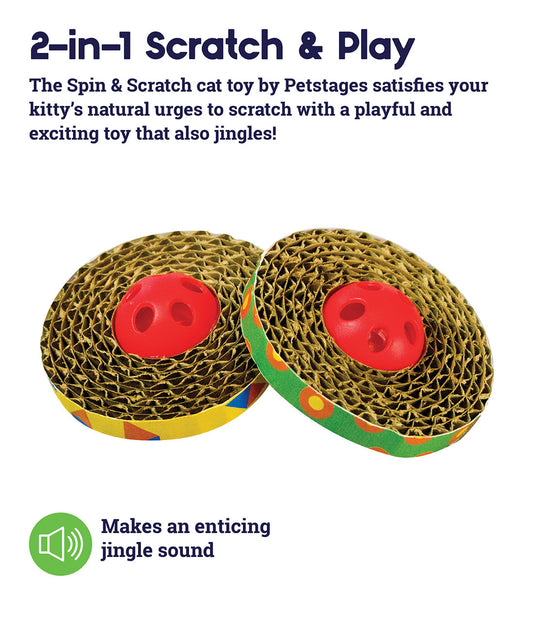
Petstages - Spin & Scratch
Vendor:PetstagesRegular price $5.96 AUDRegular price -
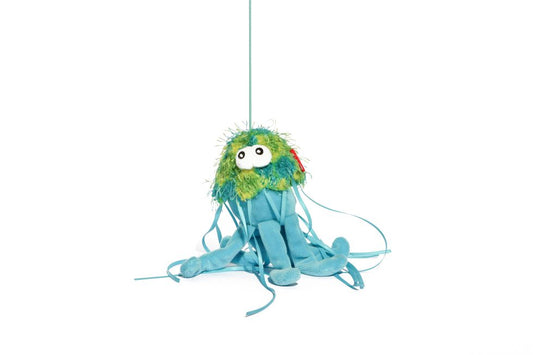
GiGwi - Laser Teaser Wand - Jelly Fish
Vendor:GiGwiRegular price $19.45 AUDRegular price -
Patchwork Pet - Christmas Cat - Toy Box
Vendor:Patchwork PetRegular price $22.48 AUDRegular price -
Kitty Play - Christmas Cat - Toy Stocking
Vendor:Kitty PlayRegular price $11.01 AUDRegular price -
Kitty Play - Christmas Cat - Toy Ornament
Vendor:Kitty PlayRegular price $9.54 AUDRegular price -
Kitty Play - Christmas Cat - Toy Stocking
Vendor:Kitty PlayRegular price $14.69 AUDRegular price -
KONG – Christmas Cat – Holiday Tropics Santa – 2 Pack
Vendor:kongRegular price $8.99 AUDRegular price$11.50 AUDSale price $8.99 AUDSale -
Petstages – Catnip Chew Mice
Vendor:PetstagesRegular price $9.19 AUDRegular price$13.13 AUDSale price $9.19 AUDSale -
Hugsmart Crazy Catcher Avocado Cat Toy Set – Catnip Plush Toys
Vendor:HugsmartRegular price $7.35 AUDRegular price$10.50 AUDSale price $7.35 AUDSale -
GiGwi – Melody Chaser – Bird
Vendor:GiGwiRegular price $11.03 AUDRegular price$15.75 AUDSale price $11.03 AUDSale -
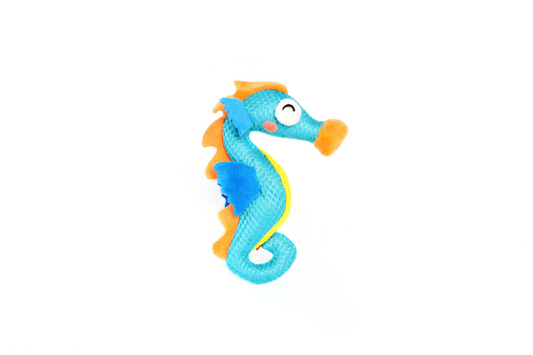
GiGwi – Dental Mesh – Catnip Seahorse
Vendor:GiGwiRegular price $11.03 AUDRegular price$15.75 AUDSale price $11.03 AUDSale -
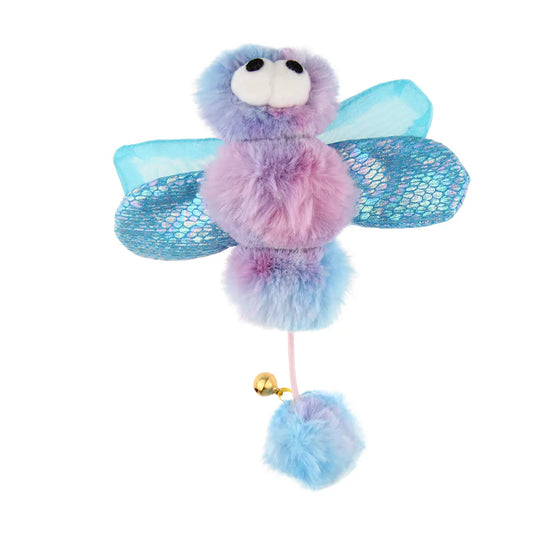
GiGwi – Catch & Scratch – Ice Cream Dragonfly
Vendor:GiGwiRegular price $9.19 AUDRegular price$13.13 AUDSale price $9.19 AUDSale -
GiGwi – Catch & Scratch – Chipmunk
Vendor:GiGwiRegular price $9.19 AUDRegular price$13.13 AUDSale price $9.19 AUDSale -
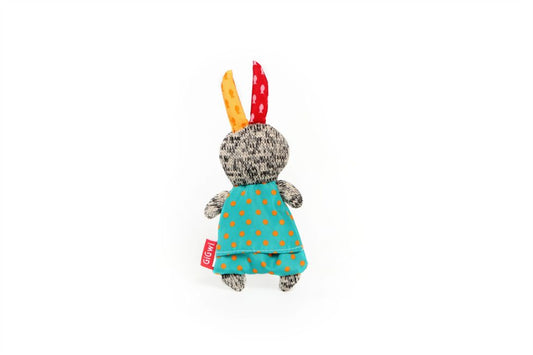
GiGwi – Refillable Catnip Characters – Rabbit
Vendor:GiGwiRegular price $9.19 AUDRegular price$13.13 AUDSale price $9.19 AUDSale -
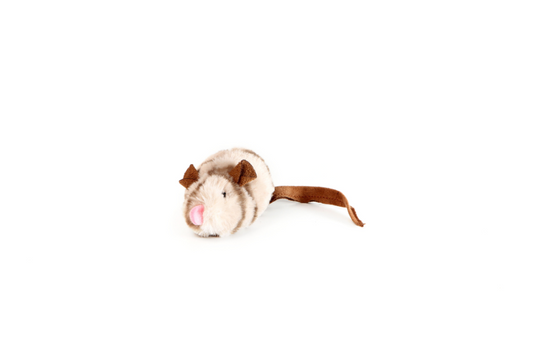
GiGwi – Roll Tailed Mouse with Catnip
Vendor:GiGwiRegular price $11.03 AUDRegular price$15.75 AUDSale price $11.03 AUDSale






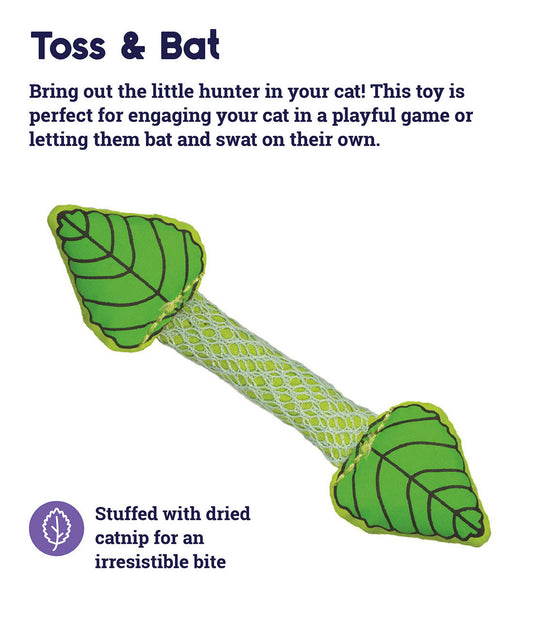


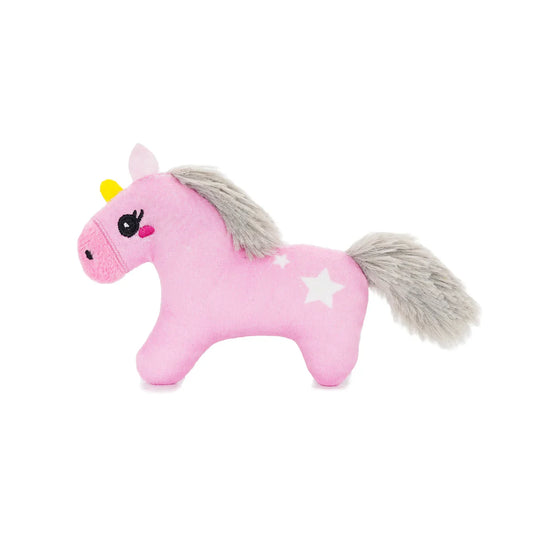





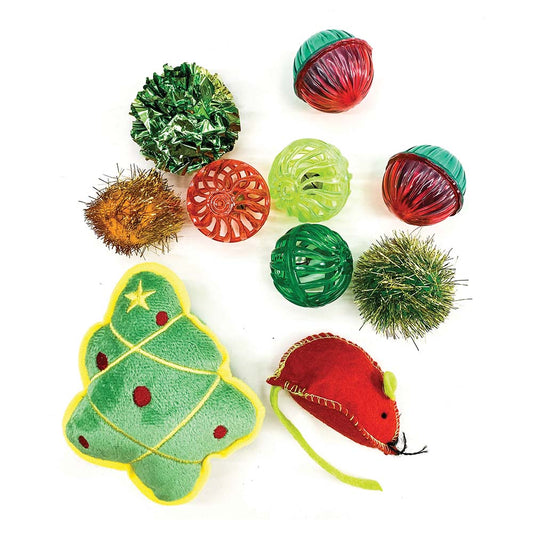


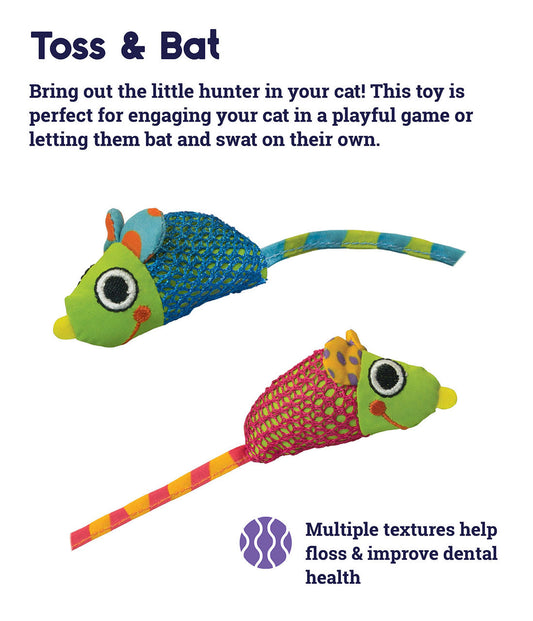

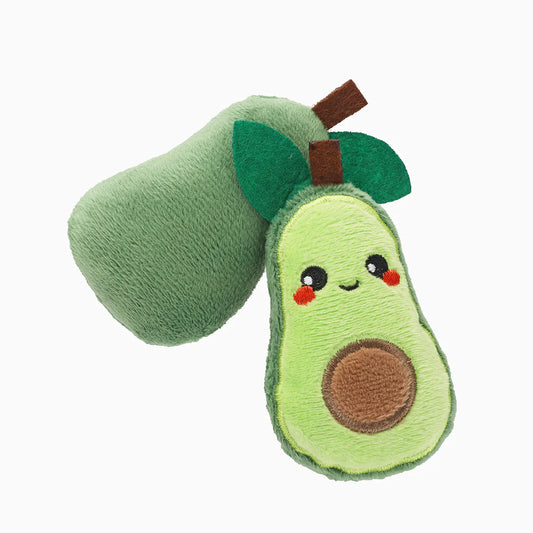






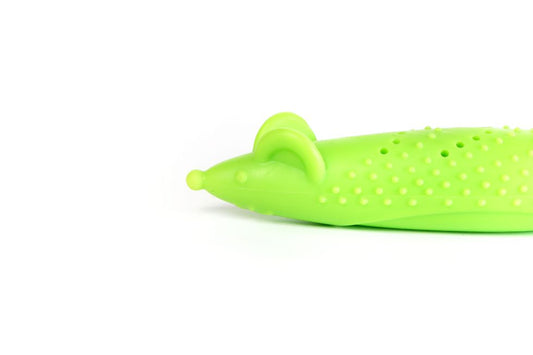
25 cat toys at Celeste Pets from GiGwi, KONG, Petstages and more: feather wands, kickers, catnip toys, crinkle balls and solo play toys, delivered anywhere in Australia with full tracking.
Play Is a Hunt, and It Has Five Parts
A cat that plays is not exercising. It is hunting, and hunting has a shape to it. The cat spots something, stalks it, chases it, pounces, catches it, and then does the part people find slightly uncomfortable to watch: it bites, kicks and shakes the thing until it stops being alive. That last step is not cruelty and it is not optional. It is the end of the sequence, and it is where the satisfaction lives.
This explains most play problems in one go. If you dangle a feather and whip it away every single time the cat commits, you have run a cat through the stalking, chasing and pouncing four dozen times and never once let it finish. The cat does not read that as a great session. It reads as frustration, and frustrated cats redirect, which is how you end up being ambushed from behind the couch at eleven at night.
So the rule for every session is: let the cat win. Not every time, or the game is boring, but often enough that it connects effort with a catch, and definitely on the last one. End the session with the cat holding the toy, mauling it with the back feet. Then feed it if you can, because hunt, catch, eat, groom, sleep is the natural order and it is why a good play session before dinner buys you a quiet evening.
Wand Toys: the Ones You Have to Be There For
A wand is the only cat toy that behaves like real prey, because you are driving it. Prey does not fly at a cat. It moves away, it hides behind things, it freezes, it makes a mistake. Drag a feather along the floor and around a chair leg rather than waving it in the air, let it stop dead and twitch, and watch the cat drop into a crouch with its back feet shuffling. That shuffle means you are doing it right.
Ten to fifteen minutes, once or twice a day, does more than an hour of a cat batting something on its own. Two sessions spaced apart beat one long one, because cats hunt in short bursts rather than sustained efforts.
Put wand toys away between sessions. This matters more than it sounds. The string, ribbon or elastic on a wand is exactly the kind of thing cats swallow, and a swallowed string is not a mild problem. It can anchor at the base of the tongue or in the stomach while the intestine keeps trying to move it along, which saws through the gut wall. It is surgery, and it is often fatal if it is not caught quickly. A wand left on the floor overnight is an unsupervised piece of string. Keep them in a drawer.
The same applies to anything in the house with that shape: tinsel, hair ties, sewing thread, the drawstring from a hoodie, ribbon off a parcel. If you ever see string protruding from either end of a cat, do not pull it. Go straight to a vet.
Solo Toys for the Hours You Are Not Home
Wand play is the good stuff but it requires you. For the rest of the day a cat needs things it can hunt alone, which means toys it can bat, carry, kick and pin without a human attached.
- Kicker toys, long and stuffed, for the grab-and-rabbit-kick part of the sequence that wands cannot satisfy
- Crinkle balls and light foam balls that skitter unpredictably off hard floors
- Spring toys that move erratically when touched
- Treat balls and food puzzles, which work well for indoor cats and slow down fast eaters
- Track and circuit toys, where a ball is captive in a groove, for cats who like batting at something that comes back
Rotate these rather than leaving them all out. Cats habituate quickly and a toy that has been on the floor for a month is scenery. Keep five or six in circulation and swap the rest in every couple of weeks.
Catnip, and Why It Does Nothing for Some Cats
Catnip works on receptors in the nose, and the response to it is inherited. Roughly a third of cats do not respond at all, and no amount of fresher catnip or a better brand will change that, because it is genetics rather than quality. Kittens under about three months generally do not respond either, so a flat reaction from a young cat is not a verdict.
In cats that do respond, the effect lasts around ten minutes and then there is a refractory period of an hour or two where more catnip does nothing. Offering it constantly dulls the response, so keep catnip toys in a sealed container and bring them out occasionally. If your cat is one of the non-responders, the toy itself may still work perfectly well as a kicker or a chase object. Judge it on the shape, not the herb.
Browse the full toy range for everything we stock, or the dog toy collection if there is a dog in the house as well.
Frequently Asked Questions
How long should I play with my cat each day?
Ten to fifteen minutes of wand play, once or twice a day, suits most cats better than one long session. Cats hunt in short intense bursts rather than sustained effort, so two short sessions spaced apart are more use than half an hour in one go. Playing before a meal works particularly well.
Why does my cat lose interest in play so quickly?
Usually because it never gets to catch anything. Stalking and chasing with no catch at the end is frustrating rather than satisfying, and cats disengage from a game they cannot win. Let the toy be caught regularly, and always finish the session with the cat holding it. Moving the toy away from the cat and letting it hide and freeze also holds attention far better than waving it overhead.
Are string and ribbon toys safe for cats?
Only under direct supervision. Cats swallow string, ribbon and elastic readily, and a swallowed length can anchor at one end while the intestine keeps pulling on it, which causes serious internal injury and often needs surgery. Put wand toys away in a drawer between sessions and keep loose string, tinsel and hair ties out of reach. If you can see string coming out of your cat at either end, do not pull it, go to a vet.
My cat does not react to catnip. Is something wrong?
No. The response to catnip is genetic and roughly one cat in three does not have it, no matter how fresh the catnip is. Kittens under about three months usually do not respond either. Non-responders often still enjoy the toy itself, so pick it for its shape and texture rather than for the catnip.
What toys can I leave out when I am not home?
Solid solo toys with nothing to unravel: crinkle balls, foam balls, kicker toys, track toys and treat dispensing balls. Leave out nothing with string, ribbon, elastic, feathers that pull free, or small glued-on parts like bells and eyes. Check them regularly and bin anything that has started coming apart.
Do you ship cat toys across Australia?
Yes. Orders are dispatched within 1 to 2 business days with full tracking. Metro areas typically receive orders in 3 to 5 business days, regional areas in 5 to 8, and remote areas in 7 to 10. Every purchase is backed by a 14 day return policy.