
-
Starmark – Treat Dispensing Bob-A-Lot
Vendor:StarmarkRegular price From $16.54 AUDRegular price$23.63 AUDSale price From $16.54 AUDSale -
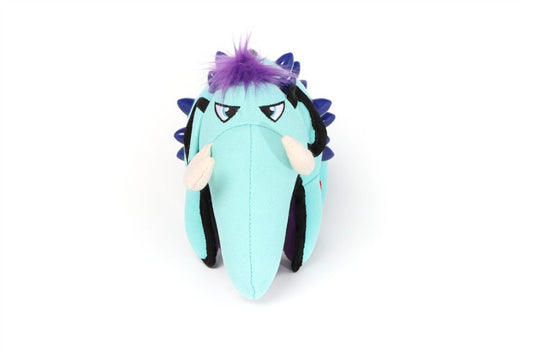
GiGwi – Duraspikes – Elephant
Vendor:GiGwiRegular price $23.89 AUDRegular price$34.13 AUDSale price $23.89 AUDSale -
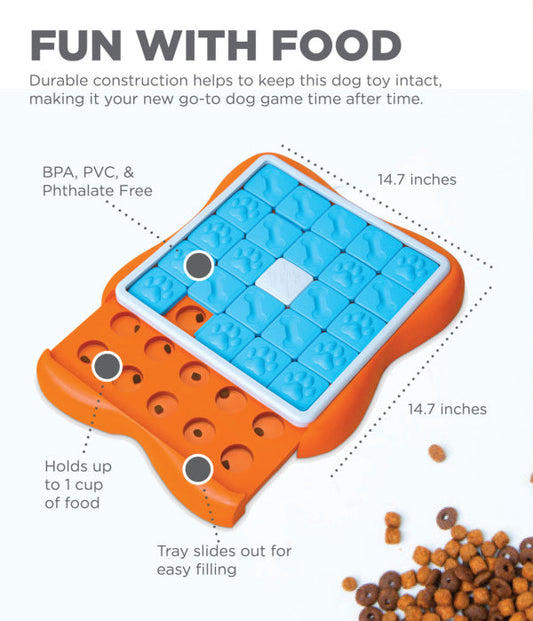
Outward Hound – Nina Ottosson – Dog Challenge Slider (Level 3)
Vendor:Outward HoundRegular price $45.02 AUDRegular price$64.31 AUDSale price $45.02 AUDSale -

 Sold out
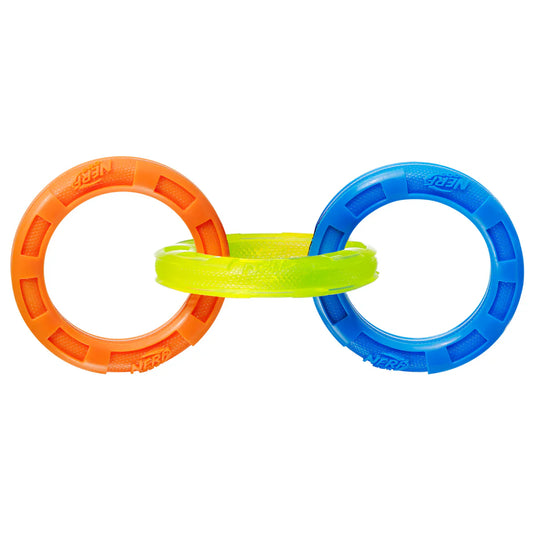
NERF DOG – 3 Ring Tug
Vendor:Nerf DogRegular price $17.00 AUDRegular price$31.50 AUDSale price $17.00 AUDSold out -
Boomer Ball – The Ultimate Indestructible Dog Toy
Vendor:Company of AnimalsRegular price From $11.03 AUDRegular price$15.75 AUDSale price From $11.03 AUDSale -
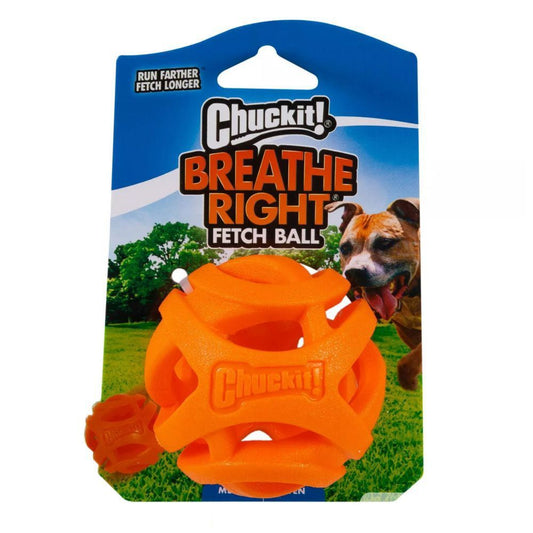
Chuckit! Breathe Right Fetch Ball
Vendor:Chuckit!Regular price From $9.19 AUDRegular price$13.13 AUDSale price From $9.19 AUDSale -
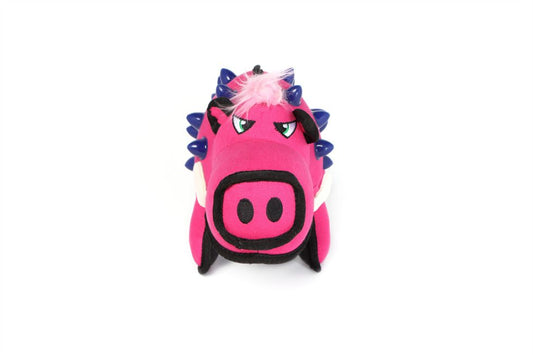
GiGwi – Duraspikes – Wild Boar
Vendor:GiGwiRegular price $23.89 AUDRegular price$34.13 AUDSale price $23.89 AUDSale -
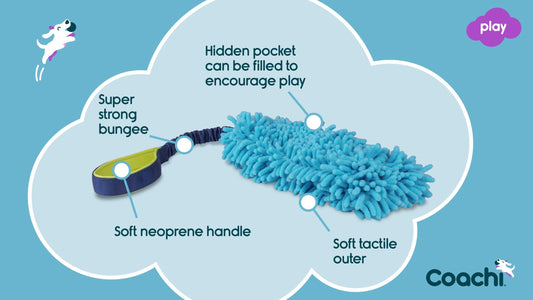
Company of Animals – Coachi – Tuggi Hide
Vendor:Company of AnimalsRegular price $14.70 AUDRegular price$21.00 AUDSale price $14.70 AUDSale -
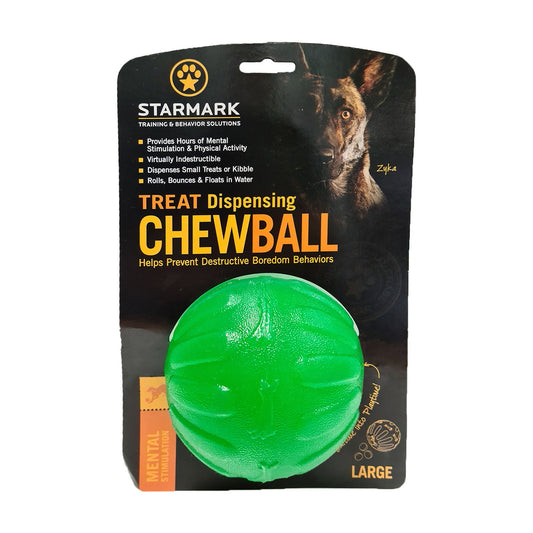
Starmark – Treat Dispensing Chew Ball
Vendor:StarmarkRegular price From $10.11 AUDRegular price$14.44 AUDSale price From $10.11 AUDSale -

 Sale
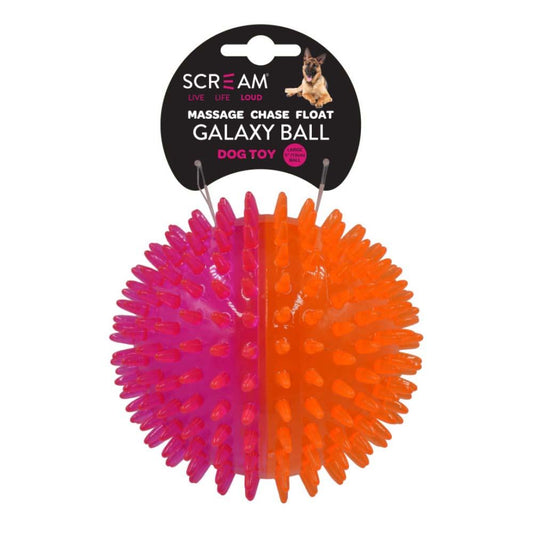
SaleScream – Galaxy Ball
Vendor:ScreamRegular price From $5.51 AUDRegular price$7.88 AUDSale price From $5.51 AUDSale -
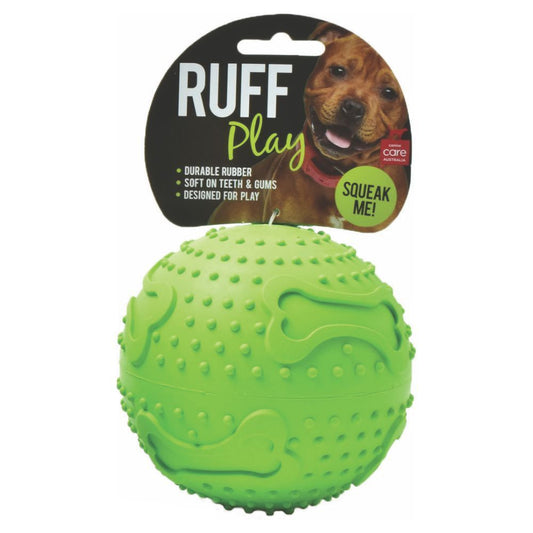
Dogs Tough Rubber Squeaker Ball Toy
Vendor:RUFF PlayRegular price From $6.44 AUDRegular price$9.19 AUDSale price From $6.44 AUDSale -
Dogs Plush Buddies Toy – Tuff Polar Bear
Vendor:RUFF PlayRegular price $11.03 AUDRegular price$15.75 AUDSale price $11.03 AUDSale -
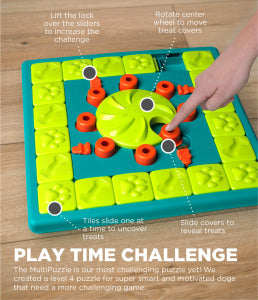
Outward Hound – Nina Ottosson – Dog MultiPuzzle (Level 4)
Vendor:Outward HoundRegular price $49.61 AUDRegular price$70.88 AUDSale price $49.61 AUDSale -
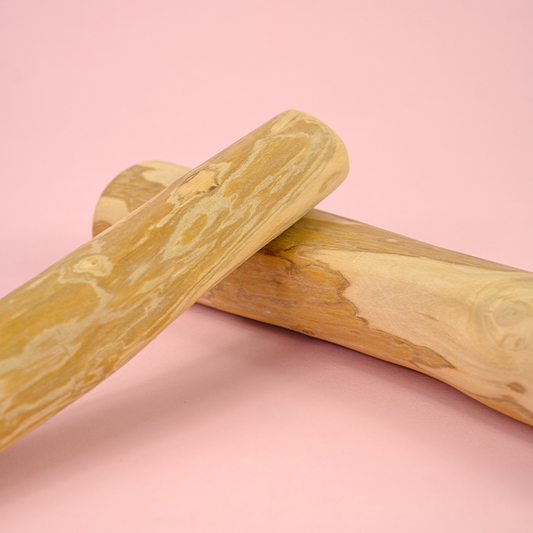
Dan & Sam – Natural Coffee Wood Chew
Vendor:Dan & SamRegular price From $7.35 AUDRegular price$10.50 AUDSale price From $7.35 AUDSale -

 Sale
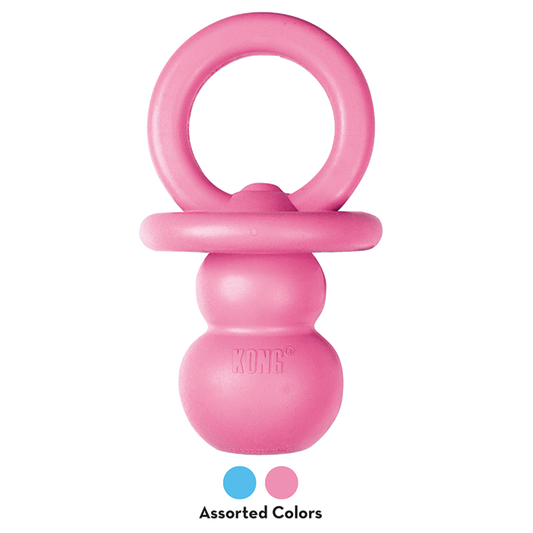
SaleKONG – Puppy Binkie
Vendor:kongRegular price From $14.99 AUDRegular price$21.41 AUDSale price From $14.99 AUDSale -
Dogs Plush Buddies Toy – Tuff Warthog
Vendor:RUFF PlayRegular price $13.79 AUDRegular price$19.69 AUDSale price $13.79 AUDSale -
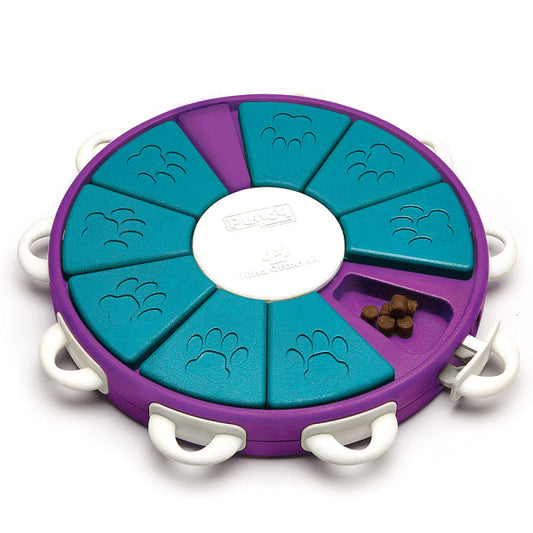
Outward Hound – Nina Ottosson – Dog Twister Puzzle (Level 3)
Vendor:Outward HoundRegular price $32.16 AUDRegular price$45.94 AUDSale price $32.16 AUDSale -
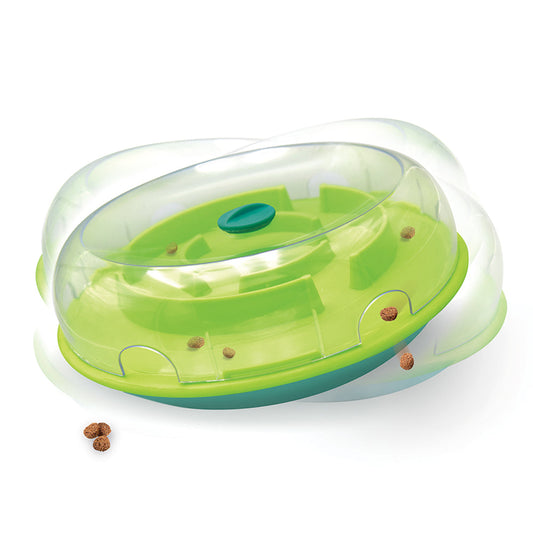
Outward Hound – Nina Ottosson – Dog Wobble Bowl (Level 1)
Vendor:Outward HoundRegular price $35.84 AUDRegular price$51.19 AUDSale price $35.84 AUDSold out -
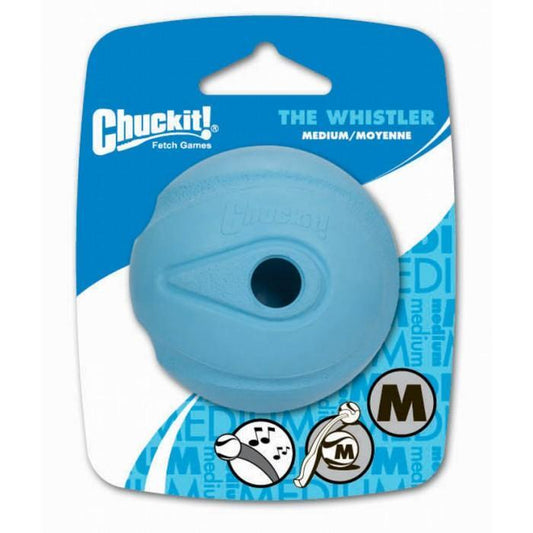
Chuckit! – Whistler Bal
Vendor:Chuckit!Regular price From $11.95 AUDRegular price$17.06 AUDSale price From $11.95 AUDSale -
Chuckit! – Paraflight
Vendor:Chuckit!Regular price $21.14 AUDRegular price$30.19 AUDSale price $21.14 AUDSale -
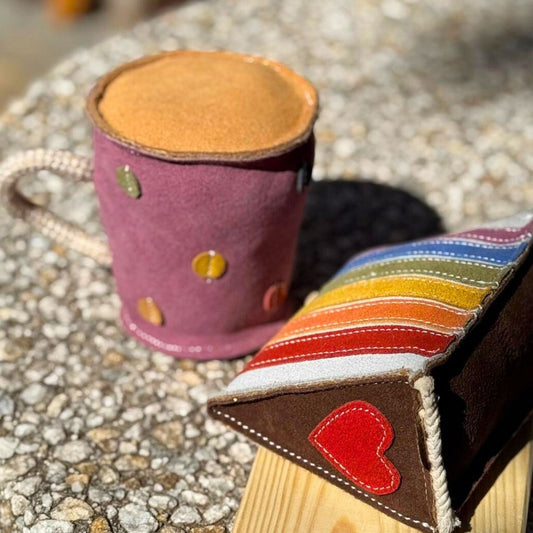
Georgie Paws – Tea In A Mug
Vendor:Georgie PawsRegular price $20.21 AUDRegular price$28.88 AUDSale price $20.21 AUDSale -
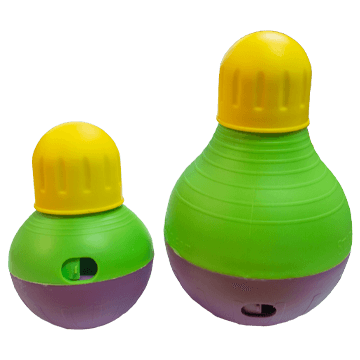
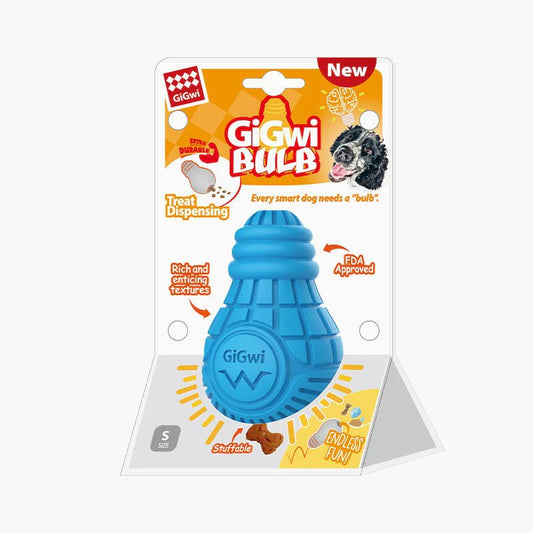
GiGwi – Treat Dispensing Bulb
Vendor:GiGwiRegular price From $11.03 AUDRegular price$15.75 AUDSale price From $11.03 AUDSale -
 Sold out
Tonka – Infinity Chew Tug
Vendor:TonkaRegular price $23.89 AUDRegular price$34.13 AUDSale price $23.89 AUDSold out -
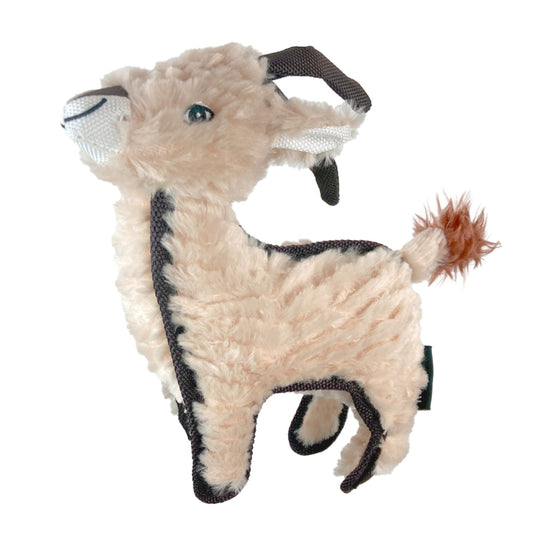
Dogs Plush Buddies Toy – Antelope
Vendor:RUFF PlayRegular price $13.79 AUDRegular price$19.69 AUDSale price $13.79 AUDSale






















227 dog toys at Celeste Pets from KONG, Chuckit!, Benebone, GiGwi, Hugsmart, RUFF Play, Nerf Dog, Outward Hound, Zippy Paws, Georgie Paws, Starmark and Petstages. Chews, fetch toys, puzzles, plush and heavy duty rubber, shipped anywhere in Australia with full tracking.
Buy for the Dog, Not for the Size Chart
Almost every toy guide starts with weight. Small dog, small toy. Large dog, large toy. Size matters for safety, and we will come back to it, but it is a poor predictor of whether a dog will actually play with something. A 6kg Jack Russell and a 6kg Cavalier want completely different things, and a Labrador and a Great Dane of the same weight often want opposite things too.
Three questions get you much closer than the size chart does. How much energy does this dog have to burn? How hard does it chew? And what does it do with a toy once it has one? A dog that shakes and kills things, a dog that carries things around gently, a dog that wants to dismantle things and a dog that wants you involved are four different customers, and the toy that delights one of them will sit untouched in front of the others.
Energy, and What Actually Tires a Dog
Owners of high energy dogs usually try to fix the problem with distance. More walking, longer walking, a second walk. It works less well than expected, because a dog trotting alongside you at a steady pace is doing the one thing it is built to do efficiently. You can walk a fit Kelpie for two hours and hand back a Kelpie that is warmed up.
Two things move the needle much faster. The first is sprinting. Short bursts of flat-out running with hard braking and turning cost far more than sustained plodding, which is why twenty minutes of retrieving can do more than an hour on the lead. The second is problem solving. A dog working out how to get food out of a puzzle is concentrating, and concentration is tiring in a way that movement is not. Ten minutes with a treat puzzle visibly settles most dogs.
The practical version of this is that a high energy dog on a limited time budget is better served by a ball and a puzzle than by an extra lap of the block. If you only have half an hour, spend fifteen minutes on hard retrieving and fifteen on an interactive toy.
Chew Strength Is a Separate Axis
This is the distinction that saves the most money and the most vet bills. How hard a dog chews has very little to do with how big it is. Plenty of Staffies and Bull Terriers well under 20kg will strip a toy that a 40kg Golden Retriever carries around for years, and plenty of large dogs are gentle with everything they are given.
Sort your dog into one of three groups and buy accordingly. Gentle chewers, who mouth and carry, can have almost anything including soft toys. Moderate chewers, who work on a toy but stop short of destroying it, do well on textured rubber, rope and treat dispensers. Power chewers, who treat every new toy as a problem to be solved with their molars, need solid rubber or natural nylon in a size up from what the chart suggests.
What power chewers do not need is the hardest object on the shelf. Veterinary guidance is not to give a dog anything harder than its own teeth, and antlers, hooves and hard bones are among the most common causes of fractured teeth precisely because they outlast everything. Three quick checks before you hand anything over:
- Thumbnail test. Press it with your thumbnail. If there is no give at all, it is too hard.
- Knee cap rule. Tap it on your own kneecap. If that hurts you, it is too hard or too heavy for your dog.
- Hammer rule. If you could not drive a nail through it, your dog should not be chewing it.
Alongside hardness, the size rule is simple: the toy should be too big to swallow and too big to lodge at the back of the throat. Between two sizes, take the larger one.
What to Do With a Dog That Ignores Toys
Owners often conclude their dog is just not playful. That is occasionally true, and much more often one of two fixable things is going on.
The first is that the toy does not match how the dog plays. A dog with strong prey drive wants something that moves erratically and can be shaken; hand it a static rubber cube and nothing happens. A dog that likes to work for food ignores a squeaky toy and comes alive the moment food is involved. A dog that plays socially will not touch anything on its own but will play hard with you holding the other end. Before writing a dog off, try one toy from each family: something to chase, something that dispenses food, something to tug, and something soft to carry.
The second is habituation. Toys that have been on the floor for six months are, as far as the dog is concerned, furniture. Pick everything up, keep four or five toys available and put the rest away, then swap the sets over every week or two. Bringing back a toy the dog has not seen for a fortnight usually gets a better reaction than buying a new one.
Shop Dog Toys by Type
- Chew Toys for dogs that need a legal outlet for their jaw
- Fetch Toys for balls, discs and tug-and-throw
- Plush Toys for carrying, comfort and gentle shaking
- The full toy range including cat toys
Frequently Asked Questions
How do I choose a dog toy for my dog's breed?
Breed is a rough guide to drive rather than a rule. Retrieving breeds usually take to balls and discs, terriers to shaking and shredding, herding breeds to anything fast and unpredictable, and scent hounds to food puzzles. Within any breed individuals vary a lot, so treat it as a starting point and pay attention to what your own dog does with the first few toys you try.
My dog is not interested in any toys. What should I do?
Usually the toy is wrong for how that dog plays, or it has been lying around so long the dog no longer registers it. Pick everything up, then offer one toy from each family: something to chase, something that dispenses food, something to tug with you, and something soft to carry. Play with the dog rather than handing the toy over, since many dogs only play socially.
How many toys should a dog have out at once?
Four or five, with the rest put away and swapped in every week or two. Dogs habituate quickly, and a toy that has been available continuously for months stops being interesting. Rotation costs nothing and works better than buying more.
What toy tires out a high energy dog fastest?
Sprinting and thinking, not walking. Hard retrieving makes a dog accelerate, brake and turn, which is far more tiring than steady trotting, and a puzzle or treat dispensing toy adds mental fatigue on top. Fifteen minutes of each usually does more for a high energy dog than an hour on the lead.
Is my dog too rough for normal toys?
If new toys come apart within a session, buy from the durable range and go a size up, but do not reach for the hardest thing available. A toy harder than your dog's teeth risks a fracture, so use the thumbnail and kneecap tests before handing anything over. Retire any toy once pieces go missing, a squeaker is exposed or stuffing starts coming out.
How fast do you deliver dog toys in Australia?
Orders are dispatched within 1 to 2 business days with full tracking. Metro areas typically receive orders in 3 to 5 business days, regional areas in 5 to 8, and remote areas in 7 to 10. Every purchase is backed by a 14 day return policy.