
-
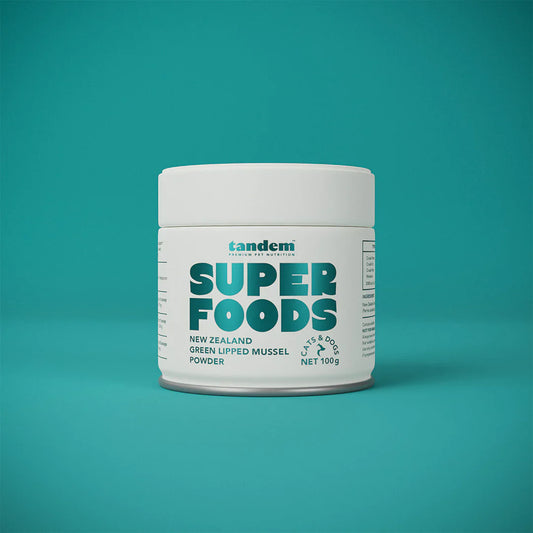
Tandem – Super Foods – New Zealand Green Lipped Mussel Powder for Cats & Dogs
Vendor:TandemRegular price $38.84 AUDRegular price$57.19 AUDSale price $38.84 AUDSale -
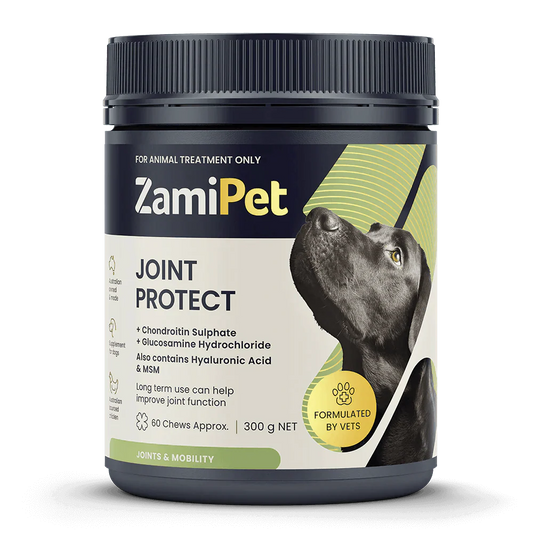
Dog Joint Protect Supplement
Vendor:ZamiPetRegular price From $19.99 AUDRegular price$28.88 AUDSale price From $19.99 AUDSale -
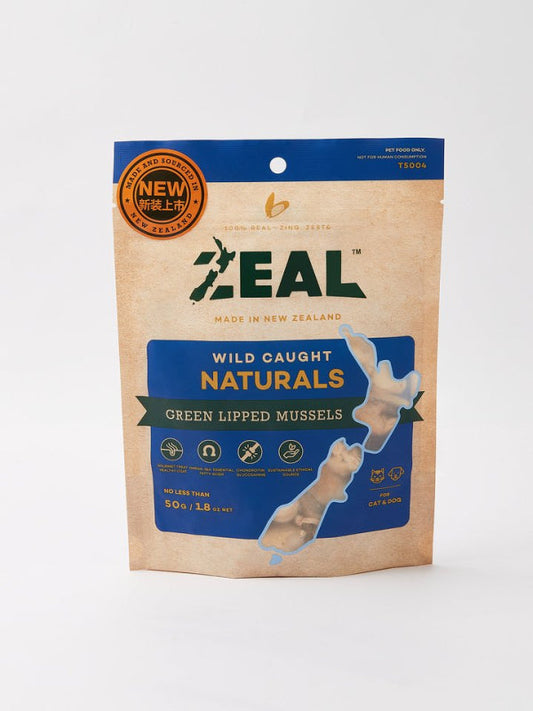
Zeal – Wild Caught Naturals – Green Lipped Mussels
Vendor:ZealRegular price $11.95 AUDRegular price$17.06 AUDSale price $11.95 AUDSale -

 Sold out
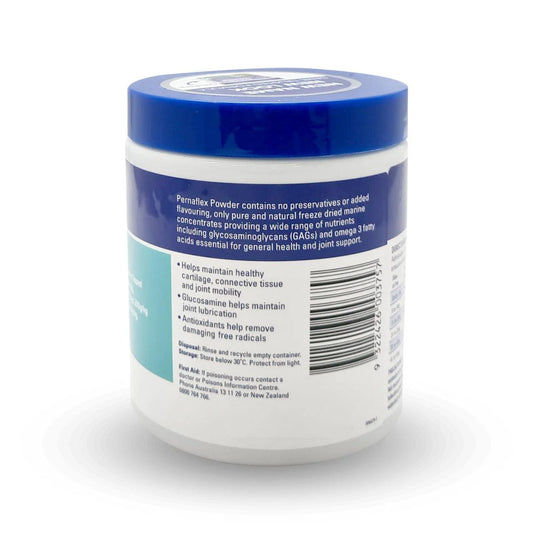
Mavlab – PERNAFlex Powder
Vendor:MavlabRegular price $51.45 AUDRegular price$73.50 AUDSale price $51.45 AUDSold out -
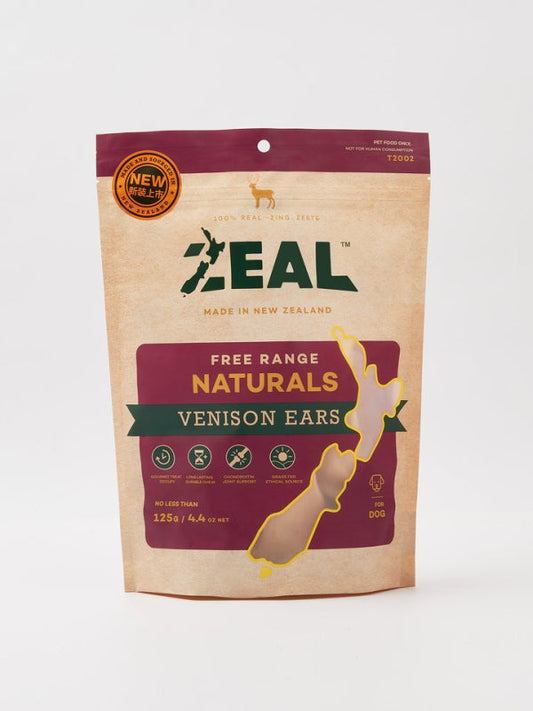
Zeal – Free Range Naturals – Venison Ears
Vendor:ZealRegular price $11.95 AUDRegular price$17.06 AUDSale price $11.95 AUDSale -
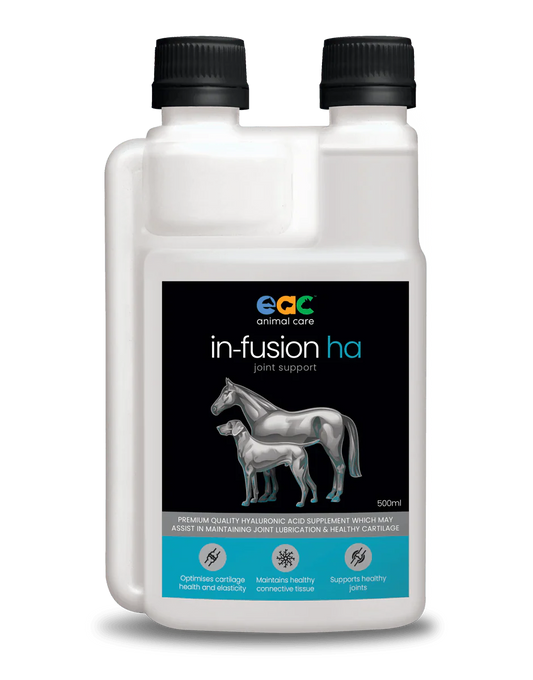
EAC Animal Care – In-Fusion HA Joint Support
Vendor:EAC Animal CareRegular price From $29.40 AUDRegular price$42.00 AUDSale price From $29.40 AUDSale -

 Sale
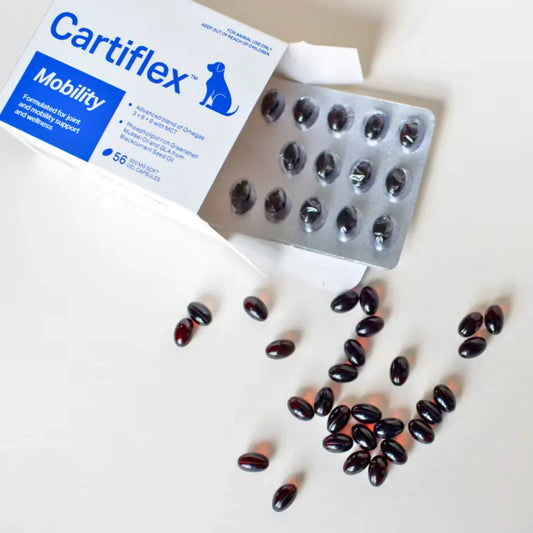
SaleCartiflex – Mobility
Vendor:CartiflexRegular price $44.10 AUDRegular price$63.00 AUDSale price $44.10 AUDSale -
Pawsome Organic - Hemp Oil & Seaweed
Vendor:Pawsome OrganicRegular price $19.67 AUDRegular price -
Nature’s Menu - Australian Shark Cartilage
Vendor:Nature’s MenuRegular price $54.34 AUDRegular price -
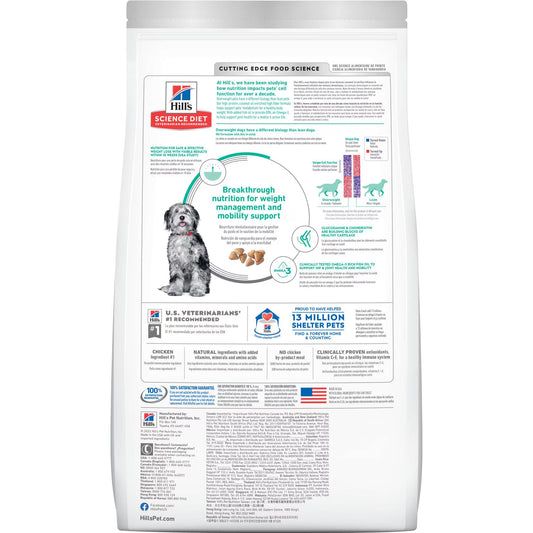
Hill’s - Science Diet - Adult Dog - Perfect Weight & Joint Support
Vendor:Hill’sRegular price From $43.69 AUDRegular price -
Hill’s - Science Diet - Adult Dog - Perfect Weight & Joint Support - Large Breed
Vendor:Hill’sRegular price $198.88 AUDRegular price -
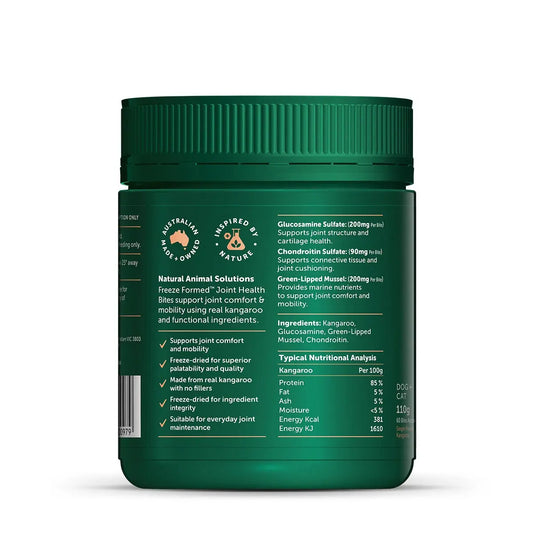
Natural Animal Solutions – Joint Health Bites
Vendor:Natural Animal SolutionsRegular price $26.00 AUDRegular price -
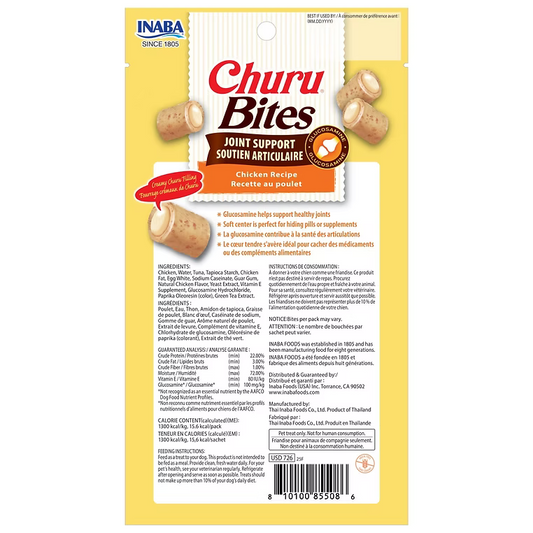
Inaba – Dog Churu Bites – Joint Support
Vendor:InabaRegular price $24.70 AUDRegular price$32.81 AUDSale price $24.70 AUDSale -
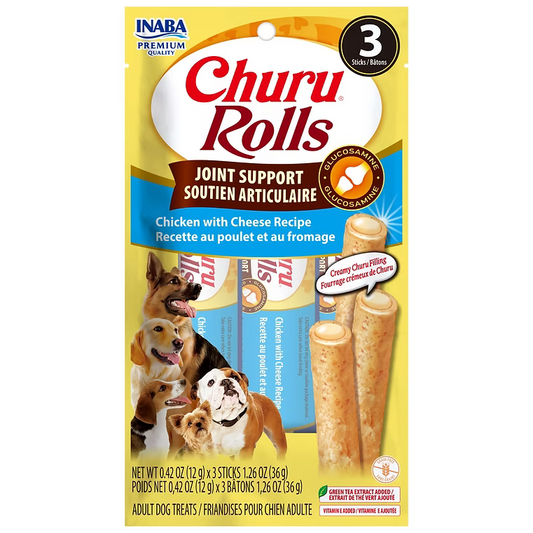
Inaba – Dog Churu Rolls – Joint Support
Vendor:InabaRegular price $24.70 AUDRegular price$32.81 AUDSale price $24.70 AUDSale -
Bark & Beyond | Dog Treats | Shark Cartilage
Vendor:Bark & BeyondRegular price $44.10 AUDRegular price$63.00 AUDSale price $44.10 AUDSold out -
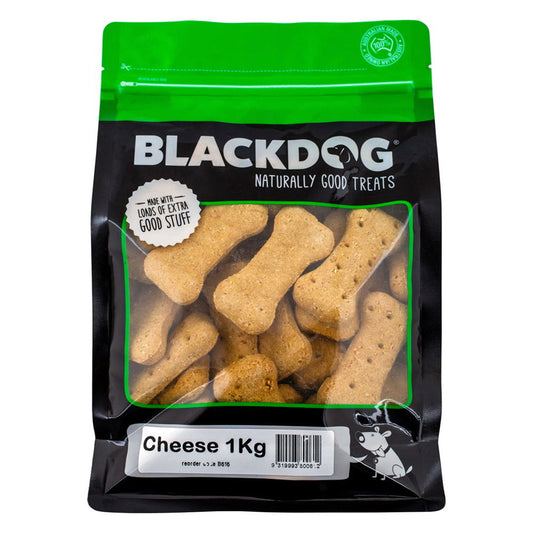
Dogs Oven Baked Biscuits Treats – 1kg
Vendor:Black DogRegular price From $7.49 AUDRegular price$13.13 AUDSale price From $7.49 AUDSale -
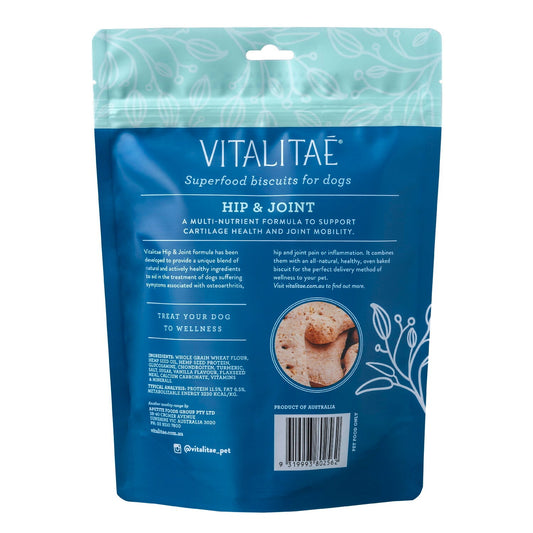
Superfood Biscuits for Dogs – Hip & Joint
Vendor:VitalitaeRegular price $7.35 AUDRegular price$10.50 AUDSale price $7.35 AUDSale -
Sashas Blend - Dog Supplement
Vendor:Sashas BlendRegular price $77.18 AUDRegular price$110.25 AUDSale price $77.18 AUDSale -
Rose-Hip Vital Canine - Rosehip Vital For Dogs
Vendor:Rose-Hip VitalRegular price From $42.00 AUDRegular price$56.44 AUDSale price From $42.00 AUDSale -
Natural Animal Solutions – OsteoForte
Vendor:Natural Animal SolutionsRegular price $40.43 AUDRegular price$57.75 AUDSale price $40.43 AUDSale -
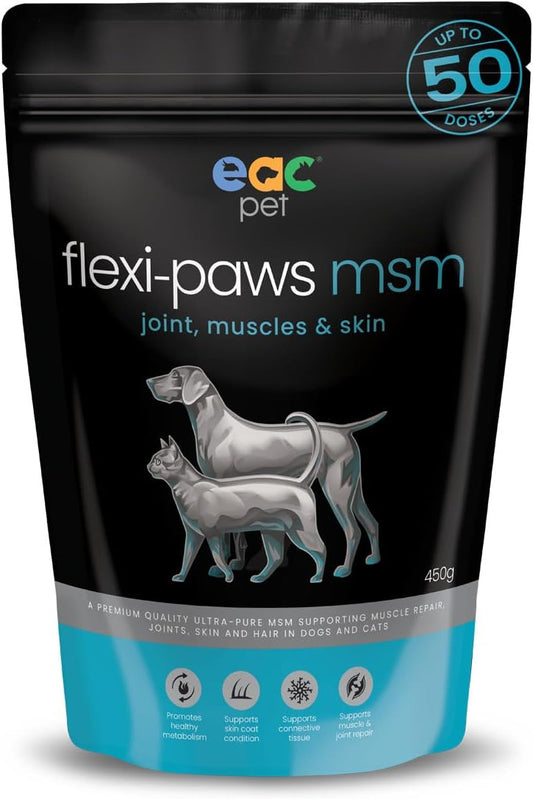
EAC Animal Care – In-Fusion MSM Joint, Muscles & Skin
Vendor:EAC Animal CareRegular price From $11.95 AUDRegular price$17.06 AUDSale price From $11.95 AUDSale -
Blackmores Paw Osteocare Joint Protect Chews for Dogs
Vendor:BlackmoresRegular price From $29.40 AUDRegular price$42.00 AUDSale price From $29.40 AUDSale


















When a dog becomes a senior
Age is not one number. Giant breeds are considered senior from around five or six, large breeds around seven, and small breeds often not until ten or eleven. The practical signal is not the birthday but the change: sleeping more, slower to rise, greying around the muzzle, less enthusiasm on the back half of a walk, and a coat that takes longer to look its best.
Joint care is where most owners start
Osteoarthritis is the most common age-related condition in dogs and it develops quietly. By the time a dog is visibly limping, the joint has usually been changing for a while. Starting joint support before the obvious signs is more effective than starting after them, which is why many owners begin at the first hesitation on stairs rather than waiting for a diagnosis.
Green lipped mussel, glucosamine, chondroitin and omega-3 fatty acids are the ingredients you will see most often. They work slowly and cumulatively, so consistency matters more than dose size.
The rest of the picture
- Weight. The single highest-impact change you can make. Every extra kilogram is load through joints that are already working harder.
- Bedding. Older dogs spend more hours lying down and feel pressure points more. Supportive bedding is not a luxury purchase at this stage.
- Dental. Dental disease is widespread in older dogs and painful long before it is obvious. It also affects appetite, which then affects everything else.
- Nutrition. Senior formulas typically adjust protein quality, calorie density and joint-supporting ingredients rather than simply cutting protein.
- Traction. Hard floors are a genuine hazard for a dog with weaker hindquarters. Runners and mats reduce slips and the confidence loss that follows one.
Changes that need a vet, not a product
Sudden weight loss, increased thirst or urination, disorientation or night pacing, a new lump, laboured breathing, or a limp that appears overnight are all reasons to book an appointment. Many age-related conditions are manageable when caught early, and a supplement is not a substitute for a diagnosis.
Why buy from Celeste
We stock through verified Australian distributors and ship domestically, so senior-specific products arrive with current batch dates. We are Australian owned and operated (ABN 86 700 345 214), and we ship to all Australian states and territories including regional and remote postcodes.
Common questions
At what age is a dog a senior?
It depends on size. Giant breeds are often considered senior from five or six, large breeds around seven, and small breeds from ten or eleven. Behaviour is a better guide than the calendar.
What is the best supplement for an older dog's joints?
Formulas built around green lipped mussel, glucosamine, chondroitin and omega-3s are the most common starting point. Which one suits depends on your dog's size, current mobility and whether they will take a powder or need a chew.
Does my senior dog need senior-specific food?
Not always, but many benefit. Senior formulas usually adjust calorie density and add joint-supporting ingredients. A dog holding good weight and condition on their current food does not need to change for the sake of it.
How do I make my home easier for an older dog?
Runners or mats on hard floors, a supportive bed away from draughts, raised bowls if they are stiff through the neck and shoulders, a ramp for the car, and shorter walks more often rather than one long one.
Can arthritis in dogs be cured?
No. It is managed rather than cured, through weight control, appropriate exercise, joint support and veterinary pain management where needed. Managed well, many dogs stay comfortable and active for years.