
-
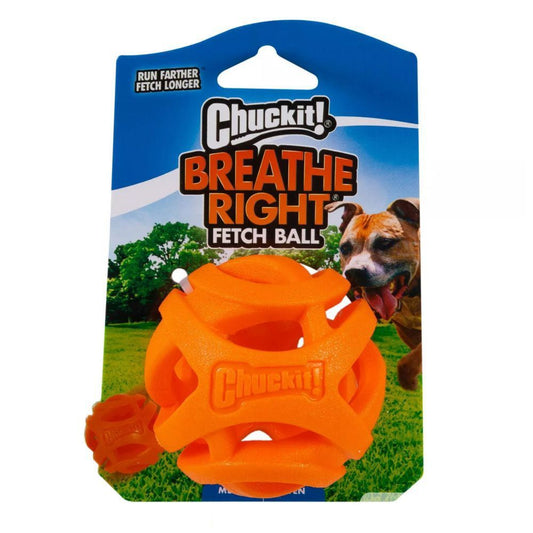
Chuckit! Breathe Right Fetch Ball
Vendor:Chuckit!Regular price From $9.19 AUDRegular price$13.13 AUDSale price From $9.19 AUDSale -
Boomer Ball – The Ultimate Indestructible Dog Toy
Vendor:Company of AnimalsRegular price From $11.03 AUDRegular price$15.75 AUDSale price From $11.03 AUDSale -
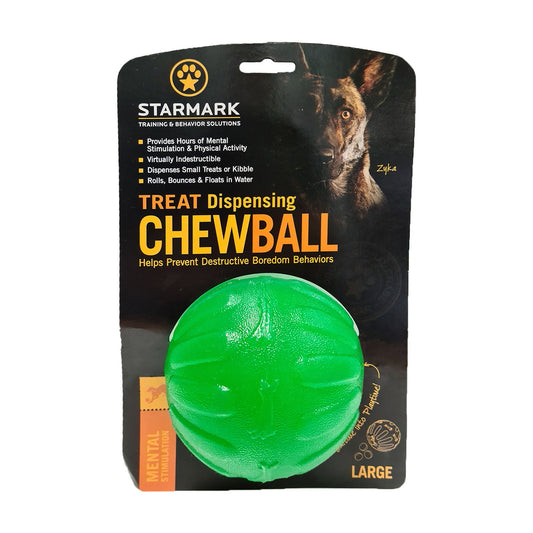
Starmark – Treat Dispensing Chew Ball
Vendor:StarmarkRegular price From $10.11 AUDRegular price$14.44 AUDSale price From $10.11 AUDSale -

 Sale
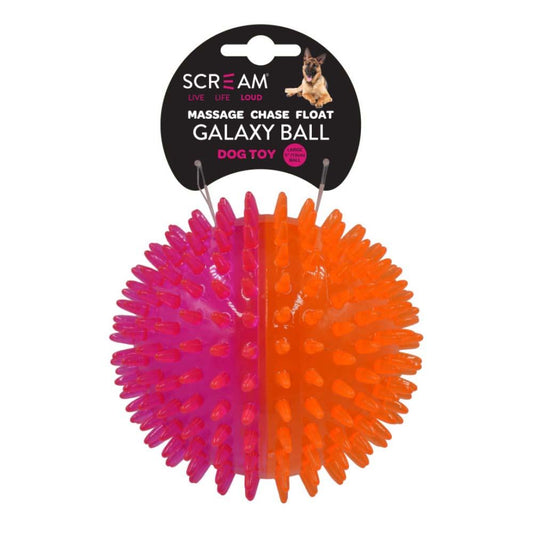
SaleScream – Galaxy Ball
Vendor:ScreamRegular price From $5.51 AUDRegular price$7.88 AUDSale price From $5.51 AUDSale -
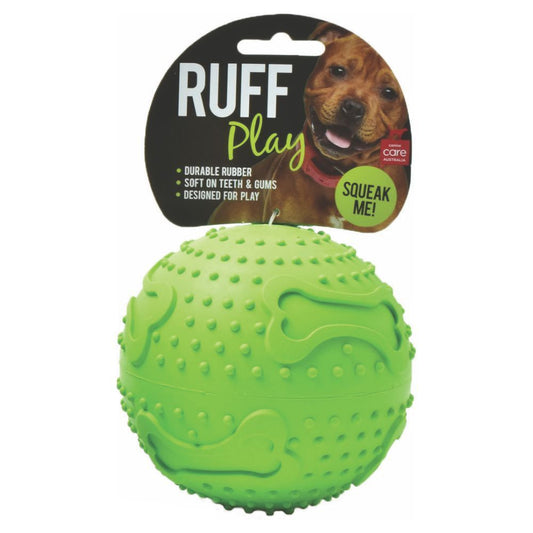
Dogs Tough Rubber Squeaker Ball Toy
Vendor:RUFF PlayRegular price From $6.44 AUDRegular price$9.19 AUDSale price From $6.44 AUDSale -
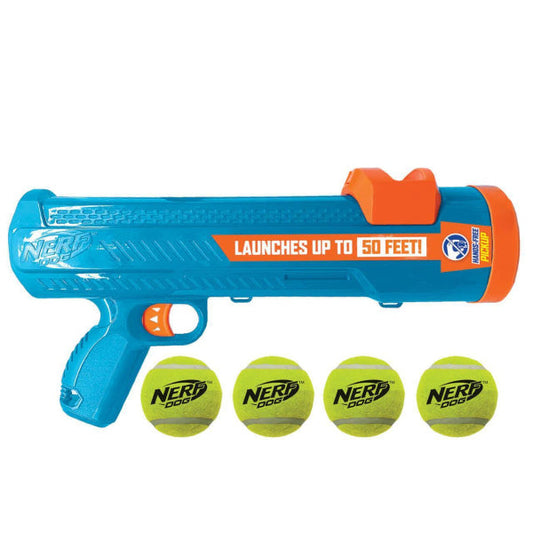
NERF DOG – Ball Blaster
Vendor:Nerf DogRegular price $51.90 AUDRegular price$71.56 AUDSale price $51.90 AUDSale -
Hugsmart – Zoo Ball – Super Ball Sloth
Vendor:HugsmartRegular price $11.03 AUDRegular price$15.75 AUDSale price $11.03 AUDSale -
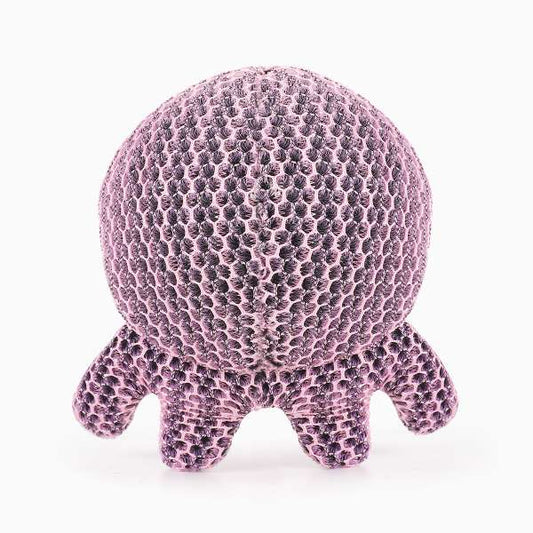
Hugsmart – Ocean Pals – Super Ball Octopus
Vendor:HugsmartRegular price $11.03 AUDRegular price$15.75 AUDSale price $11.03 AUDSale -
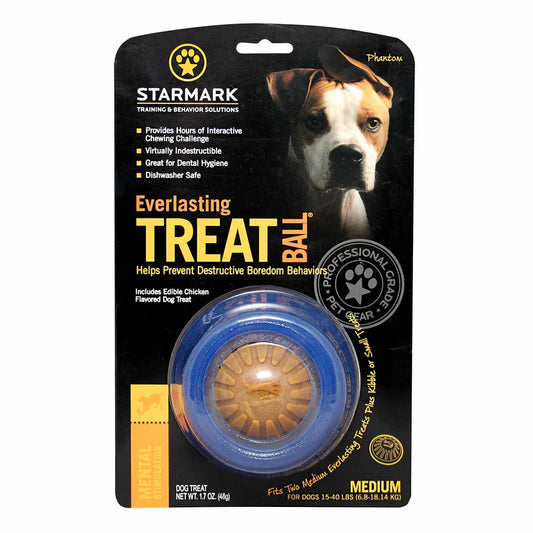
Starmark – Everlasting Treat Ball
Vendor:StarmarkRegular price From $12.86 AUDRegular price$18.38 AUDSale price From $12.86 AUDSale -
Starmark – Swing n' Fling – Durafoam Fetch Ball
Vendor:StarmarkRegular price From $11.03 AUDRegular price$15.75 AUDSale price From $11.03 AUDSale -
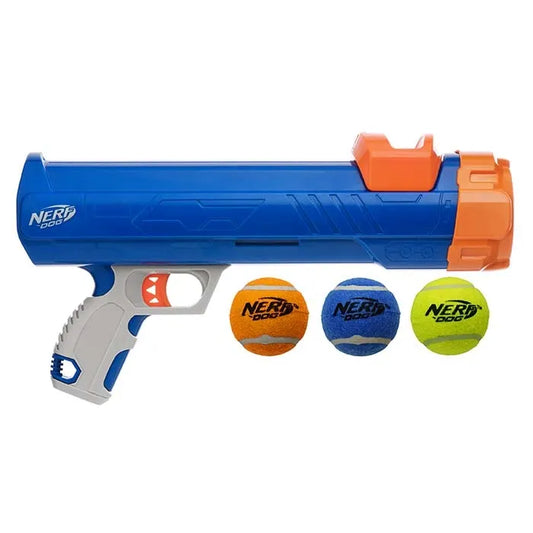
NERF DOG – Mini Tennis Ball Blaster Set
Vendor:Nerf DogRegular price $32.00 AUDRegular price$45.94 AUDSale price $32.00 AUDSold out -
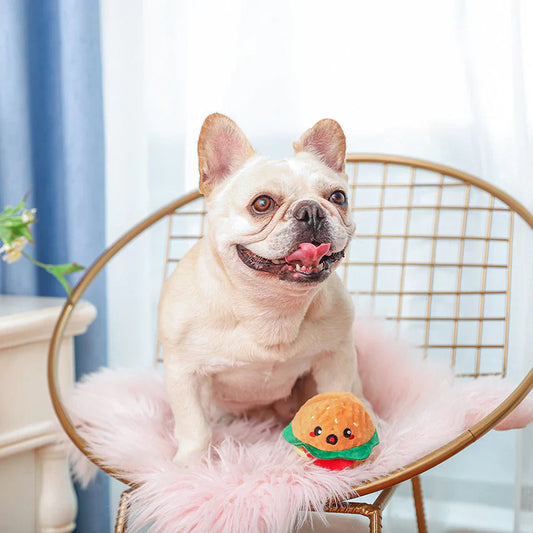
Hugsmart – Food Party – Super Ball Hamburger
Vendor:HugsmartRegular price $11.03 AUDRegular price$15.75 AUDSale price $11.03 AUDSale -
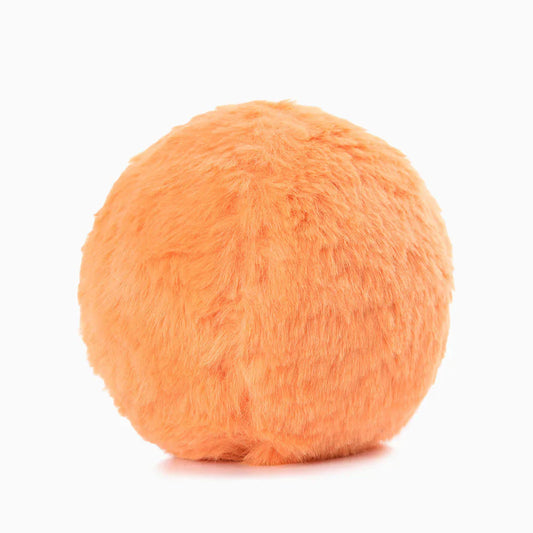
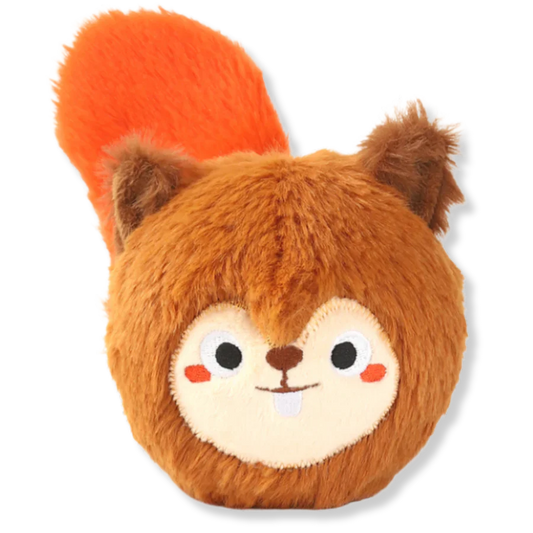
Hugsmart – Zoo Ball – Super Ball Squirrel
Vendor:HugsmartRegular price $11.03 AUDRegular price$15.75 AUDSale price $11.03 AUDSale -

 Sale
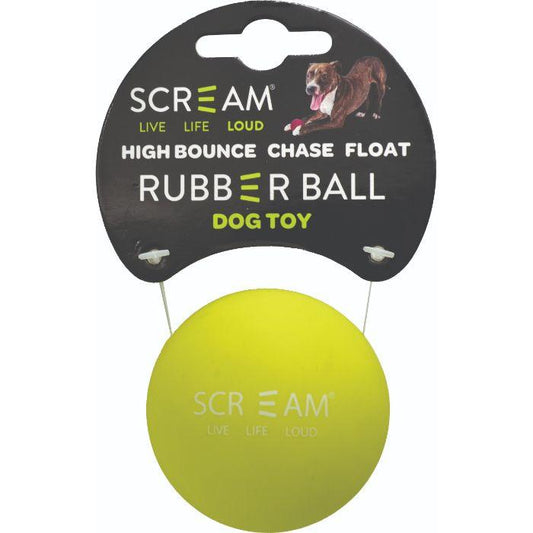
SaleScream – Rubber Ball
Vendor:ScreamRegular price From $8.90 AUDRegular price$13.13 AUDSale price From $8.90 AUDSale -
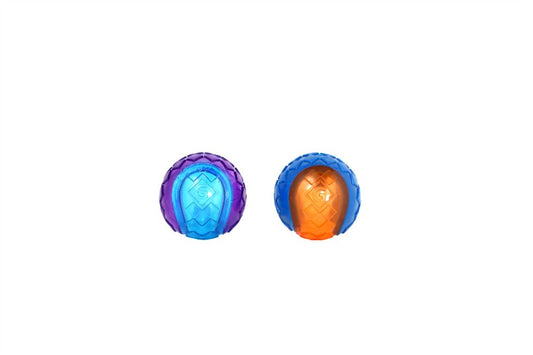
GiGwi – Original Ball
Vendor:GiGwiRegular price From $8.27 AUDRegular price$11.81 AUDSale price From $8.27 AUDSale -
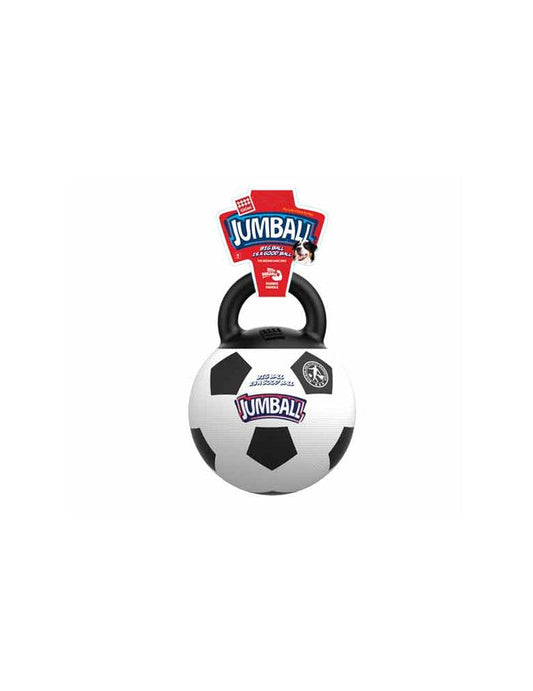
GiGwi – Jumball – Soccer Ball
Vendor:GiGwiRegular price $25.73 AUDRegular price$36.75 AUDSale price $25.73 AUDSale -
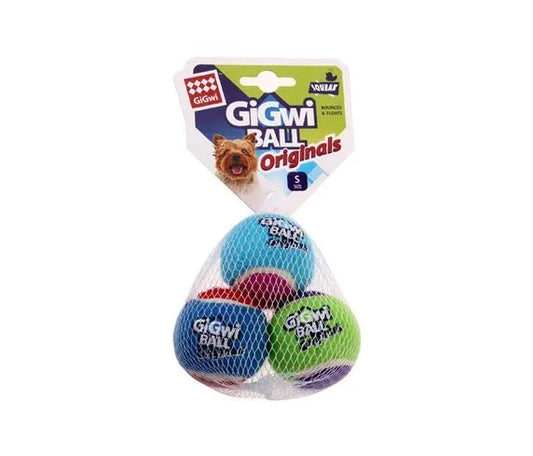
GiGwi – Originals Tennis Ball
Vendor:GiGwiRegular price From $6.44 AUDRegular price$9.19 AUDSale price From $6.44 AUDSale -
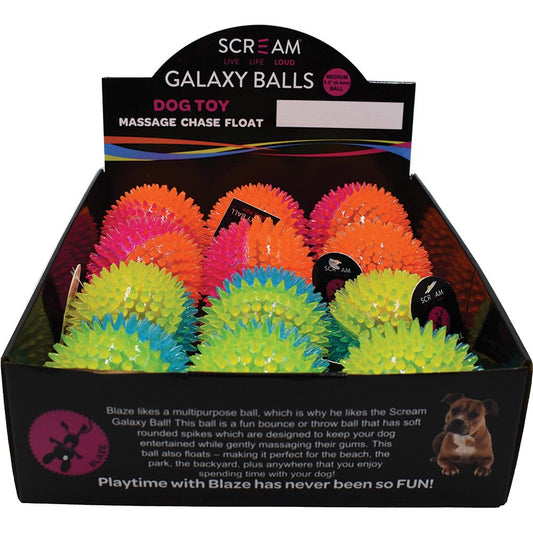
Scream - Galaxy Ball - Counter Display Box of 12
Vendor:ScreamRegular price $62.89 AUDRegular price -
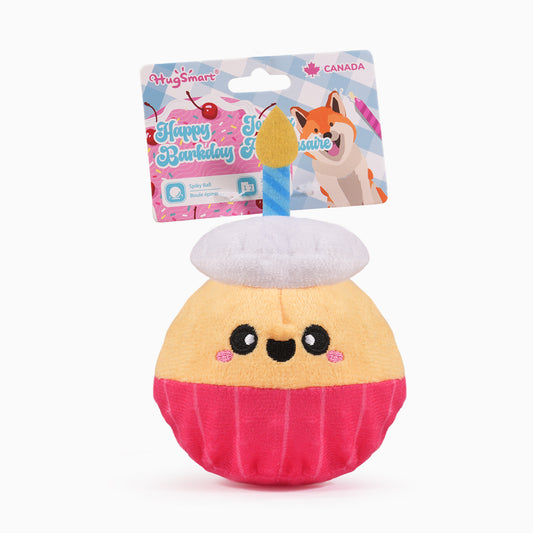
Hugsmart – Yappy Birthday – Super Ball Cupcake Dog Toy
Vendor:HugsmartRegular price $8.26 AUDRegular price -
Dogs Tough Ruff 'N' Roll – Soccer Ball
Vendor:RUFF PlayRegular price $9.19 AUDRegular price$13.13 AUDSale price $9.19 AUDSale -
NERF DOG – Squeak Tennis Balls
Vendor:Nerf DogRegular price $15.62 AUDRegular price$22.31 AUDSale price $15.62 AUDSale -
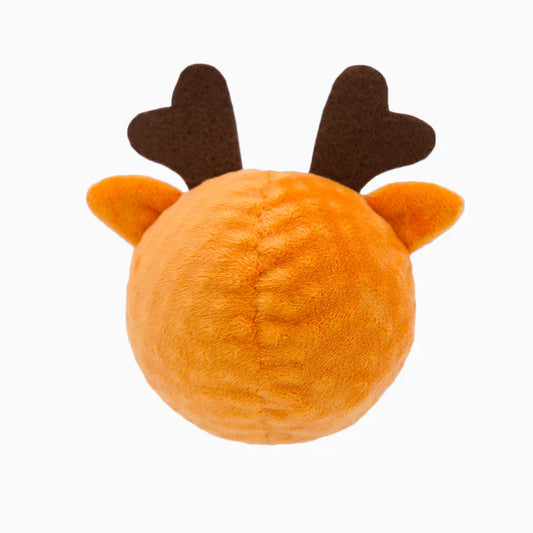
Happy Woofmas – Super Ball Reindeer Dog Toy
Vendor:HugsmartRegular price $11.03 AUDRegular price$15.75 AUDSale price $11.03 AUDSale -
Hugsmart – Zoo Ball – Super Ball Alpaca
Vendor:HugsmartRegular price $11.03 AUDRegular price$15.75 AUDSale price $11.03 AUDSale -
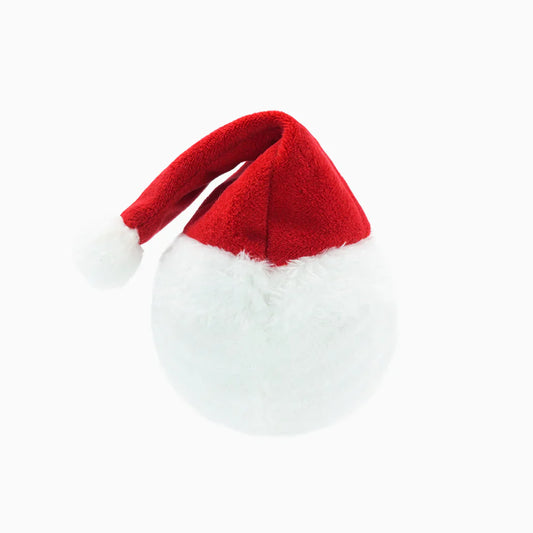
Happy Woofmas – Super Ball Santa Dog Toy
Vendor:HugsmartRegular price $11.03 AUDRegular price$15.75 AUDSale price $11.03 AUDSale























Balls and launchers for dogs from Chuckit!, KONG, Scream, RUFF Play, Nerf Dog, GiGwi and more. Rubber balls, glow balls, water balls, squeaky balls and throwing launchers, delivered Australia wide with full tracking.
Why a Launcher Changes the Game
A ball launcher does two things a human arm cannot. It throws further, which means a high energy dog gets a real workout in a fraction of the time and distance you would otherwise cover. And it picks the ball up without you touching it, which anyone who has spent a winter morning retrieving a slobbered tennis ball will appreciate.
For a working breed that is still bouncing after an hour's walk, twenty minutes of hard retrieving does more than double the walk. Fetch drains energy in a way that plodding does not, because the dog is sprinting, braking and turning rather than trotting.
Ball Size Is a Safety Decision
This is the single most important thing on this page. A ball must be too large to pass beyond your dog's back teeth. A ball that can get to the back of the throat can block the airway, and it happens fast enough that owners are often standing right there when it does.
Size up rather than down when you are between sizes, and reassess when a puppy grows. A ball that was correctly sized at six months may be a hazard at twelve. If you play fetch with more than one ball, keep spares in a pocket or bag rather than letting your dog carry two at once, because a second ball pushed to the back of the mouth by the first is a known way for this to go wrong.
The Tennis Ball Problem
Tennis balls are the default choice and they carry two risks worth knowing about.
The first is dental. The fuzz on a tennis ball is genuinely abrasive, and it picks up grit and sand from the ground which makes it more abrasive still. Over months and years of hard fetching this wears teeth down, a process dental vets call blunting, and in bad cases it wears through enough enamel to expose the pulp.
The second is mechanical. A dog with a strong jaw can compress or split a tennis ball, and half a tennis ball can lodge at the back of the throat and block the airway. Dogs that shred the felt can also swallow it, which risks an intestinal blockage.
None of that means never use one. It means a tennis ball is a supervised fetch toy rather than something to leave in the yard, and a purpose made rubber dog ball is the better default for a dog that chews as well as fetches.
Choosing the Right Ball
- Solid rubber for dogs that chew as well as fetch, and for anything approaching a power chewer
- Bouncy rubber for unpredictable bounce that keeps a smart dog engaged
- Floating balls for beach and river dogs, since a sinking ball ends the game
- Glow and high visibility balls for early starts and winter evenings
- Squeaky balls for dogs that need the extra prompt to chase
Also look at fetch toys more broadly if your dog prefers a disc or a tug-and-throw, and at durable toys if balls keep coming back in pieces.
Frequently Asked Questions
What size ball is safe for my dog?
One that is too big to pass your dog's back teeth and reach the throat. When in doubt go a size up, and check again as a puppy grows, since a ball that fitted safely at six months can become a choking hazard by twelve. Never let a dog hold two balls at once.
Are tennis balls bad for dogs?
They carry two real risks. The fuzz is abrasive and collects grit, which wears teeth down over time and can eventually expose the pulp. And a strong dog can split one, where half a ball is able to lodge in the throat and block the airway. Use them supervised for fetch, and choose a purpose made rubber ball for a dog that also chews.
Do I need a ball launcher?
Not strictly, but it makes a real difference for a high energy dog. It throws much further than you can, so the dog sprints more in less time, and it lets you pick up and throw without handling a wet ball. Match the launcher to the ball size, since most are built for a specific diameter.
My dog destroys every ball. What should I get?
A solid rubber ball designed for power chewers rather than a hollow or felt covered one. Size up as well, since a larger ball is harder to get molars around. If balls are still coming back in pieces, the dog is treating it as a chew toy and should have a proper chew instead.
What is the best ball for water?
One that floats and is visible against water. A ball that sinks ends the game immediately, and a dark ball on dark water is hard for both of you to track. Rinse salt and sand off afterwards, since grit embedded in a ball is what abrades teeth.