
-

 Sold out
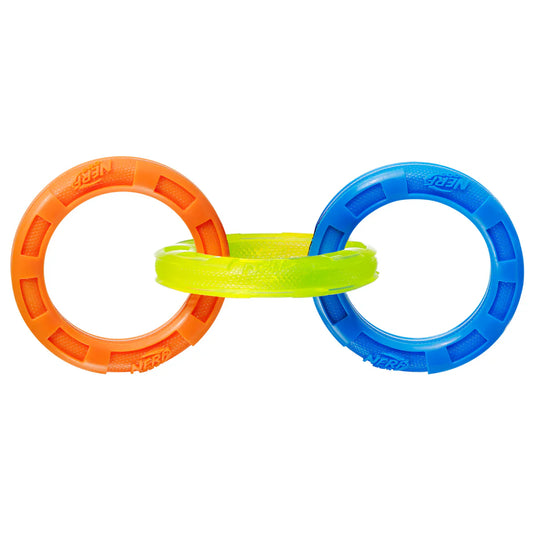
NERF DOG – 3 Ring Tug
Vendor:Nerf DogRegular price $17.00 AUDRegular price$31.50 AUDSale price $17.00 AUDSold out -
Boomer Ball – The Ultimate Indestructible Dog Toy
Vendor:Company of AnimalsRegular price From $11.03 AUDRegular price$15.75 AUDSale price From $11.03 AUDSale -
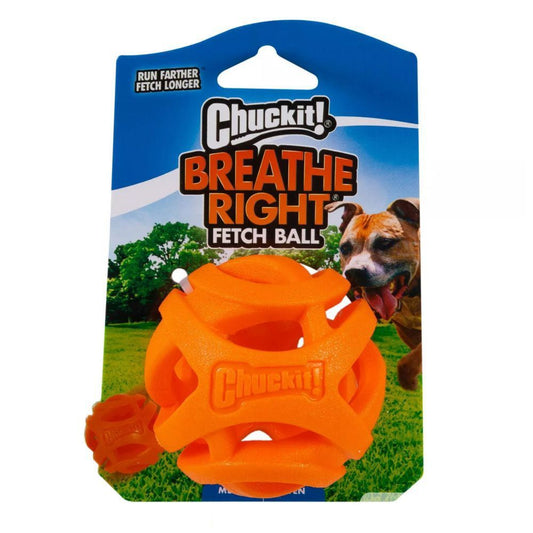
Chuckit! Breathe Right Fetch Ball
Vendor:Chuckit!Regular price From $9.19 AUDRegular price$13.13 AUDSale price From $9.19 AUDSale -

 Sale
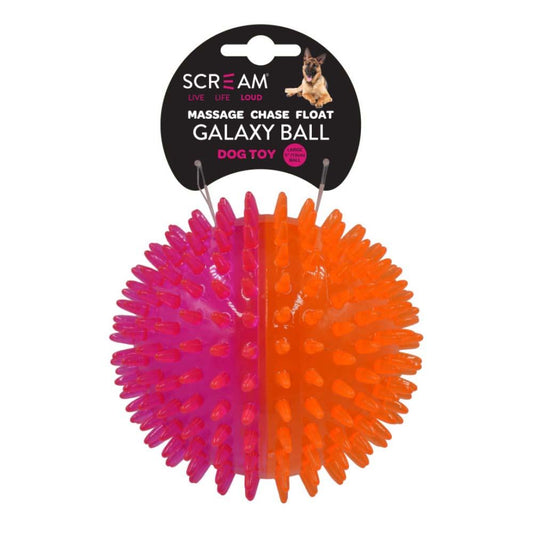
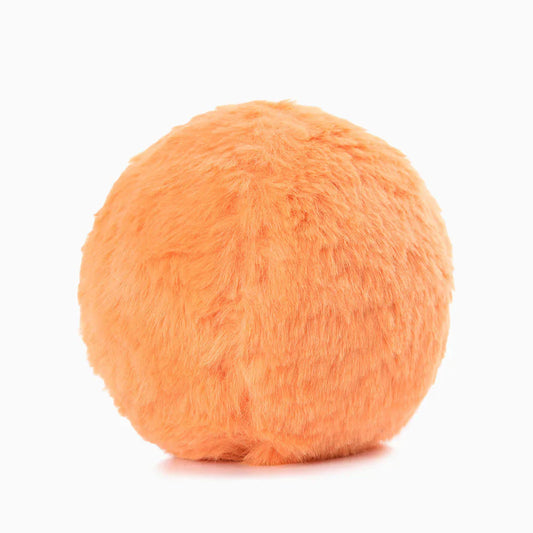
SaleScream – Galaxy Ball
Vendor:ScreamRegular price From $5.51 AUDRegular price$7.88 AUDSale price From $5.51 AUDSale -
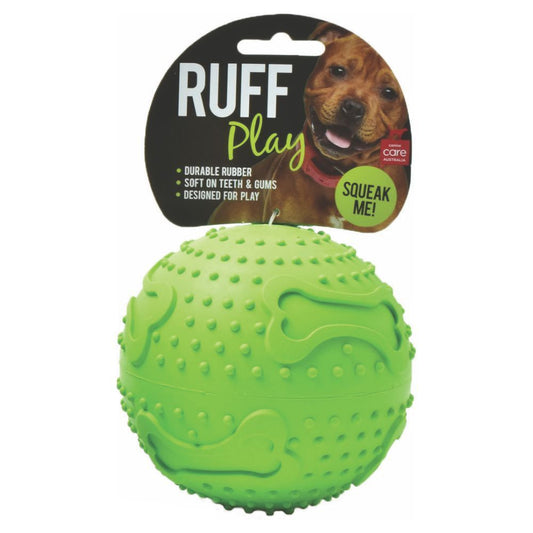
Dogs Tough Rubber Squeaker Ball Toy
Vendor:RUFF PlayRegular price From $6.44 AUDRegular price$9.19 AUDSale price From $6.44 AUDSale -
Dogs Tough Foam - Treat Rugby Toy
Vendor:RUFF PlayRegular price $9.80 AUDRegular price$13.13 AUDSale price $9.80 AUDSale -
 Sold out
Tonka – Infinity Chew Tug
Vendor:TonkaRegular price $23.89 AUDRegular price$34.13 AUDSale price $23.89 AUDSold out -
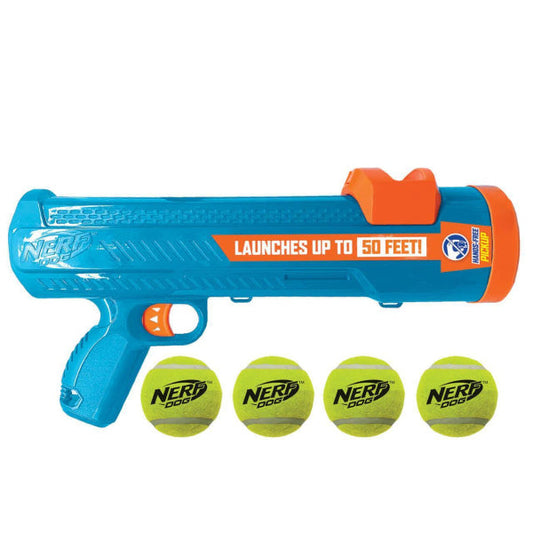
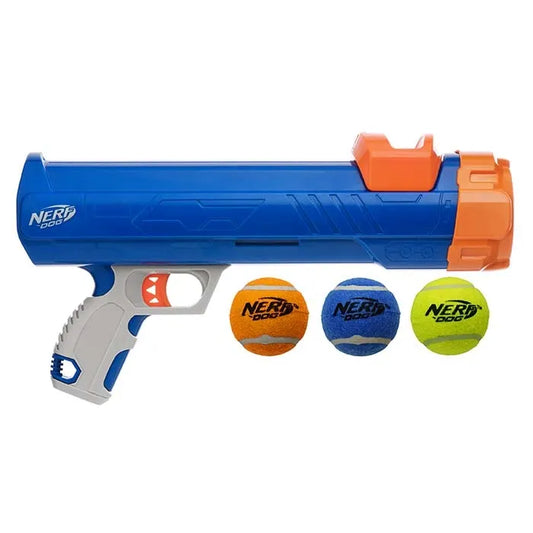
NERF DOG – Ball Blaster
Vendor:Nerf DogRegular price $51.90 AUDRegular price$71.56 AUDSale price $51.90 AUDSale -
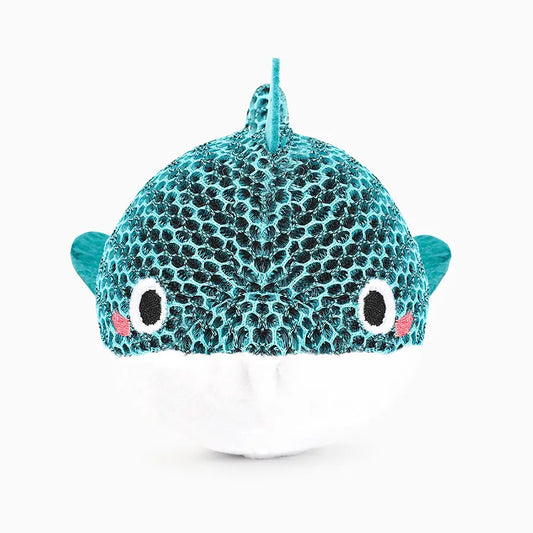
Hugsmart – Ocean Pals – Dolphin
Vendor:HugsmartRegular price $11.03 AUDRegular price$15.75 AUDSale price $11.03 AUDSale -
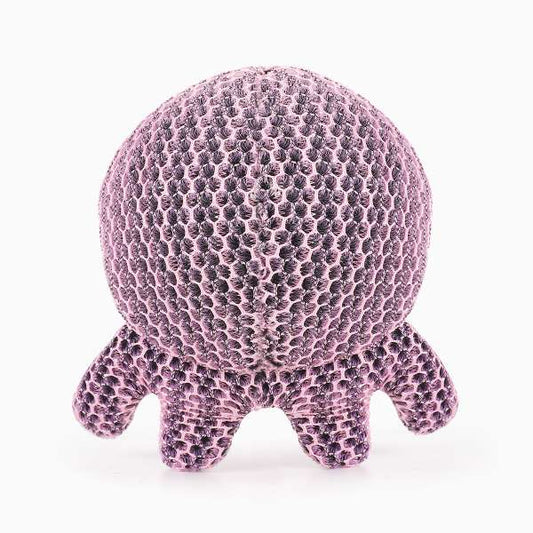
Hugsmart – Ocean Pals – Super Ball Octopus
Vendor:HugsmartRegular price $11.03 AUDRegular price$15.75 AUDSale price $11.03 AUDSale -
Hugsmart – Zoo Ball – Super Ball Sloth
Vendor:HugsmartRegular price $11.03 AUDRegular price$15.75 AUDSale price $11.03 AUDSale -
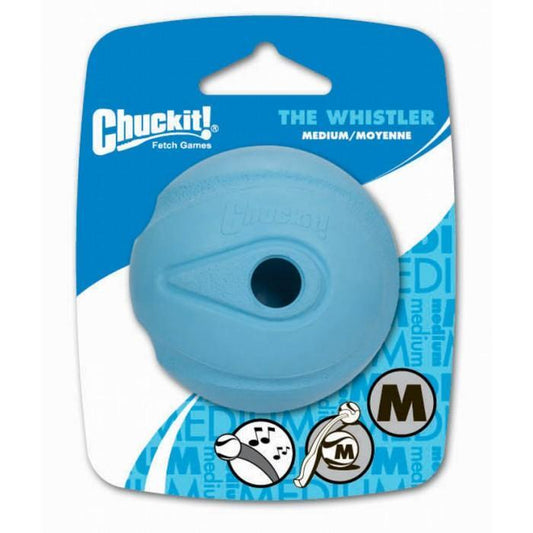
Chuckit! – Whistler Bal
Vendor:Chuckit!Regular price From $11.95 AUDRegular price$17.06 AUDSale price From $11.95 AUDSale -
Chuckit! – Paraflight
Vendor:Chuckit!Regular price $21.14 AUDRegular price$30.19 AUDSale price $21.14 AUDSale -
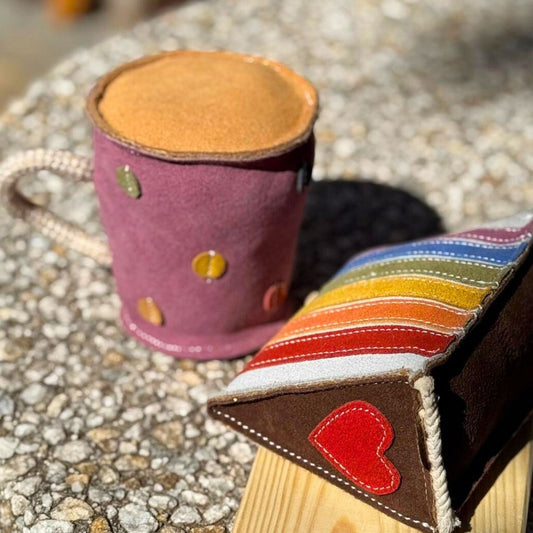
Georgie Paws – Tea In A Mug
Vendor:Georgie PawsRegular price $20.21 AUDRegular price$28.88 AUDSale price $20.21 AUDSale -
Starmark – Swing n' Fling – Durafoam Fetch Ball
Vendor:StarmarkRegular price From $11.03 AUDRegular price$15.75 AUDSale price From $11.03 AUDSale -
 Sale
SaleTonka – Tire Barbell
Vendor:TonkaRegular price $23.89 AUDRegular price$34.13 AUDSale price $23.89 AUDSale -
Tonka – Seismic Tread Tyre
Vendor:TonkaRegular price $23.89 AUDRegular price$34.13 AUDSale price $23.89 AUDSale -
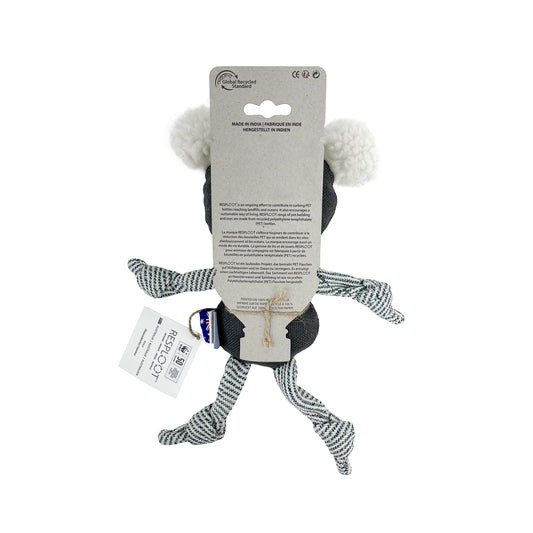
Resploot – Koala Dog Toy
Vendor:ResplootRegular price $13.00 AUDRegular price$15.75 AUDSale price $13.00 AUDSale -

 Sale
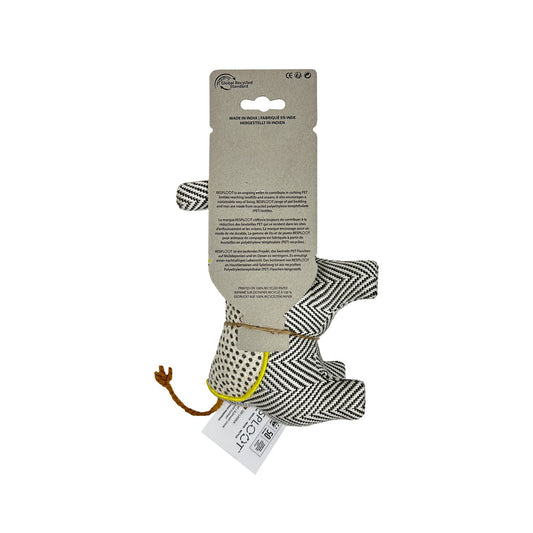
SaleResploot – Elephant
Vendor:ResplootRegular price $13.00 AUDRegular price$15.75 AUDSale price $13.00 AUDSale -
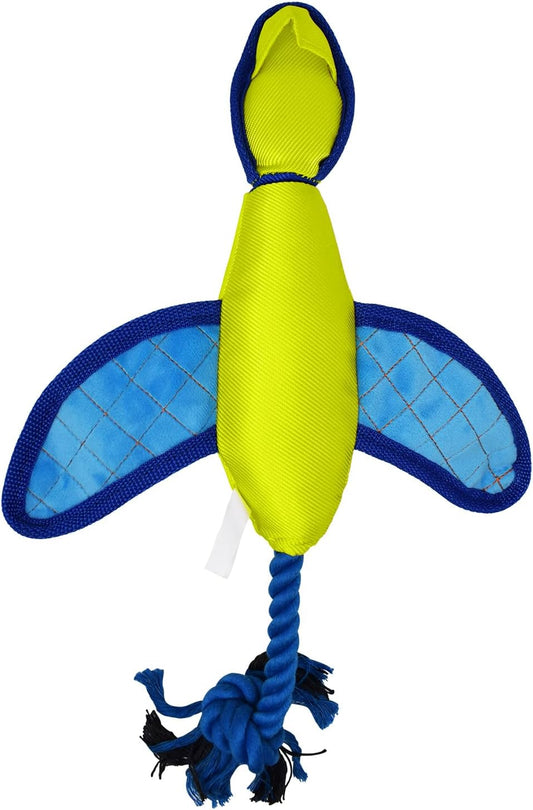
NERF DOG – Crinkle & Squeak Duck
Vendor:Nerf DogRegular price $15.00 AUDRegular price$28.88 AUDSale price $15.00 AUDSale -
NERF DOG – Mini Tennis Ball Blaster Set
Vendor:Nerf DogRegular price $32.00 AUDRegular price$45.94 AUDSale price $32.00 AUDSold out -
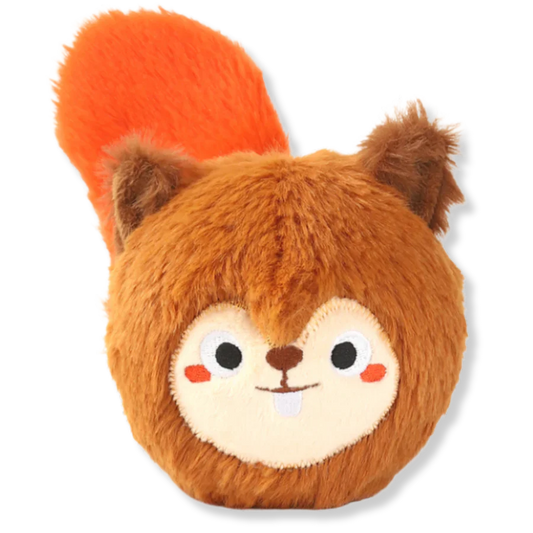
Hugsmart – Zoo Ball – Super Ball Squirrel
Vendor:HugsmartRegular price $11.03 AUDRegular price$15.75 AUDSale price $11.03 AUDSale -
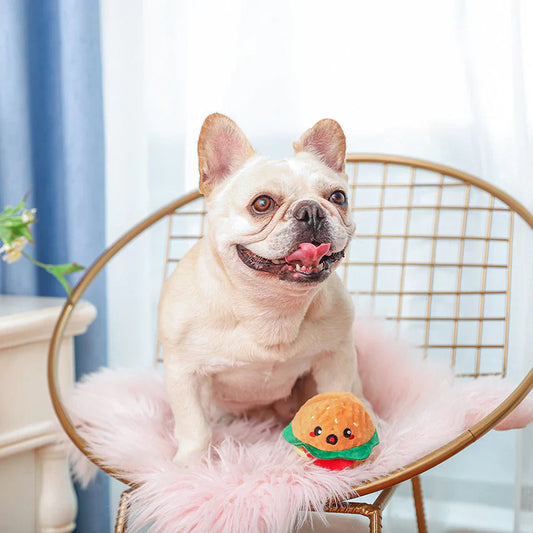
Hugsmart – Food Party – Super Ball Hamburger
Vendor:HugsmartRegular price $11.03 AUDRegular price$15.75 AUDSale price $11.03 AUDSale -
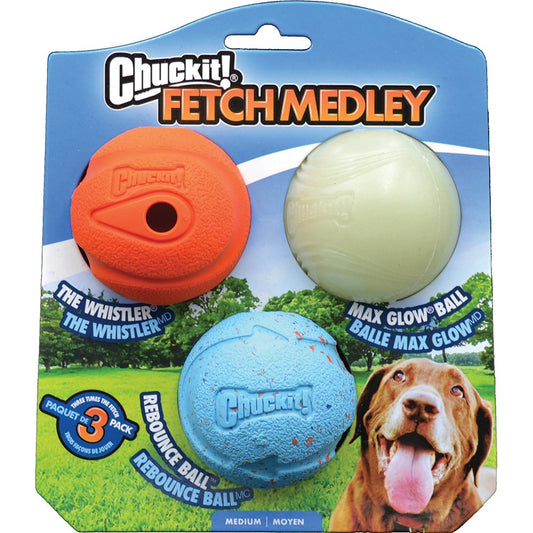
Chuckit! – Fetch Medley
Vendor:Chuckit!Regular price From $24.81 AUDRegular price$35.44 AUDSale price From $24.81 AUDSale




















95 fetch toys for dogs from Chuckit!, KONG, Nerf Dog, RUFF Play, Scream, GiGwi and Zippy Paws. Balls, flying discs, tug-and-throw toys, floating toys and bumpers, dispatched Australia wide with full tracking.
The Best Exercise Most Owners Can Actually Get To
Fetch has an unusual property: it is one of the few things you can do with a dog where the dog does almost all the work. You stand still and throw, and the dog accelerates, brakes, turns and sprints back. Twenty minutes of that costs the dog far more than twenty minutes of walking, because the energy cost of running flat out and stopping hard is not remotely comparable to trotting at a steady pace.
For most people the limit on exercising a dog is not willingness, it is time. Fetch is the highest return per minute available in a suburban backyard or on a patch of oval before work, which is why it matters for working breeds, adolescent dogs and anyone whose dog is still wired after a long walk.
Two cautions before the fun part. Fetch is hard on joints, so warm up with a few short throws before any long ones, and do not do it on wet grass, tiles or anything slippery. And know when to stop. Many dogs, particularly the obsessive ones, will keep bringing the ball back long past the point where they are sore or overheating, so you have to end the game rather than waiting for the dog to.
What the Different Fetch Toys Are For
Balls
The default, and the right default for most dogs. A ball bounces unpredictably, travels a long way with a launcher, and is easy to carry. The only thing that really matters is diameter: the ball must be too big to pass your dog's back teeth and reach the throat. Size up when between sizes, and reassess as a puppy grows. There is more detail on materials and sizing in balls and launchers, including why a launcher meaningfully extends the range.
Discs and flying toys
Discs travel further, hang in the air, and reward a dog that likes to track and time a catch. Two things make them safer. Choose a flexible rubber or fabric disc rather than a hard plastic one, because a hard rim hitting teeth at speed chips them and a hard edge is unkind on the gums. And throw low and flat rather than high. A dog leaping vertically for a disc lands twisted, on its hind legs, with no ability to control the landing, and that is how cruciate and back injuries happen. A disc skimming at knee height gives you the same catch with the dog's feet under it.
Tug-and-throw toys
A ball or ring on a rope, or a bumper with a handle. These suit dogs that do not want the game to end when the toy lands, because the retrieve leads straight into a tug, which is the reward. They also throw further by hand than a bare ball, so they are useful if you do not want a launcher. Keep tug controlled: low to the ground, side to side rather than up, and let the dog win sometimes.
Floating toys
For beach and river dogs, buoyancy is the whole specification. A toy that sinks ends the game and can encourage a dog to duck its head under and swallow water. Bright colours help you both track it on dark water, and salt and sand should be rinsed off afterwards, since grit embedded in a toy is abrasive against teeth. Swimming is also the fetch variant of choice for older dogs and dogs with sore joints, because there is no impact.
Teaching a Dog That Does Not Fetch
Plenty of dogs chase the ball, get to it, and then stand there looking at you, or take it away and lie down with it. This is not stubbornness, it is a missing link in the chain. Break it into pieces.
Start by building interest in the toy itself rather than the throw. Move it along the ground away from the dog, let the dog grab it, and make a fuss. Only once the dog wants the toy do you start throwing, and then throw one metre, not twenty. Reward the pickup, not the return. Once the dog reliably picks it up, back away as it turns, because a dog will usually follow a retreating person, and praise it the moment it arrives whether or not it lets go.
For the dog that will not give the toy back, the two-toy trade is the fix and it works almost every time. Carry two identical toys. When the dog comes back holding the first one, show it the second and throw that immediately. The dog drops the first without being asked, because the moving toy is always better than the one in its mouth. Pick up the dropped toy while the dog is running, and repeat. Within a few sessions most dogs are dropping the toy at your feet in anticipation. Chasing a dog to take the toy off it teaches the opposite lesson, which is that keeping away from you is the game.
Frequently Asked Questions
How do I teach my dog to fetch?
Build value in the toy before you build distance. Drag it along the ground away from the dog until the dog wants to grab it, then throw only a metre or two and reward the pickup rather than the return. Once the dog reliably collects it, back away as it turns so it follows you in, and praise the arrival even if it does not let go yet. Adding distance comes last.
My dog will not bring the ball back. What do I do?
Use two identical toys. When your dog returns with the first, show the second and throw it straight away. The dog will drop what it is holding because a moving toy beats a stationary one, and you collect the dropped toy while it runs. Repeat this and most dogs start dropping the toy at your feet on their own. Never chase your dog to get the toy back, since that turns keep-away into the game.
Are frisbees safe for dogs?
A flexible rubber or fabric disc is, a hard plastic one is less so, because a rigid rim striking teeth at speed can chip them. Throw low and flat rather than high, so the dog runs onto the catch with its feet under it. High throws make dogs leap and twist, and they land badly, which is a common cause of cruciate and back injuries.
How long should a fetch session be?
Shorter than your dog would choose. Start with a few gentle throws as a warm up, keep the session to around fifteen or twenty minutes of hard work, and stop while the dog still looks comfortable. Obsessive retrievers will play past the point of soreness and overheating, so ending the game is your job. Avoid slippery surfaces and skip hard fetch entirely on hot days.
What fetch toy is best for water?
Anything that floats and is easy to see. A sinking toy ends the game and encourages a dog to submerge its head, and a dark toy is hard to track on dark water. Rinse off salt and sand afterwards, because grit held in a toy wears teeth down. Swimming fetch is also the gentlest option for older or arthritic dogs since there is no impact.
My dog chews the fetch toy instead of retrieving it. What should I buy?
That dog is telling you it wants to chew rather than run. Give it something from the chew range for the jaw work, and keep fetch toys for supervised fetch only. If it chews everything, look at solid rubber built for power chewers and go up a size.