
-
Georgie Paws – Larry Lizard
Vendor:Georgie PawsRegular price $20.21 AUDRegular price$28.88 AUDSale price $20.21 AUDSale -
Georgie Paws – Mary the Lamb
Vendor:Georgie PawsRegular price $20.21 AUDRegular price$28.88 AUDSale price $20.21 AUDSale -
 Sale
SaleGeorgie Paws – Ball
Vendor:Georgie PawsRegular price $19.30 AUDRegular price$27.56 AUDSale price $19.30 AUDSale -

 Sold out
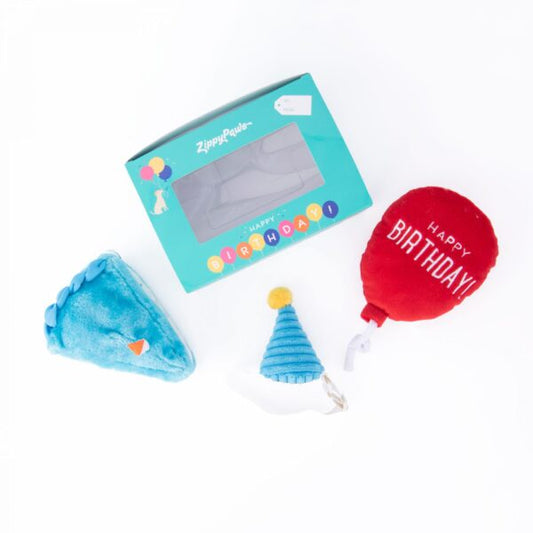
Dogs Plush Toy Birthday Box
Vendor:Zippy PawsRegular price $23.89 AUDRegular price$34.13 AUDSale price $23.89 AUDSold out -
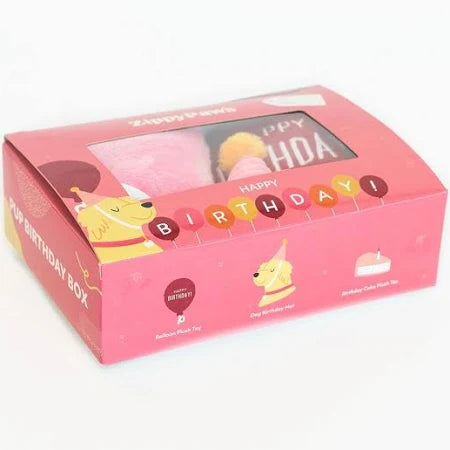
Dogs Plush Toy Birthday Box
Vendor:Zippy PawsRegular price $24.81 AUDRegular price$35.44 AUDSale price $24.81 AUDSale -
Paw Play – Stretch Rope – 3 Knot
Vendor:Paw PlayRegular price $8.27 AUDRegular price$11.81 AUDSale price $8.27 AUDSale -
Paw Play – Stretch Rope – Bone
Vendor:Paw PlayRegular price From $4.05 AUDRegular price$10.50 AUDSale price From $4.05 AUDSale -
Tonka – Tri Stack Feeder
Vendor:TonkaRegular price From $20.99 AUDRegular price$28.88 AUDSale price From $20.99 AUDSale -
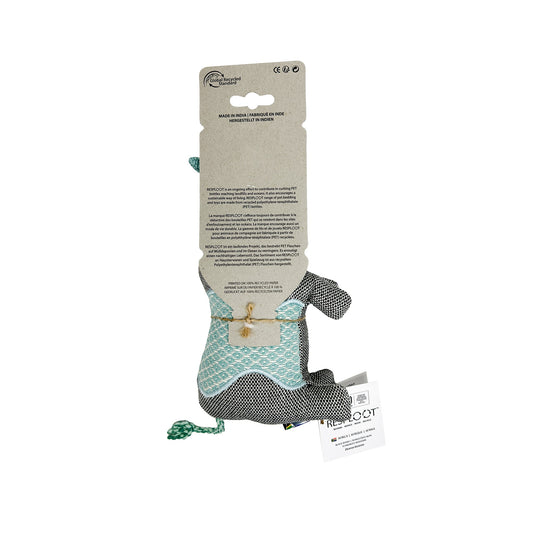
Resploot – Black Rhino
Vendor:ResplootRegular price $13.00 AUDRegular price$15.75 AUDSale price $13.00 AUDSale -
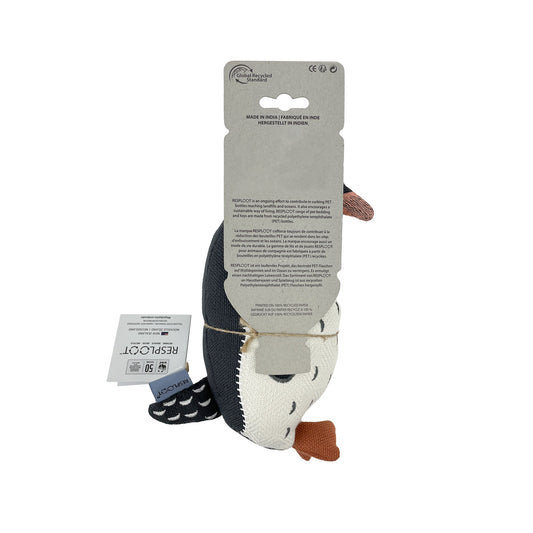
Resploot – Yellow Eyed Penguin
Vendor:ResplootRegular price $13.00 AUDRegular price$18.38 AUDSale price $13.00 AUDSale -
Hugsmart – Zoo Ball – Super Ball Alpaca
Vendor:HugsmartRegular price $11.03 AUDRegular price$15.75 AUDSale price $11.03 AUDSale -
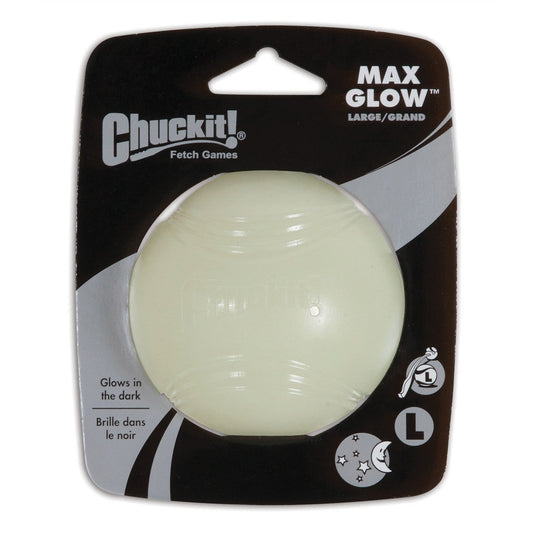
Chuckit! – Max Glow Ball
Vendor:Chuckit!Regular price From $8.27 AUDRegular price$11.81 AUDSale price From $8.27 AUDSale -
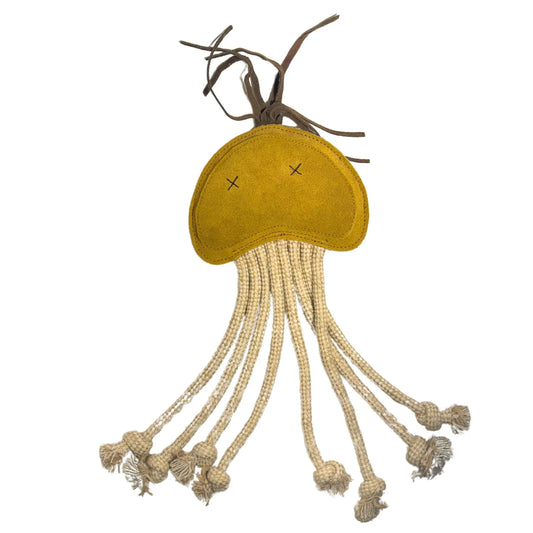
Georgie Paws – Joe Jellyfish
Vendor:Georgie PawsRegular price From $19.41 AUDRegular price$28.88 AUDSale price From $19.41 AUDSale -
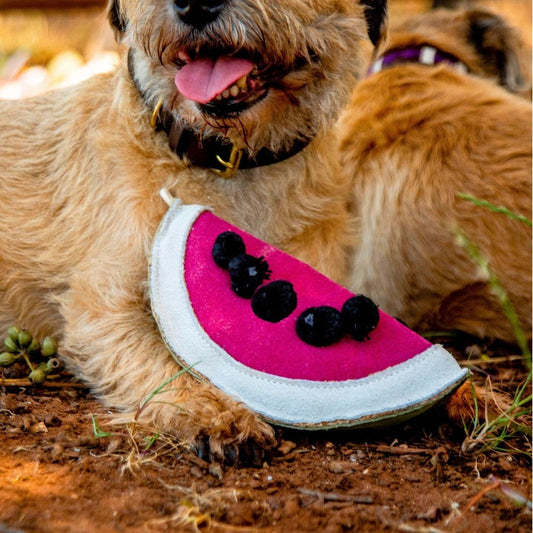
Georgie Paws – Wendy the Watermelon
Vendor:Georgie PawsRegular price $20.21 AUDRegular price$28.88 AUDSale price $20.21 AUDSale -
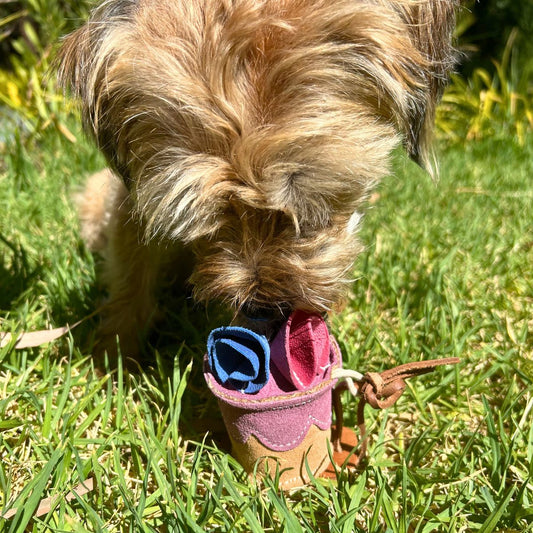
Georgie Paws – Pixi Cake
Vendor:Georgie PawsRegular price $20.21 AUDRegular price$28.88 AUDSale price $20.21 AUDSale -
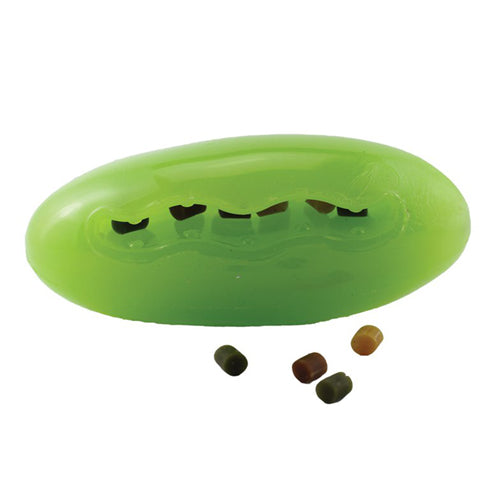
Starmark – Treat Dispensing Pickle Pocket
Vendor:StarmarkRegular price $19.30 AUDRegular price$27.56 AUDSale price $19.30 AUDSold out -
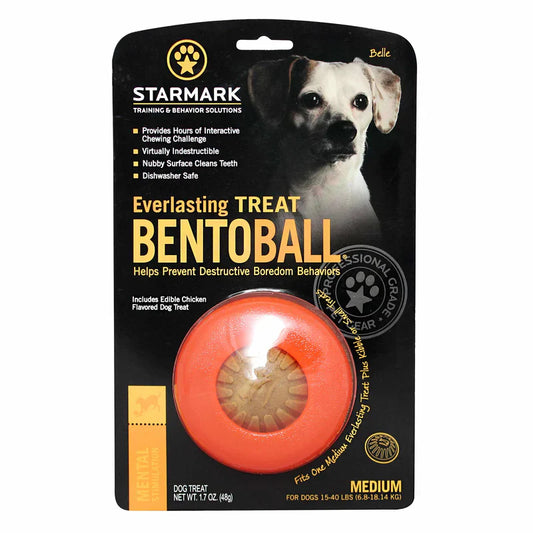
Starmark – Everlasting Bento Ball
Vendor:StarmarkRegular price From $11.95 AUDRegular price$17.06 AUDSale price From $11.95 AUDSale -
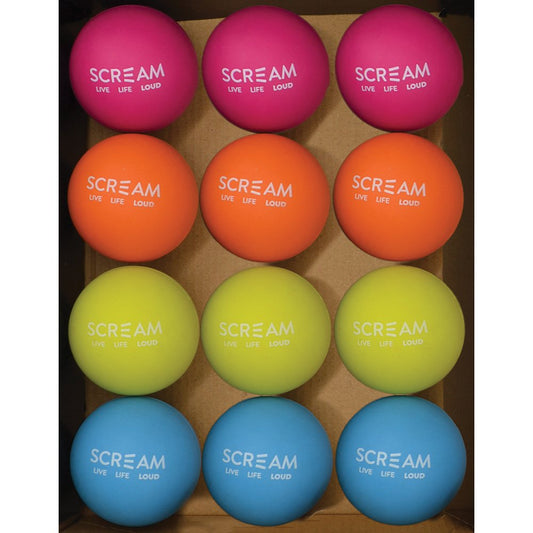
Pets Rubber Ball – Box of 12
Vendor:ScreamRegular price $92.00 AUDRegular price$120.75 AUDSale price $92.00 AUDSale -

 Sold out
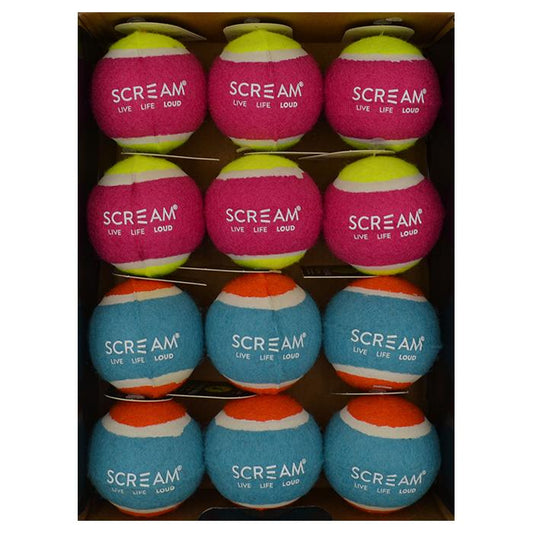
Pets Tennis Balls – Box of 12
Vendor:ScreamRegular price $40.43 AUDRegular price$57.75 AUDSale price $40.43 AUDSold out -
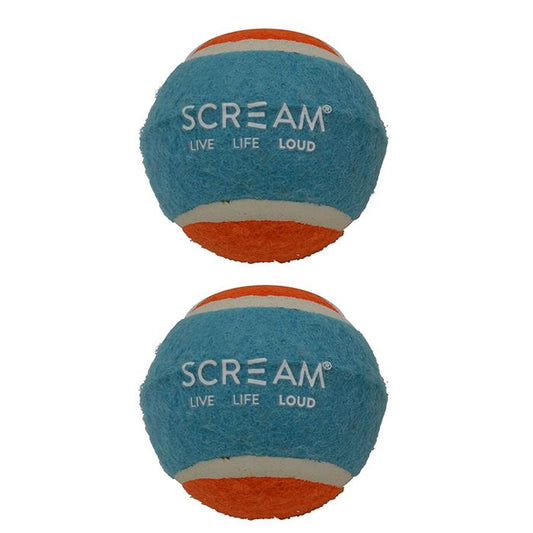
Pets Tennis Ball - 2 Pack
Vendor:ScreamRegular price $8.27 AUDRegular price$11.81 AUDSale price $8.27 AUDSale -
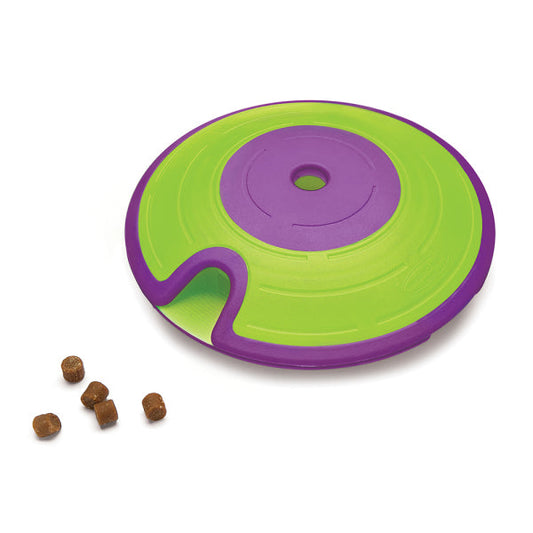
Outward Hound – Nina Ottosson – Dog Treat Maze (Level 2)
Vendor:Outward HoundRegular price $21.14 AUDRegular price$30.19 AUDSale price $21.14 AUDSold out -

 Sold out
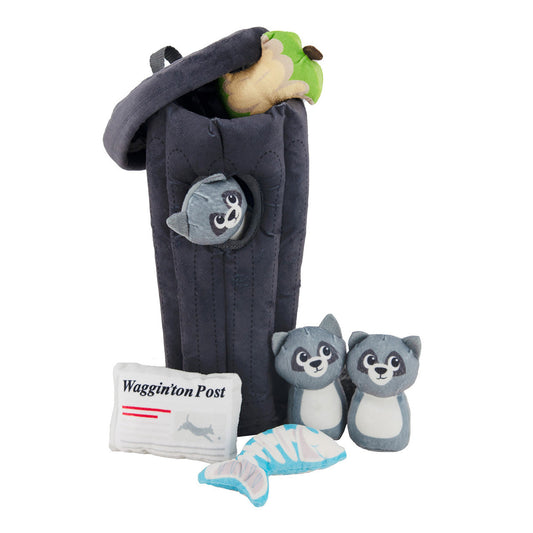
Outward Hound – Hide-A-Raccoon
Vendor:Outward HoundRegular price $41.35 AUDRegular price$59.06 AUDSale price $41.35 AUDSold out -
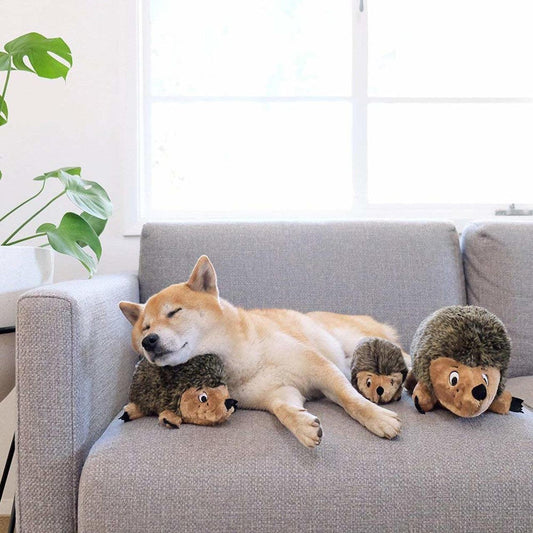
Outward Hound – Plush Hedgehogz
Vendor:Outward HoundRegular price From $10.11 AUDRegular price$14.44 AUDSale price From $10.11 AUDSale -
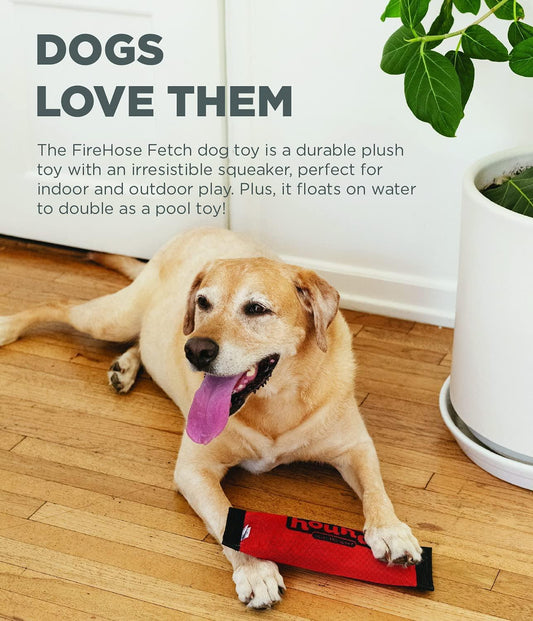
Outward Hound – Firehose Fetch
Vendor:Outward HoundRegular price From $11.95 AUDRegular price$17.06 AUDSale price From $11.95 AUDSale



















Celeste Pets stocks over 260 toys for dogs, cats and birds from GiGwi, Hugsmart, Chuckit!, KONG, Benebone, RUFF Play, Nerf Dog, Outward Hound, Zippy Paws, Georgie Paws, Starmark, Petstages and more, with fast tracked delivery Australia wide.
Why Toys Are Not Optional
A bored dog is not a naughty dog, it is an under-occupied one. Chewing, digging and shredding are normal behaviours that have to go somewhere, and the cheapest way to keep them off your shoes and skirting boards is to give them a legitimate target. The same is true of cats: a cat that never gets to stalk and pounce will find something else to hunt, usually your ankles at six in the morning.
Play also does real work for an animal's head, not just its body. Ten minutes working a treat puzzle tires a dog more than a walk around the block, which is why enrichment toys are a standard recommendation for dogs that are anxious, recovering from surgery, or stuck inside on a hot day.
Shop Toys by Type
- Chew Toys for dogs that need something to work on
- Fetch Toys for the park and the backyard
- Balls and Launchers for dogs that never get tired of retrieving
- Interactive Toys for enrichment, puzzles and treat dispensing
- Plush Toys for comfort, carrying and gentle play
- Durable Toys built for determined chewers
- Cat Toys including wands, catnip and solo play
How to Choose a Toy That Lasts and Is Safe
Two things decide whether a toy works: whether it survives your animal, and whether it is safe while doing so. Those pull in opposite directions, and the mistake most owners make is chasing the first one and forgetting the second.
The hardness problem
A toy hard enough to be truly indestructible is usually hard enough to break a tooth. Veterinary guidance is to avoid anything harder than your dog's teeth. Three quick tests you can do in the shop or at home:
- The thumbnail test. Press the toy with your thumbnail. If it does not give at all, it is too hard.
- The knee cap rule. Tap it against your own kneecap. If that hurts, it is too hard or too heavy for your dog.
- The hammer rule. If you could not drive a nail into it, your dog should not be chewing it.
This is why antlers, hooves and hard bones cause so many fractured teeth. A slab fracture of a carnassial tooth is a general anaesthetic and an extraction, and it usually happens on a toy the owner chose precisely because it seemed to last forever.
Size and supervision
A toy should be too big to swallow and too big to lodge at the back of the throat. That is a bigger margin than most people allow, particularly for balls. Supervise any new toy until you have seen how your animal treats it, and retire a toy once it starts coming apart. Specific things to act on: blood on a chew toy, a chunk missing, a squeaker exposed, or rope strands being pulled out and eaten.
Rotate rather than accumulate
Animals habituate. Five toys available all the time are less interesting than the same five rotated in pairs, put away for a fortnight and brought back out. It costs nothing and it is the difference between a toy box that gets used and one that gets ignored.
Frequently Asked Questions
How do I know if a chew toy is too hard for my dog?
Press it with your thumbnail. If it does not give at all, it is too hard and risks fracturing a tooth. Another check is to tap it against your kneecap: if it hurts you, it is too hard for your dog. Veterinary advice is to avoid anything harder than the dog's own teeth, which rules out most antlers, hooves and hard bones.
What size toy should I buy?
Big enough that your dog cannot fit it entirely in their mouth or get it to the back of the throat. When you are between sizes, go up. Undersized balls are the most common size mistake and the most dangerous one, because a ball that can pass the teeth can block an airway.
When should I throw a toy away?
As soon as it starts losing pieces. Squeakers working loose, stuffing coming out, rope strands being swallowed, chunks missing from a rubber toy, or any blood on a chew are all signs to remove it. A toy that is coming apart is an intestinal blockage waiting to happen.
My dog destroys everything. What should I buy?
Look at the durable range rather than buying cheaper toys more often, but do not go to the hardest thing on the shelf. The aim is a toy that outlasts your dog's jaw without being harder than their teeth. Solid rubber and natural nylon designed for power chewers hit that balance; plush toys, however they are marketed, will not survive a determined chewer.
How many toys does my pet need?
Fewer than you think, rotated more often than you think. Keep a small set available and swap them every week or two rather than leaving everything out permanently. Novelty is most of what makes a toy interesting.
Do you deliver toys Australia wide?
Yes. Orders are dispatched within 1 to 2 business days with full tracking. Metro areas typically receive orders in 3 to 5 business days, regional areas in 5 to 8, and remote areas in 7 to 10. Every purchase is backed by a 14 day return policy.