
-
pH Test Kit for Aquarium – Freshwater PH Test Kit
Vendor:Blue PlanetRegular price From $12.86 AUDRegular price$18.38 AUDSale price From $12.86 AUDSale -
API pH Test and Adjuster Kit Freshwater Aquarium
Vendor:APIRegular price $22.05 AUDRegular price$31.50 AUDSale price $22.05 AUDSold out -
Tetra EasyStrips 6-in-1 Aquarium Test Strips
Vendor:TetraRegular price From $22.97 AUDRegular price$32.81 AUDSale price From $22.97 AUDSold out -
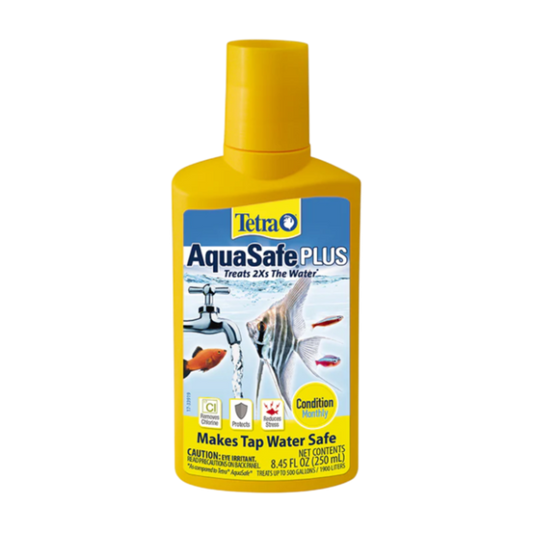
Tetra AquaSafe Plus Aquarium Water Conditioner
Vendor:TetraRegular price From $8.27 AUDRegular price$11.81 AUDSale price From $8.27 AUDSale -
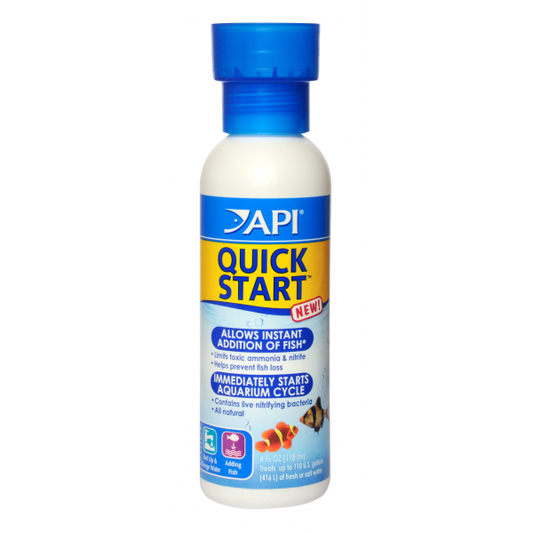
API Quick Start Nitrifying Bacteria Aquarium Starter
Vendor:APIRegular price From $17.46 AUDRegular price$24.94 AUDSale price From $17.46 AUDSale -
API MelaFix Antibacterial Fish Treatment
Vendor:APIRegular price $17.46 AUDRegular price$24.94 AUDSale price $17.46 AUDSale -
Pet Worx Premium Activated Carbon Aquarium Filter Media
Vendor:Pet WorxRegular price $12.18 AUDRegular price -
API CO2 Booster Liquid Carbon for Planted Freshwater Aquariums
Vendor:APIRegular price $17.54 AUDRegular price -
API Leaf Zone Freshwater Aquarium Plant Fertiliser
Vendor:APIRegular price $14.70 AUDRegular price$21.00 AUDSale price $14.70 AUDSale -
Blue Planet Tri Sulfa Tablets Fish Bacterial Treatment
Vendor:Blue PlanetRegular price From $17.18 AUDRegular price -
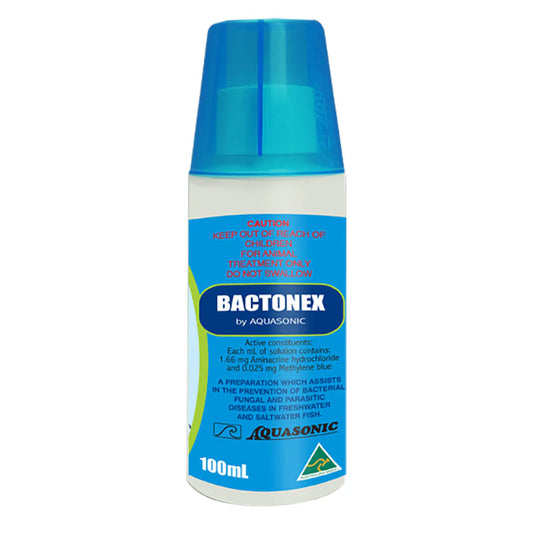
Aquasonic Bactonex 100ml Broad Spectrum Fish Treatment
Vendor:AquasonicRegular price $6.47 AUDRegular price -
Water Test Strips – 5 in 1
Vendor:APIRegular price $24.81 AUDRegular price$35.44 AUDSale price $24.81 AUDSale -
Blue Planet – Water Conditioner
Vendor:Blue PlanetRegular price From $9.19 AUDRegular price$13.13 AUDSale price From $9.19 AUDSale -
Pond Algae Control Block - Algae Prevention in Ponds
Vendor:Blue PlanetRegular price $10.11 AUDRegular price$14.44 AUDSale price $10.11 AUDSale -
 Sale
SaleBlue Planet – pH Up
Vendor:Blue PlanetRegular price From $8.27 AUDRegular price$11.81 AUDSale price From $8.27 AUDSale -
Blue Planet – pH Down
Vendor:Blue PlanetRegular price From $9.19 AUDRegular price$13.13 AUDSale price From $9.19 AUDSale -
Blue Planet – Betta Shield
Vendor:Blue PlanetRegular price $9.19 AUDRegular price$13.13 AUDSale price $9.19 AUDSale -
Blue Planet – Aquarium Algae Control Block
Vendor:Blue PlanetRegular price $7.35 AUDRegular price$10.50 AUDSale price $7.35 AUDSold out -
Blue Planet Fungus Cure Freshwater Fish Treatment
Vendor:Blue PlanetRegular price From $9.19 AUDRegular price$13.13 AUDSale price From $9.19 AUDSale -
AquaFish – Siamese Treatment Block
Vendor:AquaFishRegular price $56.96 AUDRegular price$81.38 AUDSale price $56.96 AUDSale -

 Sold out
AquaFish – Siamese Neutraliser Block
Vendor:AquaFishRegular price $56.96 AUDRegular price$81.38 AUDSale price $56.96 AUDSold out -

 Sale
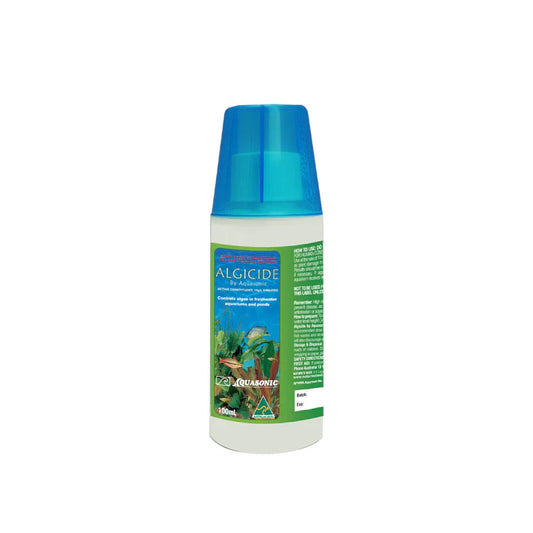
SaleAquasonic – Algicide
Vendor:AquasonicRegular price From $8.27 AUDRegular price$11.81 AUDSale price From $8.27 AUDSale -
Aquasonic Fungonex Fish Fungus Treatment
Vendor:AquasonicRegular price From $6.34 AUDRegular price$17.06 AUDSale price From $6.34 AUDSale -
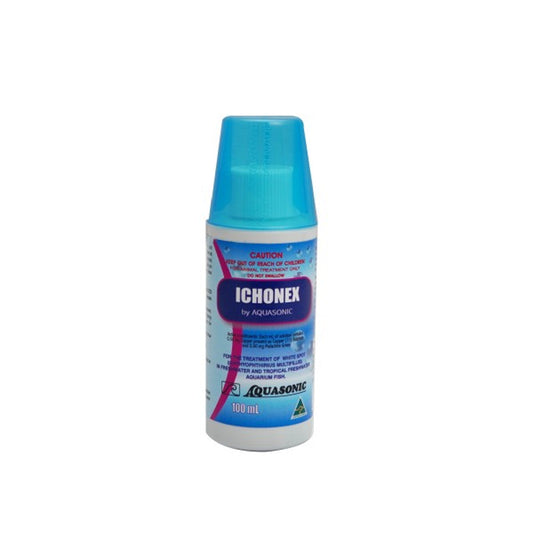
Aquasonic Ichonex White Spot Ich Treatment
Vendor:AquasonicRegular price From $7.35 AUDRegular price$10.50 AUDSale price From $7.35 AUDSold out







Water quality is what keeps fish alive, and almost every problem in a home aquarium traces back to it. Celeste Pets stocks water conditioners, test kits, bacterial starters, pH adjusters and disease treatments from API, Tetra, Aquasonic, Blue Planet and Sera, delivered anywhere in Australia with full tracking.
Start Here: The Nitrogen Cycle
If you understand one thing about keeping fish, make it this. Fish waste and uneaten food break down into ammonia, which is toxic to fish even at low levels. Beneficial bacteria that live in your filter media convert that ammonia into nitrite, which is also toxic, and a second group converts nitrite into nitrate, which is far less harmful and is removed by regular partial water changes.
A brand new aquarium has none of those bacteria yet. That is why fish added in the first week often sicken or die while the tank looks spotless, and it is the reason experienced keepers talk about cycling a tank before stocking it. Everything in this collection exists to support that cycle or to fix it when it goes wrong.
Water Conditioners and Dechlorinators
Australian tap water is treated with chlorine or chloramine. It is safe for people and lethal for fish, and it also kills the bacteria colony your filter depends on. A water conditioner neutralises chlorine and chloramine and usually binds heavy metals such as copper, lead and zinc as well.
Use it on every water change, not just when setting up. We stock Tetra AquaSafe, which adds protective colloids that support the fish's slime coat and gill membranes, API Stress Coat and API Tap Water Conditioner.
Bacterial Starters
A bacterial starter such as API Quick Start seeds your filter with live nitrifying bacteria, shortening the window where ammonia can build up faster than the tank can process it. It is most useful when setting up a new aquarium, after replacing filter media, after a medication course that knocked back the bacteria, or when adding several new fish at once.
Test Kits and Strips
When fish look unwell, testing the water is the first thing to do, not the last. Guessing costs fish. What the four core readings tell you:
- Ammonia should read zero. Anything above zero means the tank cannot process its waste load and fish are being burned by it.
- Nitrite should read zero. A reading here means the cycle is only half established.
- Nitrate is the end product and should be kept low through water changes.
- pH matters less for hitting a specific number than for staying stable. A steady pH slightly outside a species' ideal range is safer than one that swings.
We stock API liquid test kits, which are more accurate and cheaper per test over time, and Tetra EasyStrips 6 in 1 strips for fast weekly checks. Test a new tank every two or three days until ammonia and nitrite hold at zero, then weekly once established.
pH Adjusters
API pH Up and pH Down let you shift aquarium pH when a species genuinely needs it, such as rift lake cichlids in soft water or soft water species in hard tap water. Use them carefully. pH is easy to overcorrect, and a sudden swing stresses fish more than the original reading did. Adjust gradually, test as you go, and remember that substrate, rocks and driftwood all push pH in their own direction over time.
Disease Treatments
We stock treatments for the common freshwater problems: white spot with Aquasonic Ichonex, fungal infections with Aquasonic Fungonex and Blue Planet Fungus Cure, bacterial infections with Aquasonic Bactonex, API Melafix and Blue Planet Tri Sulfa, and parasites with Aquasonic Para-Gone.
Three things before you dose. Most outbreaks follow a stress event or a water quality problem, so treat the cause as well as the symptom. Many medications require carbon to be removed from the filter first, because carbon strips the active ingredient straight out of the water. And if you keep shrimp, snails or other invertebrates, check the label before dosing, since several treatments that are safe for fish are not safe for them.
Nothing here is a substitute for pack instructions. Always dose to the label.
A Simple Maintenance Routine
Weekly, test your water and do a partial water change of roughly 20 to 25 percent, conditioning the new water before it goes in. Vacuum the gravel while you are at it to lift the waste that would otherwise become ammonia. Rinse filter media in the old tank water you just removed rather than under the tap, because tap water kills the bacteria living in it. Replace media gradually rather than all at once, so the colony is never wiped out in one go.
Browse the full fish and aquarium range, or see our fish food collection, since overfeeding is the most common cause of the water problems this collection solves.
Frequently Asked Questions
How do I cycle a new aquarium?
Set the tank up, condition the water, and run the filter while the beneficial bacteria establish. A bacterial starter speeds this up. Add fish slowly and test ammonia and nitrite every couple of days. The tank is cycled when both read zero consistently and nitrate is present. Rushing this stage is the most common reason new tanks lose fish.
Why is my aquarium water cloudy?
Milky cloudiness in a new tank is usually a bacterial bloom, which often clears on its own as the cycle establishes. In an established tank it usually means overfeeding or an overloaded filter. Green cloudiness is an algae bloom, generally driven by too much light or excess nutrients. Test the water before treating anything.
How often should I change aquarium water?
Around 20 to 25 percent weekly suits most tanks. Always condition the new water first, and match its temperature to the tank to avoid shocking the fish. Larger, less frequent changes are harder on fish than small regular ones.
Is tap water safe for fish?
Not without treating it. Australian tap water contains chlorine or chloramine, which kills fish and destroys the bacteria in your filter. A water conditioner neutralises both and typically binds heavy metals too. Condition every bucket, including on routine water changes.
Do I need to remove carbon from my filter when medicating?
Usually yes. Activated carbon adsorbs medication straight out of the water, so treatment fails while you assume it is working. Check the label of the product you are using, remove the carbon for the treatment period, and add fresh carbon afterwards to clear residual medication.
What should my aquarium pH be?
It depends on the species, but stability matters more than the exact figure. Most community tropicals do well from around 6.5 to 7.5, while rift lake cichlids prefer harder, more alkaline water. A steady pH slightly outside the ideal range is safer than one that swings, so adjust slowly and test as you go.