
-
Tetra PRO Pleco Wafers Sinking Algae Wafers for Plecos
Vendor:TetraRegular price $15.90 AUDRegular price$23.63 AUDSale price $15.90 AUDSold out -
TetraVacation Tropical Slow Release Holiday Fish Feeder
Vendor:TetraRegular price $8.90 AUDRegular price$13.13 AUDSale price $8.90 AUDSale -
Sera Insect Granules Insect Protein Tropical Fish Food
Vendor:SeraRegular price From $10.11 AUDRegular price$14.44 AUDSale price From $10.11 AUDSale -
Tetra Goldfish Flakes Daily Goldfish Food
Vendor:TetraRegular price From $5.39 AUDRegular price$14.44 AUDSale price From $5.39 AUDSale -
Hikari Algae Wafers Sinking Pleco and Bottom Feeder Food
Vendor:HikariRegular price From $7.35 AUDRegular price$10.50 AUDSale price From $7.35 AUDSale -
Sera Immune Probiotic Granules Growth Food for Ornamental Fish
Vendor:SeraRegular price From $11.95 AUDRegular price$17.06 AUDSale price From $11.95 AUDSale -
Sera Vipagran Tropical Fish Granules
Vendor:SeraRegular price From $9.19 AUDRegular price$13.13 AUDSale price From $9.19 AUDSale -
Hikari Crab Cuisine Crustacean and Crab Food
Vendor:HikariRegular price $9.19 AUDRegular price$13.13 AUDSale price $9.19 AUDSale -
Sera Guppy Granules Colour Enhancing Guppy Food
Vendor:SeraRegular price From $12.86 AUDRegular price$18.38 AUDSale price From $12.86 AUDSale -
Hikari Sinking Wafers Bottom Feeder Fish Food
Vendor:HikariRegular price From $7.50 AUDRegular price$11.81 AUDSale price From $7.50 AUDSale -
Hikari Fancy Guppy Food
Vendor:HikariRegular price $9.90 AUDRegular price$15.75 AUDSale price $9.90 AUDSale -
Sera Holiday Tabs Slow Release Fish Food
Vendor:SeraRegular price $16.54 AUDRegular price$23.63 AUDSale price $16.54 AUDSale -
Hikari Vibra Bites Tropical Fish Food
Vendor:HikariRegular price From $9.55 AUDRegular price -
Sera San Colour Flakes Colour Enhancing Tropical Fish Food
Vendor:SeraRegular price From $17.46 AUDRegular price$24.94 AUDSale price From $17.46 AUDSale -
Sera Spirulina Tabs Sinking Tablet Food for Herbivorous Fish
Vendor:SeraRegular price $23.89 AUDRegular price$34.13 AUDSale price $23.89 AUDSale -
Sera Vipachips Tropical Wafers Sinking Bottom Feeder Food
Vendor:SeraRegular price From $11.95 AUDRegular price$17.06 AUDSale price From $11.95 AUDSale -
Sera Vipagran Baby Granules Fry Food for Juvenile Fish
Vendor:SeraRegular price $10.11 AUDRegular price$14.44 AUDSale price $10.11 AUDSale -
Sera Vipan Tropical Flakes Staple Community Fish Food
Vendor:SeraRegular price From $8.27 AUDRegular price$11.81 AUDSale price From $8.27 AUDSale -
Hikari Sinking Carnivore Pellets for Bottom Feeding Fish
Vendor:HikariRegular price $20.66 AUDRegular price -
Hikari Cichlid Bio-Gold Plus Colour Enhancing Cichlid Food
Vendor:HikariRegular price From $9.69 AUDRegular price -
Hikari Lionhead Mini Sinking Goldfish Food
Vendor:HikariRegular price $13.69 AUDRegular price -
Hikari Jumbo Carnisticks Large Carnivore Fish Food
Vendor:HikariRegular price $38.73 AUDRegular price -
Hikari Gold M Floating Koi and Pond Fish Food
Vendor:HikariRegular price $29.40 AUDRegular price -
Hikari Cichlid Excel Sinking Herbivore Cichlid Food
Vendor:HikariRegular price From $13.79 AUDRegular price$19.69 AUDSale price From $13.79 AUDSale


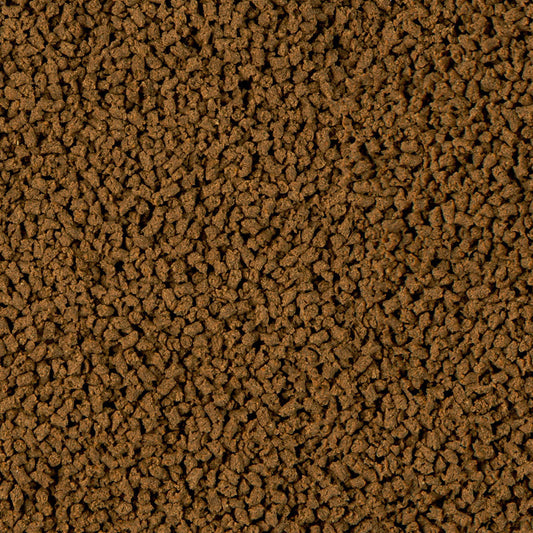


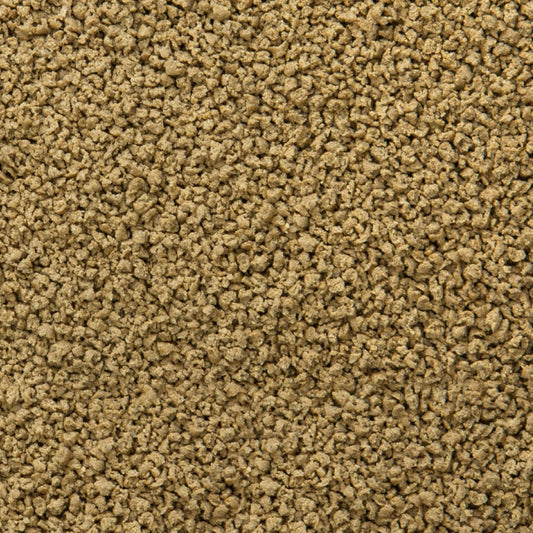

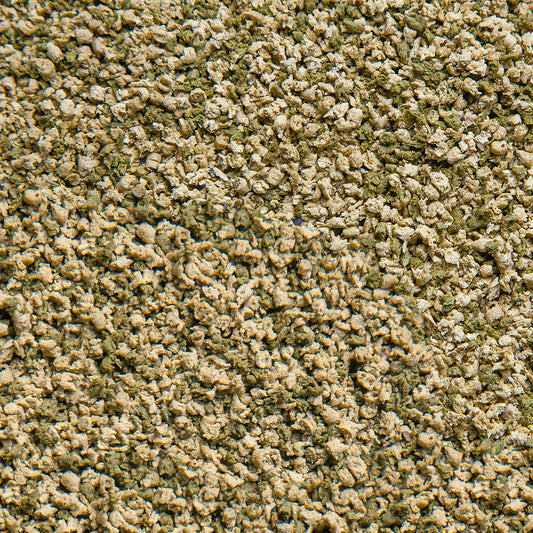


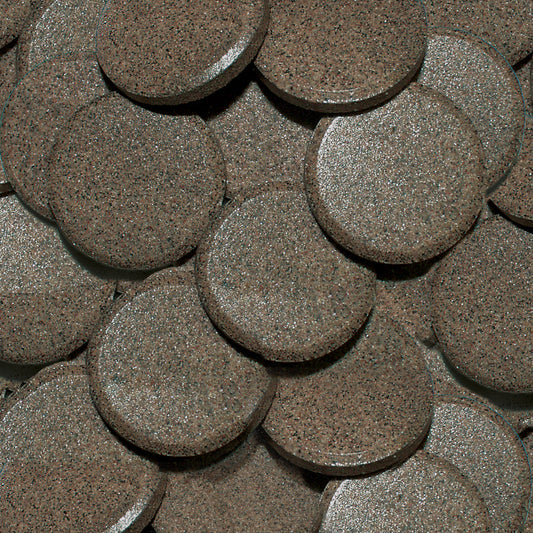


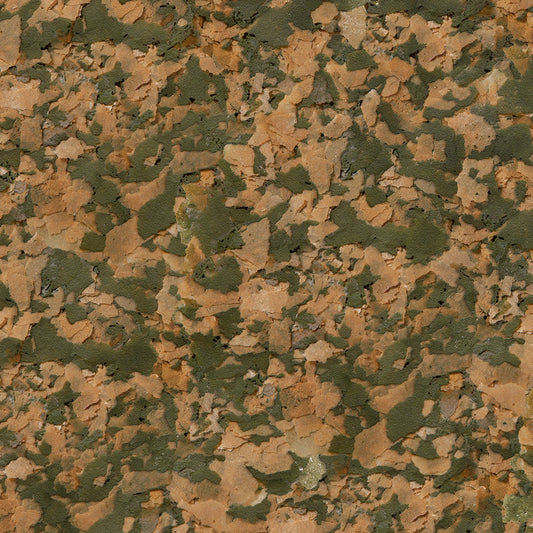

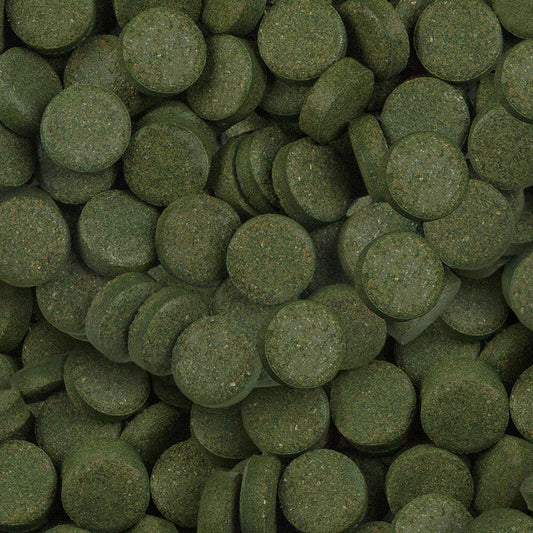

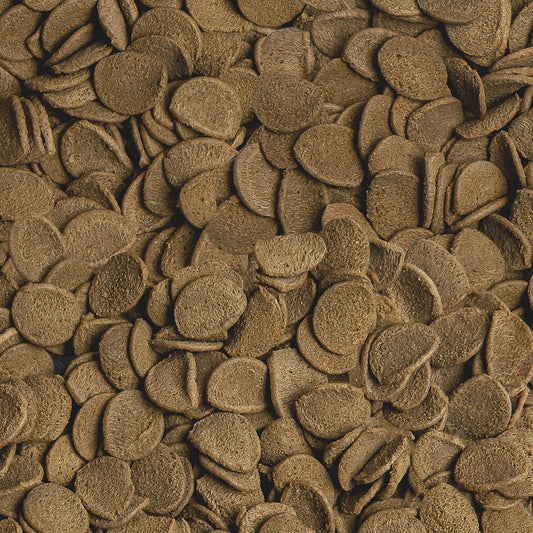

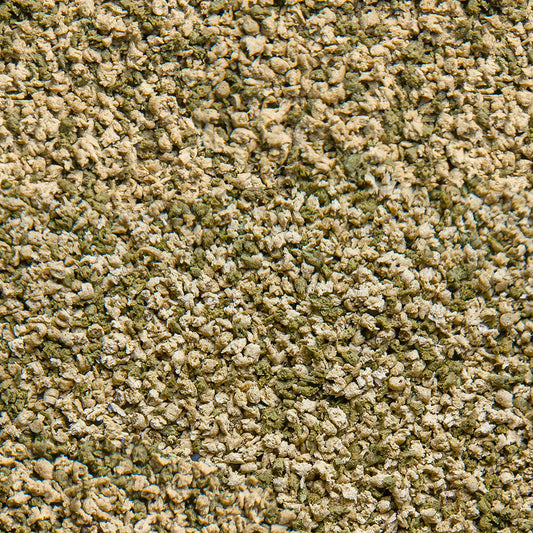



Celeste Pets stocks fish food for every species and every level of the tank, from Hikari, Tetra, Sera, Nutrafin and Feedwell. Betta pellets, goldfish flakes, cichlid pellets, pleco wafers, guppy granules, marine formulas, fry foods and holiday feeders, delivered anywhere in Australia with full tracking.
How to Choose the Right Fish Food
Two things decide whether a food actually works: the species it was formulated for, and where in the tank your fish feed. Get the second one wrong and the food never reaches the fish. A floating pellet is useless to a bristlenose grazing on the substrate, and a fast sinking wafer is gone before a betta at the surface ever notices it. Uneaten food then breaks down into ammonia, so the wrong food costs you water quality as well as money.
Floating Foods for Surface Feeders
Bettas, guppies, koi and most top feeding fish take food from the surface. Floating pellets and granules stay there long enough to be eaten and let you see exactly how much is going in, which makes portioning far easier in small tanks and bowls where overfeeding shows up fast.
Slow Sinking Flakes and Granules for Community Fish
Tetras, rasboras, barbs, danios and most community tropicals feed in the middle of the water column as food drifts down. Flakes and micro granules suit them because they descend slowly and spread through the tank, giving shy fish a fair chance before bolder ones clear the surface.
Sinking Wafers, Chips and Tablets for Bottom Feeders
Plecos, bristlenose, corydoras, loaches and shrimp feed on the floor of the tank. They need food that sinks fast and holds together long enough to be grazed rather than dissolving on the way down. This is the single most common gap in a home aquarium: an owner feeds generously, the surface fish take everything, and the bottom feeders slowly starve in a tank that looks well fed.
Fish Food by Species
Betta Food
Bettas are carnivores with small stomachs and need a protein rich food in a pellet small enough to swallow. Hikari Betta Bio-Gold and Tetra Betta granules are formulated specifically for bettas rather than sold as a generic tropical food, which matters because a betta fed flake often refuses it or takes in air at the surface.
Goldfish Food
Goldfish need less protein and more carbohydrate than tropical fish, and fancy varieties such as lionheads and ranchus benefit from sinking food, which reduces the air gulped at the surface. We stock Hikari goldfish diets, Tetra goldfish flakes and Feedwell bulk goldfish flakes for larger tanks and ponds.
Cichlid Food
Cichlids split into carnivores and herbivores, and feeding the wrong one causes real digestive trouble. Hikari Cichlid Gold suits carnivorous and omnivorous species, Cichlid Excel is built for herbivorous and plant eating cichlids, and Cichlid Staple works as an everyday diet. Sinking and floating versions let you match the food to how your species feeds.
Pleco and Algae Eater Food
Plecos and bristlenose are grazers that need vegetable matter and fibre, not the protein in a standard community flake. Hikari Algae Wafers, Sera Pleco Chips and Tetra Pleco Wafers sink quickly and hold shape long enough to be worked on through the night, when these fish naturally feed.
Guppy and Livebearer Food
Guppies, platies, mollies and swordtails are surface and mid water feeders with small mouths. Fine flakes and micro granules such as Sera Guppy Granules and Hikari Fancy Guppy suit them better than a large pellet.
Discus, Marine and Specialty Diets
Discus have particular dietary needs and their own formulations. Marine fish need food built around their requirements rather than a freshwater diet. We also stock crustacean food for crabs and shrimp, and colour enhancing formulas for fish whose colour you want to bring out.
Fry and Baby Fish Food
Fry usually die from particle size rather than nutrition, because they physically cannot take in adult food. Fine foods such as Hikari First Bites and Sera Vipagran Baby are ground small enough to be eaten from the first days of free swimming.
Holiday Feeders
Slow dissolving feeder blocks such as Sera Holiday Tabs, TetraVacation and the Nutrafin slow dissolving feeder release food gradually over several days so a tank can be left while you are away. They are designed for short absences, not as a daily diet, and it is worth testing one before you travel so you know how quickly it breaks down in your own tank.
How Much to Feed
Feed only what your fish finish in about two minutes, once or twice a day. Anything left over decays and raises ammonia, which is the leading cause of cloudy water, algae blooms and stressed fish. Most aquariums are overfed rather than underfed. Fry and juveniles are the exception and need small feeds more often.
Browse the full fish and aquarium range, or see our water care and treatment products to keep conditions right between feeds.
Frequently Asked Questions
What is the best food for betta fish?
A betta specific floating pellet with high protein and a small particle size. Bettas are carnivores that feed at the surface, so a pellet formulated for them is taken more readily than a general tropical flake. Feed only a few pellets at a time, as bettas have very small stomachs.
What food do plecos and bristlenose eat?
Sinking algae wafers, chips or tablets with vegetable matter and fibre. Plecos graze on the bottom, usually at night, so the food has to sink quickly and stay intact long enough for them to work on it. A floating flake will never reach them.
Can I feed all my fish the same food?
Only if they all feed at the same level and have similar diets, which is uncommon in a mixed tank. A community aquarium with surface feeders and bottom feeders needs at least two foods, otherwise the fish at the bottom go hungry while the surface fish are overfed.
How long can fish go without food?
Most healthy adult fish tolerate a few days without feeding, and a short break does less harm than overfeeding. For longer absences a slow release holiday feeder block is the safer option. Fry and very small species need feeding far more regularly.
Does fish food expire?
Yes. Vitamins degrade after opening, particularly vitamin C, so buy a pack size you will finish in a few months rather than the largest tub available. Keep it sealed, dry and out of direct sunlight, and avoid wet hands in the container.
Why is my fish food making the water cloudy?
Almost always overfeeding. Uneaten food breaks down and feeds a bacterial bloom, which is what turns the water milky. Cut back to what the fish clear in two minutes, remove any leftovers, and test ammonia to check the tank is keeping up.