
-
Tonka – Tri Stack Feeder
Vendor:TonkaRegular price From $20.99 AUDRegular price$28.88 AUDSale price From $20.99 AUDSale -
Tonka – Diamond Plate Feeder
Vendor:TonkaRegular price $19.99 AUDRegular price$28.88 AUDSale price $19.99 AUDSale -
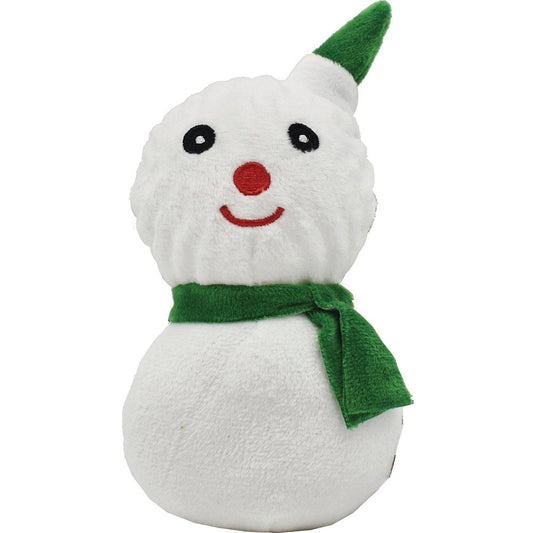
Dogs Christmas Holiday – Snowman Toy
Vendor:Snuggle PalsRegular price $14.50 AUDRegular price$18.38 AUDSale price $14.50 AUDSale -
Christmas Holiday – Koala Dog toy
Vendor:Snuggle PalsRegular price $17.46 AUDRegular price$24.94 AUDSale price $17.46 AUDSale -
Resploot – Sumatran Orangutan Dog Toy
Vendor:ResplootRegular price $13.00 AUDRegular price$15.75 AUDSale price $13.00 AUDSale -
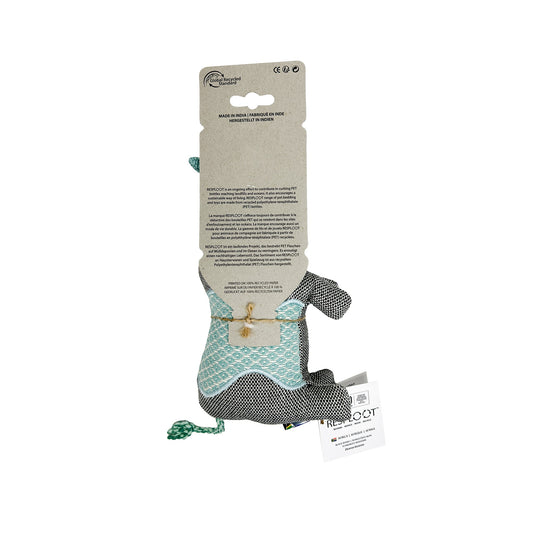
Resploot – Red Panda Dog Toy
Vendor:ResplootRegular price $13.00 AUDRegular price$15.75 AUDSale price $13.00 AUDSale -
 Sold out
Resploot – Hawksbill Turtle Dog Toy
Vendor:ResplootRegular price $13.00 AUDRegular price$15.75 AUDSale price $13.00 AUDSold out -
Resploot – Ganges Dolphin
Vendor:ResplootRegular price $13.00 AUDRegular price$14.44 AUDSale price $13.00 AUDSale -
Resploot – Black Rhino
Vendor:ResplootRegular price $13.00 AUDRegular price$15.75 AUDSale price $13.00 AUDSale -
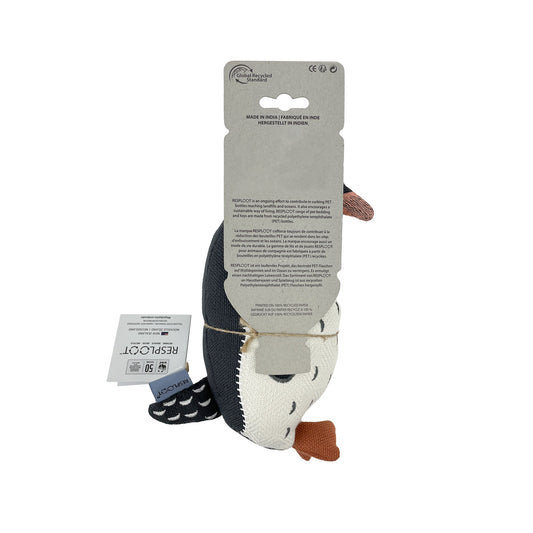
Resploot – Yellow Eyed Penguin
Vendor:ResplootRegular price $13.00 AUDRegular price$18.38 AUDSale price $13.00 AUDSale -
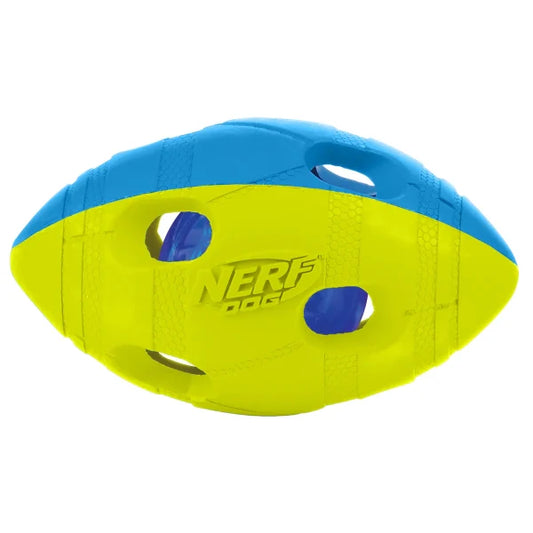
NERF DOG – LED Football
Vendor:Nerf DogRegular price $15.00 AUDRegular price$27.56 AUDSale price $15.00 AUDSale -
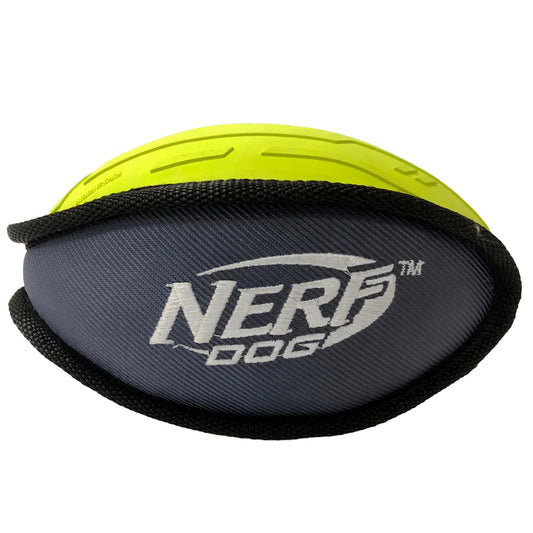
NERF DOG – Rubber/Nylon Plush Football
Vendor:Nerf DogRegular price $17.00 AUDRegular price$28.88 AUDSale price $17.00 AUDSale -
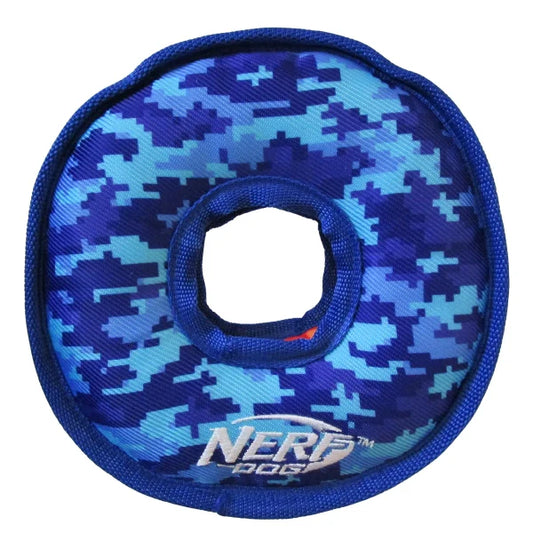
NERF DOG – Toss & Tugg Ring
Vendor:Nerf DogRegular price $15.62 AUDRegular price$22.31 AUDSale price $15.62 AUDSale -
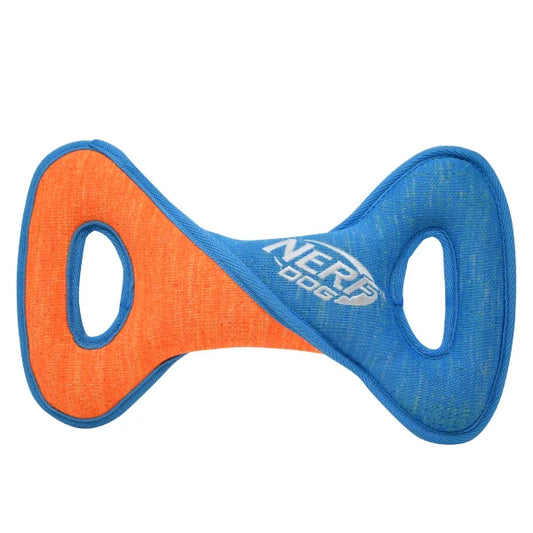
NERF DOG – X-Weave Infinity Twist Tug
Vendor:Nerf DogRegular price $19.50 AUDRegular price$31.50 AUDSale price $19.50 AUDSale -
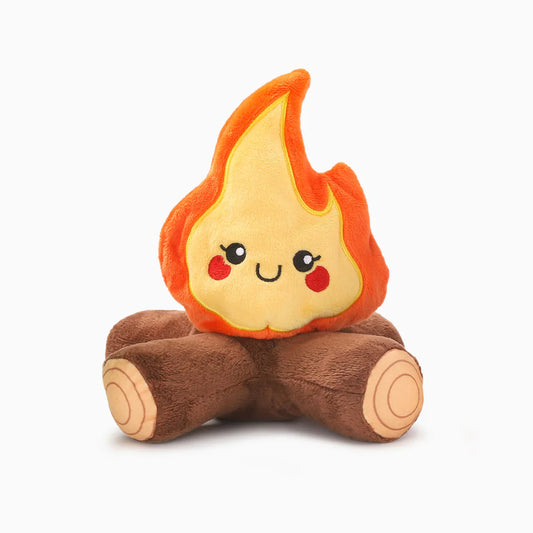
Hugsmart Camping Pups Campfire Dog Toy
Vendor:HugsmartRegular price $11.03 AUDRegular price$15.75 AUDSale price $11.03 AUDSale -
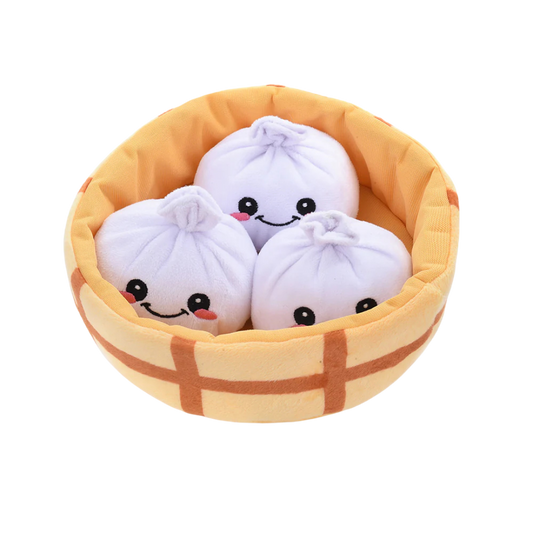
Hugsmart Food Party Soup Dumplings Dog Toy Set
Vendor:HugsmartRegular price $15.62 AUDRegular price$22.31 AUDSale price $15.62 AUDSale -
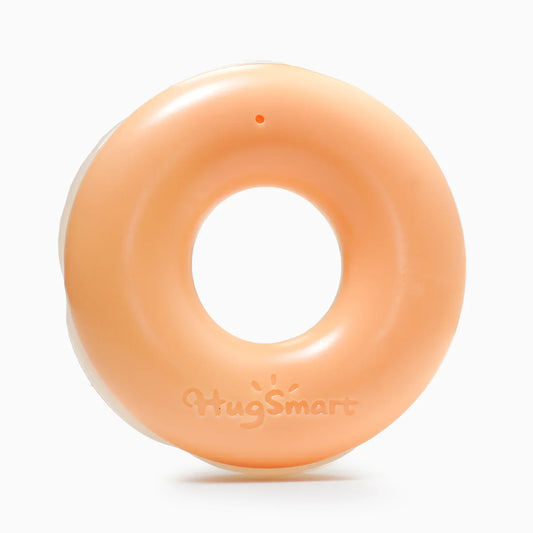
Hugsmart Yappy Birthday TPR Donut Dog Chew Toy with Sweet Scent
Vendor:HugsmartRegular price $9.19 AUDRegular price$13.13 AUDSale price $9.19 AUDSale -
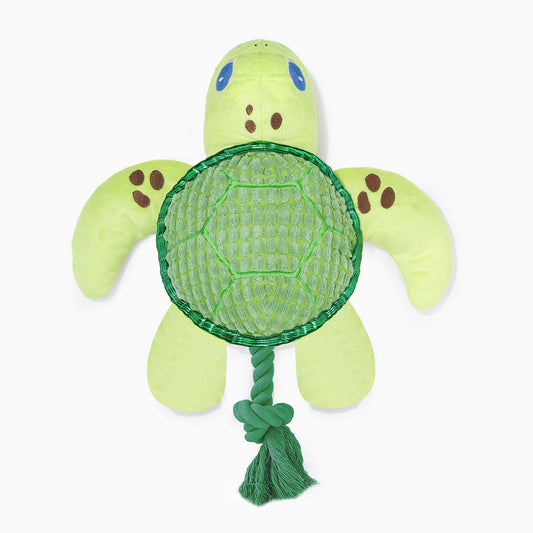
Hugsmart Ocean Pals Sea Turtle Dog Toy – Plush & Rope
Vendor:HugsmartRegular price $12.86 AUDRegular price$18.38 AUDSale price $12.86 AUDSale -
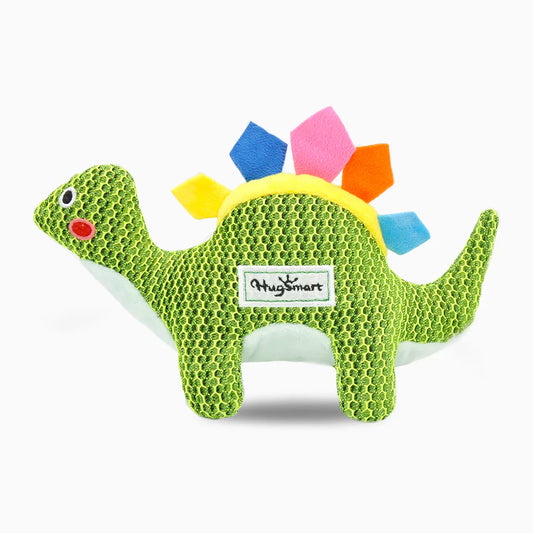
Hugsmart – Dinosaur Land – Stego Dog Toy
Vendor:HugsmartRegular price $9.99 AUDRegular price$15.75 AUDSale price $9.99 AUDSold out -
Hugsmart – Zoo Ball – Super Ball Alpaca
Vendor:HugsmartRegular price $11.03 AUDRegular price$15.75 AUDSale price $11.03 AUDSale -
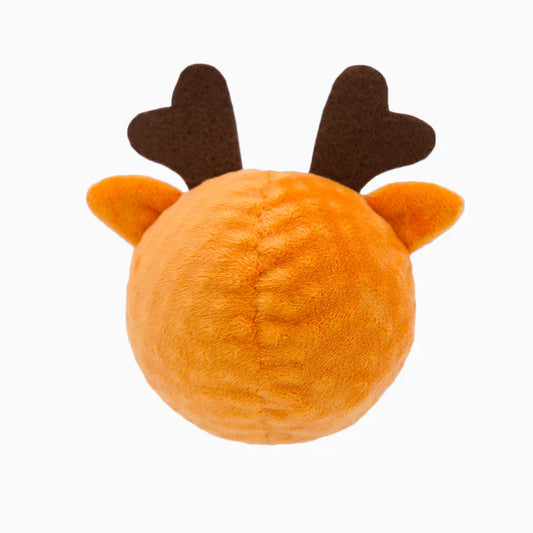
Happy Woofmas – Super Ball Reindeer Dog Toy
Vendor:HugsmartRegular price $11.03 AUDRegular price$15.75 AUDSale price $11.03 AUDSale -
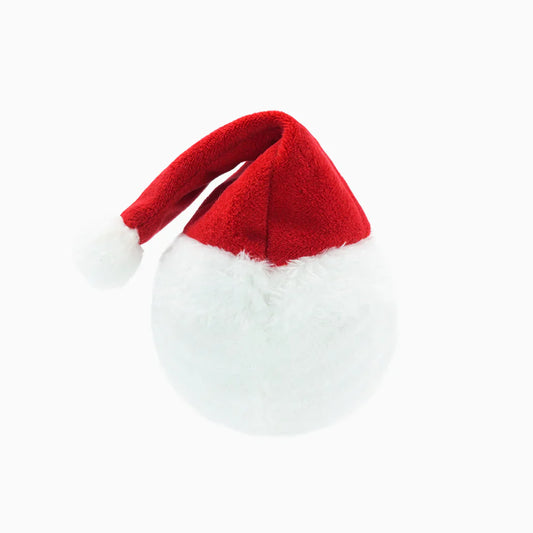
Happy Woofmas – Super Ball Santa Dog Toy
Vendor:HugsmartRegular price $11.03 AUDRegular price$15.75 AUDSale price $11.03 AUDSale -
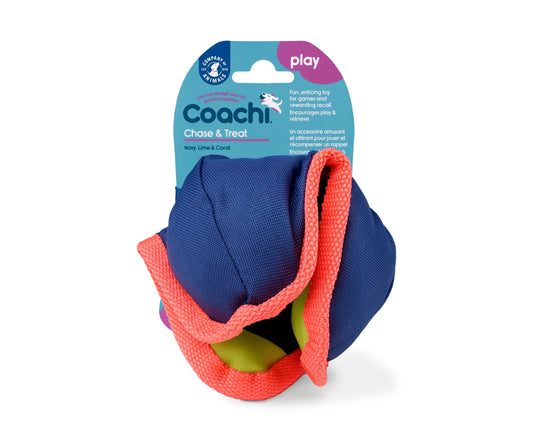
Company of Animals – Coachi – Chase & Treat
Vendor:Company of AnimalsRegular price $14.70 AUDRegular price$21.00 AUDSale price $14.70 AUDSale -
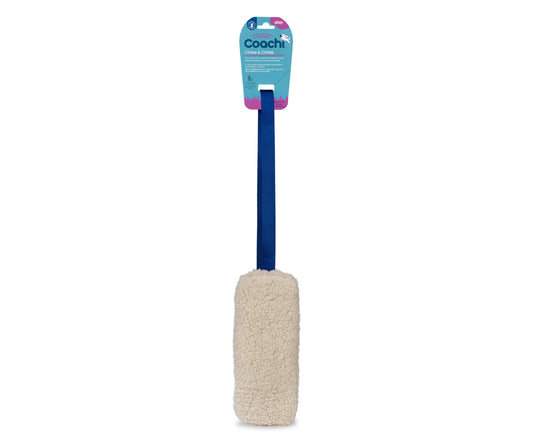
Company of Animals – Coachi – Chase & Crinkle
Vendor:Company of AnimalsRegular price $14.70 AUDRegular price$21.00 AUDSale price $14.70 AUDSale























Interactive and enrichment toys for dogs from KONG, Outward Hound, Starmark, GiGwi, Nerf Dog and Petstages. Puzzle feeders, treat dispensing toys and problem solving games, delivered anywhere in Australia with full tracking.
Mental Work Tires a Dog Faster Than Walking
Ask anyone who has tried to wear out a young kelpie with a longer walk. The dog comes home fitter, not calmer, and you have spent an hour to get there. Twenty minutes of problem solving does more, because thinking is genuinely tiring in a way that trotting is not.
That makes this the most useful category in the shop for three particular situations. The high energy dog belonging to someone who does not have three hours a day. The dog on crate rest or restricted exercise after surgery, who still has a brain that needs occupying. And the dog who finds being left alone difficult, where a stuffed toy at the moment you leave changes what the departure means.
What the Different Types Actually Do
Treat dispensing toys are hollow and get stuffed with food, then release it slowly as the dog works at them. These are the workhorses of the category. A stuffed toy you can freeze turns fifteen seconds of eating into forty minutes of licking and chewing, and licking in particular is a self soothing behaviour for dogs.
Puzzle feeders and sliders ask the dog to move a part to get the reward: lift a flap, spin a disc, slide a cover. These are graded by difficulty, and the difficulty rating matters more than people expect.
Slow feeder bowls and maze bowls address a different problem. A dog that inhales a meal in twenty seconds swallows air with it, and for deep chested breeds that is worth avoiding. Spreading a meal over several minutes is better digestion and a small amount of free enrichment at the same time.
Snuffle and foraging toys hide food in fabric folds so the dog has to use its nose. Scent work is quietly exhausting and suits older or less mobile dogs who cannot run but can still sniff.
Start Easier Than You Think
The most common way enrichment fails is that the first puzzle is too hard. A dog that tries a toy, cannot solve it, and walks away has learned that the toy is not worth bothering with, and getting that back is harder than starting correctly.
Begin with the reward barely hidden so the dog wins almost immediately, then make it progressively harder as they get the idea. With a stuffable toy, start with something soft and easy to lick out before you move to a tightly packed frozen one. Confidence first, difficulty second.
A Few Practical Notes
Count the food. Whatever goes into a puzzle toy should come out of the daily ration, or enrichment quietly becomes a weight problem over a few months.
Supervise, particularly at the start. Some dogs try to solve a puzzle by destroying it, and a dog that chews through a plastic puzzle can swallow pieces. If yours is that dog, a tough rubber stuffable toy is a better fit than a plastic puzzle board.
Wash them. Anything that holds food needs regular cleaning, and stuffable rubber toys in particular hold residue in places you cannot see.
One honest limit: enrichment toys help a dog that struggles when left alone, but they are not a treatment for separation anxiety. True separation anxiety is a behavioural condition and needs a vet or a qualified behaviourist. A toy makes the first ten minutes better, and that is worth having, but it does not resolve the underlying panic.
Compare with the chew toy range if your dog needs a jaw outlet rather than a mental one, or browse every toy we stock.
Frequently Asked Questions
Do puzzle toys really tire a dog out?
Yes, and faster than the equivalent time spent walking. Problem solving and scent work are mentally demanding, so twenty minutes of a puzzle often settles a dog more effectively than an extra lap of the park. It is the best return on time available to most owners.
What should I stuff a treat dispensing toy with?
Some of the dog's normal food works well, softened or mixed with something that binds it. Freezing a stuffed toy makes it last considerably longer and adds a soothing licking element. Whatever you use, subtract it from the daily food allowance rather than adding it on top.
My dog gives up on puzzle toys. What am I doing wrong?
The first puzzle was probably too hard. Make it almost too easy so the dog succeeds immediately, then increase difficulty gradually. A dog that fails at a toy early decides it is not worth the effort, and rebuilding that interest takes longer than starting easy would have.
Will an interactive toy fix my dog's separation anxiety?
No. It genuinely helps with mild distress and boredom when left alone, and it changes the emotional association with you leaving, which is worth doing. But separation anxiety proper is a behavioural condition that needs a vet or a qualified behaviourist. A toy is a useful part of a plan, not the plan.
Are puzzle toys safe to leave a dog alone with?
Depends on the toy and the dog. A tough rubber stuffable toy is generally fine unsupervised once you know how your dog treats it. Plastic puzzle boards with removable parts are not, since a dog that decides to chew rather than solve can swallow pieces. Watch first, then decide.